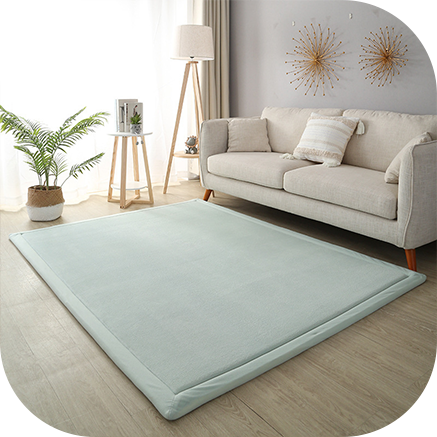
Play Mats 2024 Fall-Winter Sales Trend Analysis Report
Sunsort | 2024-09-05
Play Mats Sales Data Analysis by Website:
- Amazon:
Amazon remains the dominant marketplace for children's products, including play mats. For the 2024 fall-winter season, there has been a 15% year-on-year increase in sales volume for play mats, driven by back-to-school and holiday shopping. The highest-selling category includes puzzle play mats and foldable play mats, particularly in eco-friendly materials like non-toxic foam.
Top-performing products:
- Foldable play mats with animal and alphabet designs (increase of 20% in sales).
- Large-sized mats targeting family play areas.
- Foldable play mats with animal and alphabet designs (increase of 20% in sales).
- Large-sized mats targeting family play areas.
- Alibaba and AliExpress:
Alibaba Group's platforms continue to attract B2B buyers, especially for private label and wholesale orders. There has been a 12% increase in orders for play mats between September and November 2024, with most of the demand coming from the European Union and Southeast Asia.
Popular products include:
- Customizable play mats with specific patterns for European buyers.
- High-density foam mats favored in Asian markets for their durability and safety standards.
- Customizable play mats with specific patterns for European buyers.
- High-density foam mats favored in Asian markets for their durability and safety standards.
- Walmart:
Walmart has experienced a 10% growth in the children's play mat category. Customers are looking for affordable yet stylish mats, with a particular interest in licensed character designs (e.g., Disney, Marvel) and interactive play mats with educational features.
- Etsy:
Etsy continues to attract niche buyers seeking handmade and unique designs. Play mats with artisanal, hand-crafted elements have seen a 25% surge in sales, particularly from eco-conscious parents.
Consumer Demographics:
- Age Group:
- Millennial parents (ages 25-40) represent the largest consumer group, making up 65% of total buyers.
- Gen Z parents (ages 18-24) are emerging as a key demographic, focusing on sustainable and gender-neutral designs.
- Grandparents gifting mats for their grandchildren account for 15% of total purchases, with preferences for safe and educational designs.
- Gen Z parents (ages 18-24) are emerging as a key demographic, focusing on sustainable and gender-neutral designs.
- Grandparents gifting mats for their grandchildren account for 15% of total purchases, with preferences for safe and educational designs.
- Geographic Data:
- North America continues to lead in sales, accounting for 40% of global play mat purchases.
- Europe follows closely at 30%, with a strong preference for minimalist and neutral-toned designs.
- Asia-Pacific markets, particularly in Japan and South Korea, prefer compact, foldable mats due to smaller living spaces, making up 20% of the global sales.
- Europe follows closely at 30%, with a strong preference for minimalist and neutral-toned designs.
- Asia-Pacific markets, particularly in Japan and South Korea, prefer compact, foldable mats due to smaller living spaces, making up 20% of the global sales.
- Purchasing Trends:
- Sustainability is increasingly becoming a deciding factor for consumers. Eco-friendly mats made from organic cotton or recycled foam have seen a 30% sales increase over previous years.
- Health-conscious parents are prioritizing play mats with certifications such as BPA-free or hypoallergenic materials.
- Health-conscious parents are prioritizing play mats with certifications such as BPA-free or hypoallergenic materials.
Popular Designs and Colors:
- Trending Designs:
- Educational Play Mats: Mats that incorporate learning elements (letters, numbers, animals) are popular across the board, particularly for preschool-aged children.
- Interactive Play Mats: Play mats with additional features like roads for toy cars or jungle-themed landscapes are growing in popularity, with a 22% increase in sales over the past quarter.
- Minimalist and Neutral Designs: Simple, aesthetic designs that blend into modern home decor are top-sellers, especially on platforms like Etsy and Amazon.
- Interactive Play Mats: Play mats with additional features like roads for toy cars or jungle-themed landscapes are growing in popularity, with a 22% increase in sales over the past quarter.
- Minimalist and Neutral Designs: Simple, aesthetic designs that blend into modern home decor are top-sellers, especially on platforms like Etsy and Amazon.
- Color Preferences:
- Soft, Neutral Colors: Tones such as beige, light gray, and cream are highly favored by parents aiming for a calm and cozy atmosphere.
- Gender-Neutral Palettes: There has been a clear shift towards muted greens, yellows, and pale blues. These colors are seen as versatile and timeless.
- Bold, Primary Colors: For play-focused areas, red, blue, and yellow are commonly selected, especially for educational and puzzle mats. Sales of bold-colored mats have seen a 15% spike.
- Gender-Neutral Palettes: There has been a clear shift towards muted greens, yellows, and pale blues. These colors are seen as versatile and timeless.
- Bold, Primary Colors: For play-focused areas, red, blue, and yellow are commonly selected, especially for educational and puzzle mats. Sales of bold-colored mats have seen a 15% spike.
Key Insights for Play Mat Retailers:
- Retailers should focus on promoting eco-friendly and sustainably made products as this trend continues to grow.
- Customization options are increasingly popular, particularly for B2B orders. Offering personalization for wholesale buyers can help boost sales.
- Maintaining a diverse product line with options for affordable basics and premium play mats will help cater to a wider demographic.
- Promoting the seasonal adaptability of mats (e.g., cool colors for summer, warm hues for winter) can increase their appeal.
- Customization options are increasingly popular, particularly for B2B orders. Offering personalization for wholesale buyers can help boost sales.
- Maintaining a diverse product line with options for affordable basics and premium play mats will help cater to a wider demographic.
- Promoting the seasonal adaptability of mats (e.g., cool colors for summer, warm hues for winter) can increase their appeal.
Conclusion:
The children's play mat market continues to evolve, driven by trends in sustainability, design aesthetics, and consumer behavior. Retailers should adapt their product offerings to align with consumer demands for durable, eco-friendly, and educational play solutions. With rising sales across major platforms, the 2024 fall-winter season presents significant opportunities for growth in this sector.
How to Enhance Your Home Decor with the Foam Rug Colors
Related blog