 EN

What Should Buyers Know Before Ordering Living Room Rugs?
2026/11/02
Struggling to choose the right living room rugs? Avoid costly mistakes with expert insights on size, material, durability, style & care. Get your perfect rug.
Daily tension accumulates in your neck, shoulders, back, and feet without warning. Whether from desk work, stress, or physical strain, this tightness affects your productivity and well-being. Many people search for natural, non-invasive ways to release this tension at home. An acupressure mat for relaxation offers a simple, accessible solution that works with your body's natural healing response.
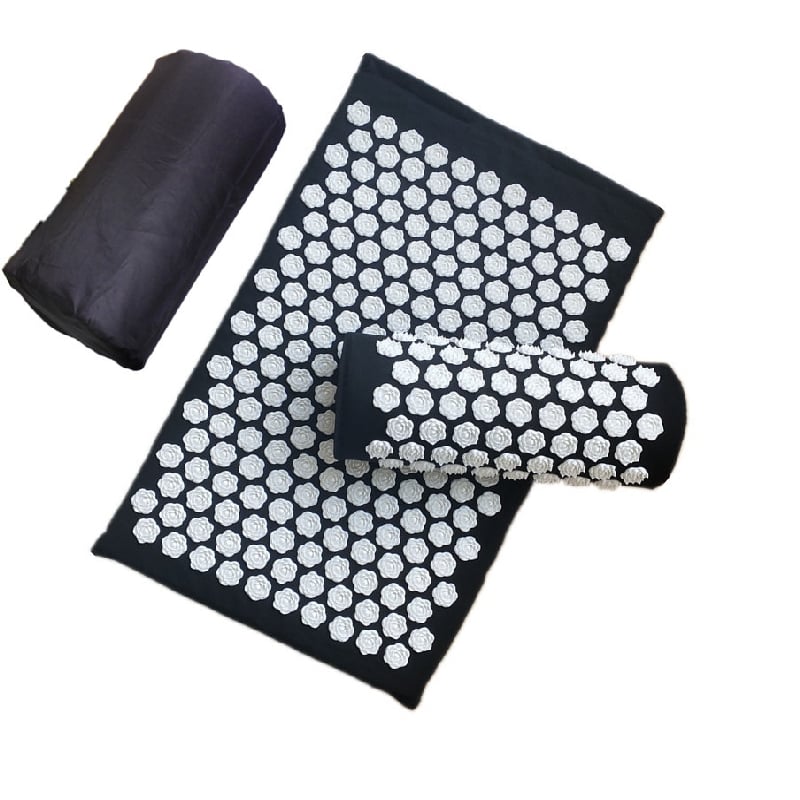
The answer is yes. An acupressure mat works by stimulating thousands of pressure points across your body, triggering your parasympathetic nervous system and promoting deep relaxation. This ancient principle, grounded in traditional wellness practices, is now backed by modern users seeking chemical-free tension relief. Understanding how pressure point texture activates these benefits helps you make an informed decision about whether this tool belongs in your daily relaxation techniques routine.
Your body contains thousands of pressure points linked to different organs and systems. When you lie on an acupressure mat routine, the mat's plastic spikes stimulate these pressure points simultaneously, sending signals that calm your nervous system. This activation triggers endorphin release, your body's natural feel-good chemical. For an acupressure mat for beginners, this mechanism requires no special skill or knowledge—simply lying on the mat does the work for you.
The mat pressure point texture is precisely engineered to provide consistent stimulation without causing pain. The spikes distribute pressure evenly across contact areas, preventing sharp or uncomfortable sensations. Most mats include between 6,000 and 8,000 pressure points arranged in a grid pattern. This design ensures that whether you're new to acupressure or experienced, the mat pressure point texture delivers benefits from your very first session.
For beginners, starting with 10 to 15 minutes is ideal. Your acupressure mat routine can begin with just three sessions weekly, allowing your body to adjust gradually. As your tolerance increases, you can extend sessions to 20 to 30 minutes and use the mat daily. This gradual approach prevents overstimulation while building your body's positive response to the mat pressure point texture over time.
Daily relaxation techniques extend beyond lying flat on your mat. Target specific areas like your lower back by placing the mat under your lumbar spine while seated or lying down. Your neck and shoulders respond well to positioning the mat higher on your spine. For feet, some mats include a dedicated foot roller that applies pressure point stimulation exactly where tension collects from standing and walking. An acupressure mat routine that targets multiple body areas in sequence amplifies overall relaxation benefits.
Morning sessions energize your body and improve circulation throughout the day. Evening sessions signal your body to wind down, improving sleep quality. Afternoon use during a work break interrupts stress cycles, preventing tension from accumulating. The beauty of daily relaxation techniques with your mat is flexibility—use it whenever your body signals tension needs relief, making it a cornerstone of your stress management system.
Your acupressure mat routine becomes exponentially more effective when paired with intentional breathing and mindfulness. As you lie on the mat pressure point texture, practice slow, deep breathing: inhale for four counts, hold for four, exhale for six. This rhythm activates your parasympathetic nervous system while the mat stimulates pressure points simultaneously. Adding meditation or guided visualization during your session deepens the relaxation response, turning a simple mat experience into a comprehensive wellness practice.
Users report significant tension release in their neck, shoulders, and lower back after consistent acupressure mat for beginners use. The mat pressure point texture activates blood flow to tight muscles, reducing stiffness and discomfort. Many incorporate an acupressure mat routine into evening wind-down, experiencing improved sleep quality within two weeks of regular use. This makes the mat valuable for anyone managing daily stress or wrestling with tension-related sleep disruption. Daily relaxation techniques using the mat contribute measurably to overall wellness without medications or invasive treatments.
Office workers, athletes recovering from training, individuals with chronic tension, and anyone exploring daily relaxation techniques find genuine value in an acupressure mat for relaxation. The mat works especially well for people seeking natural alternatives to massage therapy or pain management. Those with fibromyalgia, arthritis, or general muscle tightness benefit from regular acupressure mat routine practice. The mat pressure point texture provides consistent, affordable support available whenever needed, making it accessible across different lifestyles and budgets.
An acupressure mat for beginners is not a medical device or substitute for professional treatment of serious conditions. However, daily relaxation techniques using the mat support overall wellness and complement other therapies. Avoid use over open wounds, severe inflammation, or during pregnancy without consulting a healthcare provider. The mat pressure point texture should feel stimulating but never painful. Listen to your body, start gradually, and adjust your acupressure mat routine based on your comfort level and response.
Most users notice initial relaxation benefits within the first session, though pronounced tension relief and improved sleep typically develop after two to three weeks of consistent daily relaxation techniques. Your acupressure mat for beginners works progressively as your body adapts to the mat pressure point texture stimulation. Regular use amplifies benefits, making it essential to build this into your daily routine rather than expecting overnight transformation.
Yes, an acupressure mat for relaxation is designed for daily use once you've completed the beginner adaptation period. Your acupressure mat routine can extend to 20 to 30 minutes daily without adverse effects. The mat pressure point texture is engineered for safe, repeated stimulation. However, if you experience soreness or skin irritation, reduce frequency and duration until your body acclimates fully.
An acupressure mat for relaxation offers complementary benefits rather than a complete replacement for therapeutic massage. Daily relaxation techniques using the mat provide consistent, affordable self-care that supports overall wellness. Professional massage addresses specific injuries and provides personalized treatment. Your acupressure mat routine works best as part of a comprehensive wellness approach that may include professional therapy, exercise, and stress management practices.

2026/11/02
Struggling to choose the right living room rugs? Avoid costly mistakes with expert insights on size, material, durability, style & care. Get your perfect rug.

2026/11/03
Worried about infant falls during crawling? Discover how cushioned baby play mats absorb impact, and support motor development. Get expert safety tips now.

2026/11/04
Struggling with messy spills and tummy time needs? Discover waterproof, sensory, and tummy-time-optimized play mat surface. Compare materials now.

2026/11/05
Can a kids play mat reduce noise? Discover how thickness, foam density & full coverage deliver real acoustic relief. Get the guide.

2026/11/06
Why do kids slip on tile, laminate & polished wood? Discover how premium non-slip play mats anchor securely AND absorb impact. Boost safety.

2026/11/09
Tired of scrubbing stains and battling odors? Discover the 5 key kids play mat features—waterproof surfaces, washable covers, non-slip grip. See what makes maintenance effortless.

