 EN

What Should Buyers Know Before Ordering Living Room Rugs?
2026/11/02
Struggling to choose the right living room rugs? Avoid costly mistakes with expert insights on size, material, durability, style & care. Get your perfect rug.
Custom rugs serve as versatile design anchors that transform living spaces into cohesive, intentional environments. Whether your home reflects contemporary minimalism, classic elegance, or eclectic artistry, custom rugs provide the flexibility to align with your specific aesthetic vision. Unlike mass-produced flooring solutions, personalized rugs allow homeowners and designers to control color palettes, patterns, textures, and dimensions that complement existing furnishings and architectural elements. This article explores how custom rugs function as design bridges across diverse decoration styles, enabling spaces to achieve visual harmony and personal expression simultaneously.
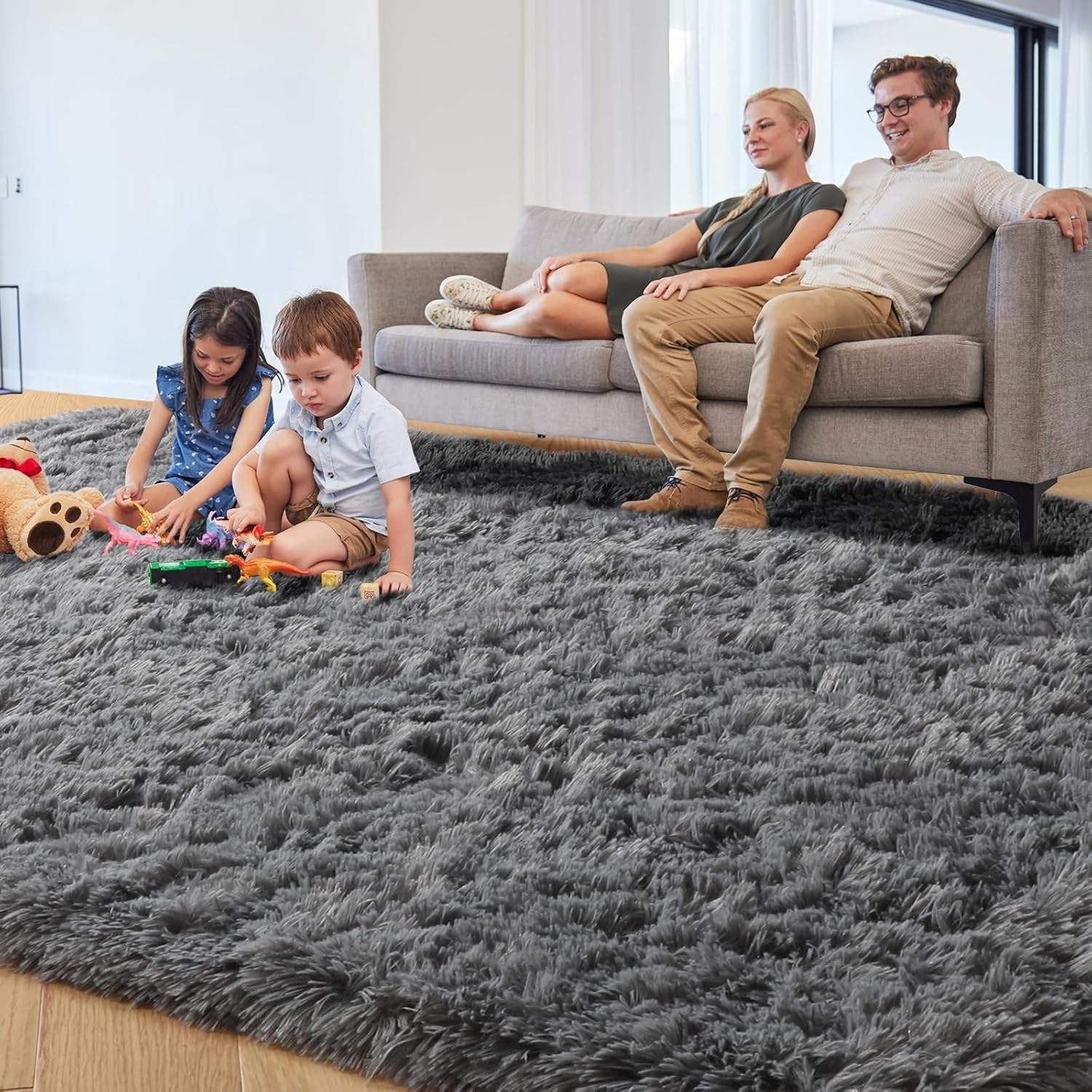
The success of incorporating custom rugs into interior spaces depends on understanding how design principles interact with material choices, color theory, and spatial proportions. When selecting custom rugs for your home, consider how they coordinate with wall treatments, furniture arrangements, lighting conditions, and accent pieces. Thoughtful placement and design selection ensure that custom rugs enhance rather than compete with existing décor elements, creating layers of visual interest that strengthen overall design cohesion.
Modern interior design emphasizes clean lines, neutral color palettes, and uncluttered visual fields. Custom rugs designed for contemporary spaces typically feature geometric patterns, solid tones, or subtle gradations that complement streamlined furniture silhouettes. Gray, charcoal, cream, and soft blue tones work exceptionally well in minimalist environments, providing visual grounding without overwhelming the senses. Custom rugs in these settings should maintain proportional balance with surrounding furnishings, anchoring seating areas while preserving the intentional negative space that defines modern aesthetics. The texture of custom rugs becomes especially important in minimalist settings, where subtle tactile variation compensates for restrained color schemes.
Industrial design styles benefit from custom rugs that echo warehouse aesthetics and raw material sensibilities. Consider custom rugs featuring concrete-inspired tones, subtle striping, or abstract motifs reminiscent of urban environments. Metal-accented rugs or designs incorporating muted earthtones like rust, charcoal, and taupe create visual connection with exposed brick, metal fixtures, and unfinished materials common in industrial spaces. Custom rugs sized to anchor distinct functional zones within open-concept layouts establish visual organization without sacrificing the spacious feeling industrial design requires. The durability and stain-resistance properties of contemporary custom rugs make them ideal for high-traffic urban living environments.
Traditional decoration styles draw heavily on historical design principles, symmetry, and rich color palettes. Custom rugs designed for classic interiors often incorporate Persian-inspired patterns, damask motifs, or ornamental borders that echo period furnishings and architectural details. Deep jewel tones like burgundy, emerald, and sapphire create sophistication and warmth in traditional spaces, while custom rugs featuring intricate patterns establish visual complexity that complements traditional furniture's detailed craftsmanship. The scale of pattern in custom rugs should relate proportionally to room dimensions and existing furniture detailing, ensuring visual harmony across the complete interior environment. Wool and natural fiber custom rugs particularly suit traditional spaces, where material authenticity reinforces design period accuracy.
Transitional design blends traditional elements with contemporary simplification, creating welcoming spaces that bridge design eras. Custom rugs serve this purpose exceptionally well by incorporating simplified traditional patterns or heritage-inspired colorways in updated formats. Consider custom rugs that feature classic motifs rendered in modern color combinations, or traditional patterns executed in contemporary proportions. This hybrid approach allows custom rugs to connect with heritage furnishings while maintaining accessibility to modern living. Transitional custom rugs work particularly well in spaces combining upholstered pieces with clean-lined seating, creating visual bridges between different furniture generations.
Eclectic interior design celebrates visual diversity, personal expression, and unexpected combinations. Custom rugs provide ideal platforms for bringing eclectic visions to life, enabling homeowners to commission one-of-a-kind designs reflecting individual artistic preferences. Whether incorporating bold color combinations, mixed pattern styles, or culturally diverse motifs, custom rugs become focal points that justify and anchor surrounding eclectic choices. The customization process allows artists and designers to create rugs featuring original artwork, personal photography, or commissioned illustrations that transform functional floor coverings into gallery-quality installations. Eclectic spaces benefit from custom rugs that maintain visual coherence through consistent color threading across diverse design elements, preventing cluttered impressions despite intentional variety.
Contemporary design increasingly views custom rugs as artistic mediums rather than utilitarian floor coverings. Commissioned custom rugs featuring abstract artwork, bold graphic designs, or textile experiments create powerful design statements that elevate entire rooms. Custom rugs with hand-painted elements, unconventional material combinations, or innovative dyeing techniques transform spaces into creative expressions. Artists and makers increasingly collaborate with interior designers to produce custom rugs that serve as room anchors while functioning as independent artistic works. This elevated approach to custom rugs attracts collectors and design enthusiasts seeking distinctive pieces that reflect cultural movements and personal aesthetics simultaneously.
Bohemian and vintage aesthetics thrive with custom rugs featuring warm, saturated colors, handwoven textures, and globally-inspired patterns. Custom rugs incorporating natural fiber blends, tribal motifs, or distressed finishes create authentic bohemian atmospheres while vintage-styled custom rugs with faded colors and worn characteristics evoke period authenticity. The customization process allows designers to age-treat custom rugs or incorporate vintage textile techniques, establishing cohesive visual narratives throughout boho and vintage-styled interiors.
Custom rug sizing depends on room dimensions, furniture arrangement, and style requirements. Modern spaces typically use larger custom rugs that anchor entire seating areas, while traditional layouts often feature custom rugs sized to float beneath furniture groupings. Traffic patterns, ceiling heights, and lighting conditions influence custom rug proportions across all styles. Professional designers calculate custom rug dimensions to occupy approximately fifty to seventy percent of visible floor space within functional zones, ensuring balanced visual weight regardless of decoration style.
Strategic custom rug selection enables design flexibility across style transitions. Neutral custom rugs with subtle pattern elements adapt to both traditional and contemporary spaces, while custom rugs featuring classic proportions work across multiple décor styles. Investing in timeless custom rugs with high-quality construction ensures long-term usability as design preferences evolve. However, highly specialized custom rugs designed for specific styles may require replacement during significant decoration overhauls, making informed customization choices essential for long-term design satisfaction and financial returns.

2026/11/02
Struggling to choose the right living room rugs? Avoid costly mistakes with expert insights on size, material, durability, style & care. Get your perfect rug.

2026/11/03
Worried about infant falls during crawling? Discover how cushioned baby play mats absorb impact, and support motor development. Get expert safety tips now.

2026/11/04
Struggling with messy spills and tummy time needs? Discover waterproof, sensory, and tummy-time-optimized play mat surface. Compare materials now.

2026/11/05
Can a kids play mat reduce noise? Discover how thickness, foam density & full coverage deliver real acoustic relief. Get the guide.

2026/11/06
Why do kids slip on tile, laminate & polished wood? Discover how premium non-slip play mats anchor securely AND absorb impact. Boost safety.

2026/11/09
Tired of scrubbing stains and battling odors? Discover the 5 key kids play mat features—waterproof surfaces, washable covers, non-slip grip. See what makes maintenance effortless.

