 EN

What Should Buyers Know Before Ordering Living Room Rugs?
2026/11/02
Struggling to choose the right living room rugs? Avoid costly mistakes with expert insights on size, material, durability, style & care. Get your perfect rug.
Living room rugs are far more than decorative floor coverings—they are essential design elements that fundamentally transform how a space feels and functions. When chosen and placed thoughtfully, living room rugs create warmth, define seating areas, absorb sound, and establish the emotional tone of your entire home. The right rug invites people to linger, softens hard surfaces, and immediately elevates a room from ordinary to genuinely inviting.
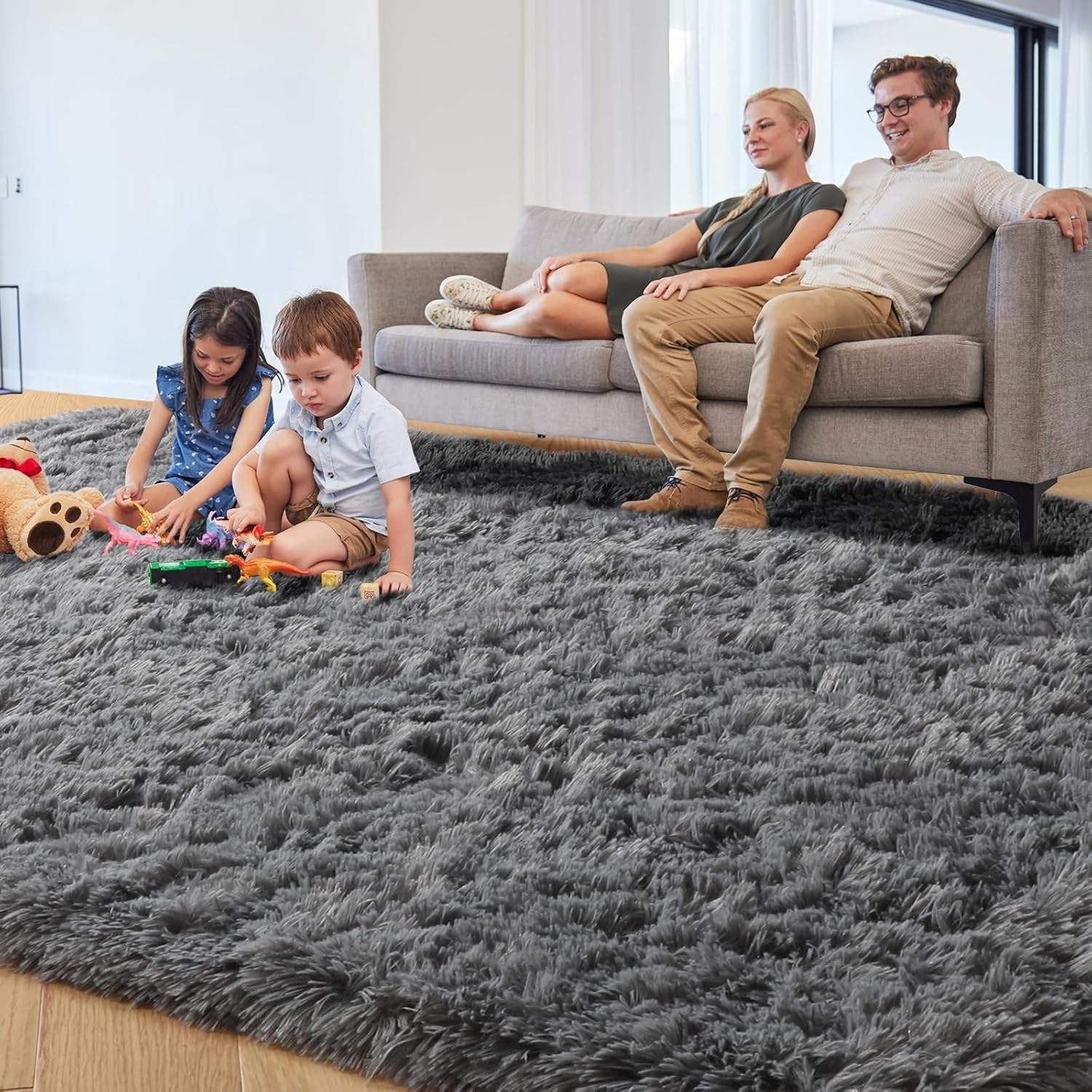
Creating cozy spaces requires understanding how living room rugs influence comfort, visual appeal, and spatial perception. A well-selected rug anchors furniture arrangements, adds textural depth, and provides the tactile comfort that makes a room feel like a genuine sanctuary rather than just a place to pass through.
The material composition of living room rugs directly impacts how comfortable and inviting a space becomes. Soft, plush materials like wool, polyester blends, and shaggy fabrics create an immediate sense of luxury underfoot and encourage barefoot relaxation. These textures absorb sound, reduce echoes, and make rooms feel more intimate and peaceful. Natural fibers such as wool provide inherent warmth, durability, and a sophisticated aesthetic that works across numerous design styles.
High-traffic living rooms benefit from rugs made from resilient materials that resist wear while remaining soft and approachable. Synthetic blends and treated natural fibers offer practical advantages for families and active households. Rugs with stain-resistant finishes maintain their appearance longer, supporting the cozy atmosphere you want to preserve. Choosing materials that balance softness with durability ensures your living room rugs continue creating comfort year after year without requiring excessive maintenance.
Proper placement of living room rugs establishes visual coherence and psychological comfort in seating zones. An ideal approach positions the rug so that at least the front legs of sofas and chairs rest on it, creating a unified anchor point for the entire conversation area. This technique makes the space feel intentional and organized while subtly signaling to visitors that this zone is a dedicated gathering place. The rug becomes both a physical and psychological boundary that defines intimacy within the larger room.
Living room rugs must relate proportionally to furniture and floor space to achieve visual balance and coziness. Undersized rugs fragment the space and undermine the sense of cohesion that creates comfort. A rug sized to accommodate primary seating creates a focal point that draws people together. Larger rugs that extend toward walls make rooms feel more spacious and sophisticated, while appropriately scaled rugs prevent the space from feeling cold or disconnected. Matching rug dimensions to room proportions and furniture placement is fundamental to achieving the cozy atmosphere you envision.
Living room rugs featuring warm earth tones, deep jewel colors, or neutral backgrounds establish an emotionally inviting atmosphere instantly. Warm colors like terracotta, rust, warm gray, and cream naturally evoke coziness and comfort, while patterns can add visual interest without overwhelming the space. Color psychology plays a significant role—warm hues promote relaxation, encourage conversation, and make spaces feel welcoming. Selecting a color palette that complements your existing décor ensures living room rugs enhance rather than compete with surrounding elements.
Strategic use of patterns in living room rugs adds depth and personality while maintaining the comfort-forward atmosphere you desire. Subtle geometric patterns, traditional designs, or abstract textures create visual richness without introducing jarring visual chaos. Layering texture through rug selection—combining smooth fabrics with plush shag or textured weaves—adds tactile dimension to the room. This layering approach makes spaces feel more curated and intentional, qualities that fundamentally contribute to overall coziness and sophisticated comfort.
For smaller living rooms, choose rugs sized to anchor your primary seating without overwhelming the floor. A 5x7 or 6x9 rug typically works well in compact spaces, creating definition while leaving adequate floor visibility around edges. Ensure at least the front legs of major furniture pieces rest on the rug to establish visual cohesion and maximize the sense of organized comfort.
Living room rugs absorb sound waves that would otherwise bounce off hard floors and walls, reducing echo and creating a quieter, more peaceful environment. This acoustic benefit contributes significantly to the cozy atmosphere, as softer acoustics feel more intimate and relaxing. Thicker, denser rugs provide greater sound absorption, making them ideal for homes seeking enhanced comfort and tranquility.
Yes, living room rugs adapt to virtually any design aesthetic—modern, traditional, transitional, bohemian, or minimalist. The key is selecting colors, patterns, and materials that align with your existing décor while prioritizing comfort and coziness. A well-chosen rug complements your style while enhancing the warm, inviting atmosphere that makes a living room feel like a genuine refuge.

2026/11/02
Struggling to choose the right living room rugs? Avoid costly mistakes with expert insights on size, material, durability, style & care. Get your perfect rug.

2026/11/03
Worried about infant falls during crawling? Discover how cushioned baby play mats absorb impact, and support motor development. Get expert safety tips now.

2026/11/04
Struggling with messy spills and tummy time needs? Discover waterproof, sensory, and tummy-time-optimized play mat surface. Compare materials now.

2026/11/05
Can a kids play mat reduce noise? Discover how thickness, foam density & full coverage deliver real acoustic relief. Get the guide.

2026/11/06
Why do kids slip on tile, laminate & polished wood? Discover how premium non-slip play mats anchor securely AND absorb impact. Boost safety.

2026/11/09
Tired of scrubbing stains and battling odors? Discover the 5 key kids play mat features—waterproof surfaces, washable covers, non-slip grip. See what makes maintenance effortless.

