 EN

What Should Buyers Know Before Ordering Living Room Rugs?
2026/11/02
Struggling to choose the right living room rugs? Avoid costly mistakes with expert insights on size, material, durability, style & care. Get your perfect rug.
Supplying quality living room rugs requires a comprehensive approach that goes far beyond simply sourcing materials and assembling products. Suppliers must understand the critical role that living room rugs play in home interiors, where they serve as both functional and aesthetic elements that endure years of foot traffic, dust accumulation, and daily wear. The responsibility of providing quality living room rugs demands expertise in material sourcing, manufacturing precision, quality control, and customer service that ensures buyers receive products meeting their expectations for comfort, durability, and visual appeal.
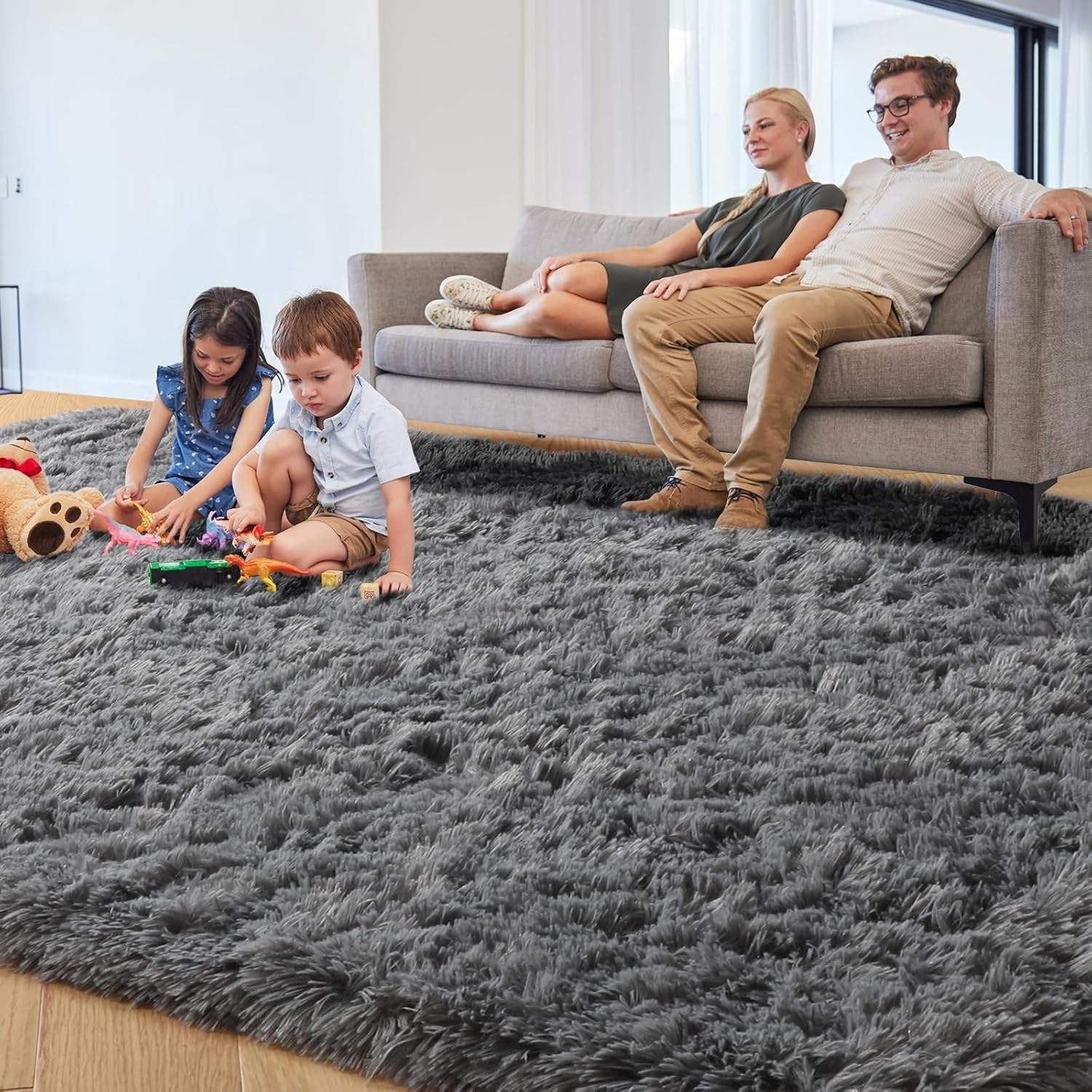
Suppliers committed to excellence in living room rugs recognize that quality is not a single attribute but a combination of factors working together. From fiber selection and dye consistency to weave tightness and backing durability, every decision in the production process directly impacts the final product's performance and longevity. Understanding these quality drivers enables suppliers to differentiate their offerings in a competitive market while building trust with retailers and end consumers who depend on reliable rug products.
The foundation of quality living room rugs begins with fiber selection, where suppliers must evaluate natural and synthetic options based on performance characteristics, cost structure, and environmental considerations. Natural fibers such as wool provide excellent durability, natural stain resistance, and aesthetic warmth, making them a premium choice for living room rugs. Synthetic fibers like polypropylene offer affordability and moisture resistance, while nylon delivers outstanding resilience and color retention. Suppliers must source fibers from reliable vendors, verify fiber specifications through testing, and maintain consistent quality across production batches to ensure that every living room rug meets established durability standards.
Reputable suppliers implement rigorous fiber testing protocols to verify tensile strength, colorfastness, and resistance to fading before incorporating materials into living room rugs. These tests simulate real-world conditions including exposure to sunlight, moisture, and foot traffic patterns commonly encountered in residential spaces. When fibers pass these validation steps, suppliers gain confidence that their living room rugs will maintain appearance and structural integrity throughout their useful life. Documentation of these tests provides retailers with verifiable proof of quality and protects both the supplier's reputation and the consumer's investment in quality living room rugs.
Creating quality living room rugs demands manufacturing processes that maintain tight weave density, consistent pile height, and secure yarn interlocking throughout production. Suppliers invest in modern loom technology and employ skilled operators who understand how weave patterns affect both aesthetic appeal and functional durability. The construction method directly influences how living room rugs perform under stress; a well-constructed rug maintains its shape, resists pile reversal, and prevents seam separation after extended use. Suppliers must calibrate their equipment regularly and train personnel on quality standards to ensure every living room rug meets or exceeds design specifications, creating products that justify premium pricing and customer loyalty.
The backing layer of living room rugs serves critical functions including structural support, slip resistance, and moisture management. Suppliers typically apply latex or synthetic backing materials that anchor the pile securely while preventing the rug from shifting on flooring surfaces. Quality living room rugs feature non-slip backings that enhance safety in homes with children and elderly residents, reducing accident risk. Suppliers must source backing materials from reputable manufacturers, verify adhesion quality through peel testing, and ensure that backing materials remain flexible and durable through multiple cleanings and temperature fluctuations. This attention to backing construction distinguishes premium living room rugs from lower-cost alternatives that often compromise on this critical component.
Suppliers maintaining rigorous quality standards implement multi-stage inspection processes throughout living room rug production. Visual inspections identify color inconsistencies, pile defects, and backing irregularities before products reach packaging. Laboratory testing evaluates colorfastness through accelerated aging simulations, measures dimensional stability to confirm minimal shrinkage, and assesses stain resistance under controlled conditions. These quality living room rugs undergo performance testing including traffic resistance and backing durability assessments that replicate household use patterns. When suppliers conduct thorough testing and document results, they create accountability mechanisms that catch defects before shipment and provide retailers with confidence in recommending living room rugs to customers.
Successful suppliers gather feedback from retailers and end consumers regarding the performance of their living room rugs in real household environments. Return rates, complaint patterns, and long-term durability reports reveal which design choices and construction methods succeed or fail in actual use. Suppliers who analyze this data systematically implement improvements to fiber selections, weave techniques, or backing materials that enhance living room rug performance. This commitment to continuous improvement ensures that successive production runs of living room rugs reflect accumulated learning and deliver progressively higher quality products. Suppliers who embrace this feedback-driven approach build reputations for reliability and responsiveness, creating competitive advantages that sustain business growth.
Wool remains the premium choice for living room rugs due to exceptional durability, natural stain resistance, and aesthetic appeal, though it commands higher prices. Nylon synthetic fiber provides outstanding resilience and color retention suitable for high-traffic areas, making it popular for families with pets or children. Polypropylene offers budget-friendly alternatives with adequate performance for moderate-use living room rugs, though it may show wear faster than wool or nylon options. Suppliers select fiber types based on target market positioning, durability expectations, and price point requirements, recognizing that different consumers prioritize different quality attributes in living room rugs.
Quality suppliers source fibers from vendors who apply advanced dye processes ensuring excellent colorfastness through repeated washings and sunlight exposure. They specify dyes with superior light resistance that minimize fading during years of window light exposure common in living rooms. Suppliers may apply protective treatments to living room rugs that enhance stain resistance and simplify cleaning while maintaining fiber breathability and texture. Regular testing simulating real-world conditions validates that dye remains stable and protective treatments endure through multiple cleaning cycles, ensuring living room rugs maintain their appearance investment throughout their lifespan.
Premium living room rugs typically feature latex or synthetic rubber backing that anchors pile securely while providing slip resistance on hardwood and tile flooring. These backing materials must flex with temperature changes and resist moisture without compromising the structural bond between backing and pile fibers. Suppliers test backing durability through repeated flexing, moisture exposure, and peel-strength measurements to confirm materials withstand years of use and cleaning. Quality living room rugs incorporate backing materials that prevent seam separation, reduce shifting during use, and maintain non-slip properties even after cleaning, creating safer and longer-lasting products that justify premium pricing.

2026/11/02
Struggling to choose the right living room rugs? Avoid costly mistakes with expert insights on size, material, durability, style & care. Get your perfect rug.

2026/11/03
Worried about infant falls during crawling? Discover how cushioned baby play mats absorb impact, and support motor development. Get expert safety tips now.

2026/11/04
Struggling with messy spills and tummy time needs? Discover waterproof, sensory, and tummy-time-optimized play mat surface. Compare materials now.

2026/11/05
Can a kids play mat reduce noise? Discover how thickness, foam density & full coverage deliver real acoustic relief. Get the guide.

2026/11/06
Why do kids slip on tile, laminate & polished wood? Discover how premium non-slip play mats anchor securely AND absorb impact. Boost safety.

2026/11/09
Tired of scrubbing stains and battling odors? Discover the 5 key kids play mat features—waterproof surfaces, washable covers, non-slip grip. See what makes maintenance effortless.

