 EN

What Should Buyers Know Before Ordering Living Room Rugs?
2026/11/02
Struggling to choose the right living room rugs? Avoid costly mistakes with expert insights on size, material, durability, style & care. Get your perfect rug.
Tummy time is a critical developmental practice for infants, and the right environment makes all the difference. A quality tummy time mat creates a safe, comfortable surface that encourages babies to practice essential motor skills while protecting their delicate skin from hard floors and germs. Parents who invest in a dedicated tummy time mat report that their babies remain engaged longer, develop stronger neck and shoulder muscles faster, and experience fewer discomfort-related crying episodes.
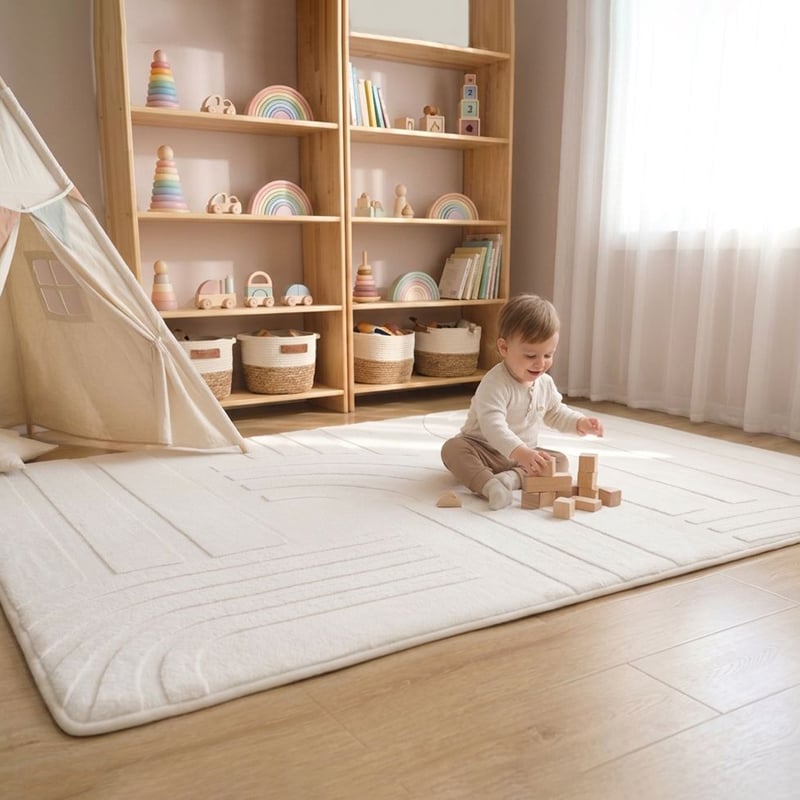
The tummy time mat serves as more than just a padded surface; it transforms how babies interact with their environment during these crucial developmental windows. A well-designed tummy time mat provides adequate cushioning that reduces pressure on a baby's chest and arms, minimizes jarring sensations that can trigger fussiness, and creates a defined play zone that helps parents establish consistent routines. Understanding how a tummy time mat improves overall baby comfort requires examining the physical, emotional, and developmental dimensions of infant care.
Babies placed on hard surfaces experience unnecessary discomfort during tummy time, which often leads to shortened sessions and incomplete developmental benefits. A tummy time mat distributes a baby's weight evenly across a soft, supportive surface that alleviates pressure points on the chest, shoulders, and face. This cushioning effect is especially important for newborns whose skeletal systems are still developing and whose neck muscles remain relatively weak. When babies rest on an adequately padded tummy time mat, they can focus energy on building strength rather than managing physical discomfort.
Hard floors, carpets with trapped dirt, and furniture surfaces expose babies to bacteria, dust mites, and other contaminants. A dedicated tummy time mat acts as a clean barrier between your baby and potentially harmful substances found in typical household environments. Quality mats feature washable covers and materials that resist mold and mildew, ensuring your baby always has a hygienic surface. This protective layer allows parents to practice tummy time with confidence, knowing their baby is insulated from floor-level germs while receiving the developmental benefits of prone positioning.
Babies respond positively to environments designed specifically for their comfort. A dedicated tummy time mat signals to your baby that playtime is beginning, helping establish healthy routines and expectations. Mats featuring varied textures, gentle colors, and sensory-friendly materials encourage babies to remain engaged for longer periods. When your baby feels comfortable on their tummy time mat, they naturally extend their play sessions, which translates to increased strength-building opportunities and accelerated motor skill development. This psychological comfort element often goes unnoticed but significantly impacts how effectively babies respond to tummy time.
Uncomfortable surfaces trigger stress responses in infants, causing excessive crying and resistance to tummy time. A properly cushioned tummy time mat minimizes these negative reactions by providing familiar, reliable comfort. When babies feel secure on their mat, cortisol levels remain lower, and they remain calm enough to focus on moving and exploring. Parents frequently observe that babies who previously resisted tummy time sessions become enthusiastic participants once introduced to a quality tummy time mat that prioritizes their physical comfort and emotional security.
Motor development requires repetition and time on task. A tummy time mat eliminates the discomfort variable that interrupts learning sessions, allowing babies to dedicate mental and physical resources to skill development. Comfortable positioning on a tummy time mat enables babies to practice lifting their heads, rolling, and eventually crawling with confidence. The supportive surface reduces fatigue from fighting discomfort, allowing extended sessions that accelerate the development of neck, shoulder, back, and core muscles essential for later milestones like sitting and crawling.
Babies move differently depending on their comfort level and surface security. A quality tummy time mat provides enough cushioning to protect against jarring sensations while maintaining firm support for natural movement patterns. This balance allows babies to practice authentic motor sequences without compensating for discomfort through awkward positioning. The mat's defined boundaries also help babies develop spatial awareness and body control. Parents who use a tummy time mat report observing more natural, coordinated movement patterns and faster progression through developmental milestones compared to sessions on unsupported surfaces.
Babies can begin tummy time as early as their first week home, with a quality tummy time mat providing comfort even for newborns. Starting with short sessions of five to ten minutes on a tummy time mat allows new parents to establish the habit safely. As babies grow stronger, sessions naturally extend, and a dedicated tummy time mat remains beneficial throughout the first year of development. Always consult your pediatrician before beginning tummy time with premature or medically fragile infants.
Pediatricians recommend placing babies on their tummies for supervised tummy time several times daily, building toward thirty minutes total each day by three months of age. A tummy time mat makes these frequent sessions easier for parents to manage because babies remain more comfortable and engaged. Consistent practice on a supportive tummy time mat accelerates motor development and reduces the likelihood of positional plagiocephaly. The exact frequency depends on your baby's age, health status, and individual comfort level, so discuss specific recommendations with your healthcare provider.
The best tummy time mat combines adequate cushioning with washable, hygienic materials that resist mold and bacterial growth. Look for mats with non-slip bottoms to prevent sliding on hardwood or tile floors, textured surfaces that encourage sensory exploration, and dimensions large enough for your baby to move freely. A quality tummy time mat should be portable for travel and easy to clean, with removable covers that tolerate frequent washing. Prioritize mats made from non-toxic materials and free from small parts or choking hazards that could compromise your baby's safety during supervised play sessions.

2026/11/02
Struggling to choose the right living room rugs? Avoid costly mistakes with expert insights on size, material, durability, style & care. Get your perfect rug.

2026/11/03
Worried about infant falls during crawling? Discover how cushioned baby play mats absorb impact, and support motor development. Get expert safety tips now.

2026/11/04
Struggling with messy spills and tummy time needs? Discover waterproof, sensory, and tummy-time-optimized play mat surface. Compare materials now.

2026/11/05
Can a kids play mat reduce noise? Discover how thickness, foam density & full coverage deliver real acoustic relief. Get the guide.

2026/11/06
Why do kids slip on tile, laminate & polished wood? Discover how premium non-slip play mats anchor securely AND absorb impact. Boost safety.

2026/11/09
Tired of scrubbing stains and battling odors? Discover the 5 key kids play mat features—waterproof surfaces, washable covers, non-slip grip. See what makes maintenance effortless.

