 EN

What Should Buyers Know Before Ordering Living Room Rugs?
2026/11/02
Struggling to choose the right living room rugs? Avoid costly mistakes with expert insights on size, material, durability, style & care. Get your perfect rug.
Area rugs serve as powerful design elements that transform living spaces and elevate the overall aesthetic of any home interior. Whether you're designing a modern apartment or refreshing a traditional family room, area rugs provide both functional and visual benefits that go far beyond simple floor coverage. They anchor furniture arrangements, introduce color schemes, define distinct zones within open layouts, and add warmth to hard flooring surfaces. The strategic placement and selection of area rugs can completely reshape how a room feels and functions.
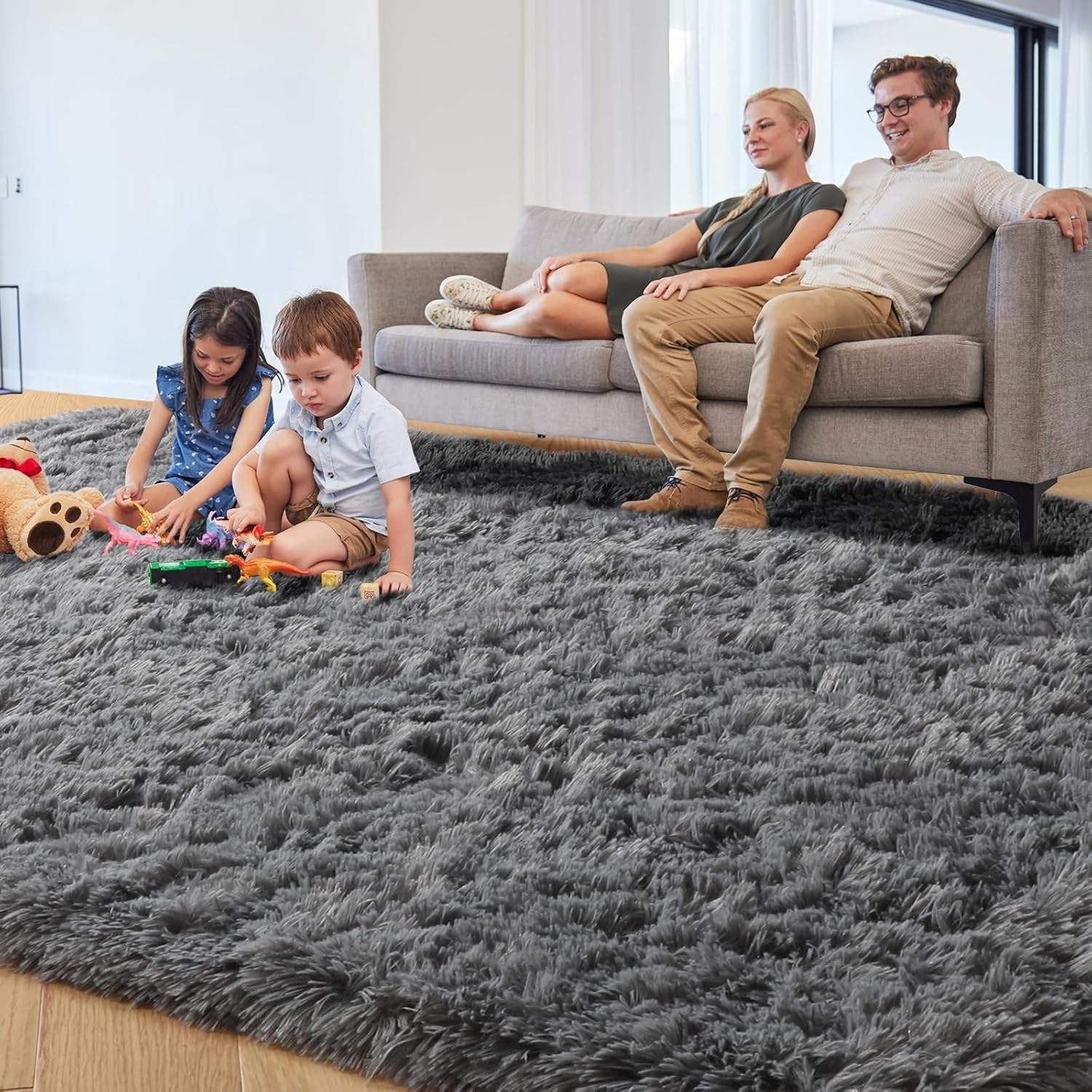
Homeowners often underestimate the transformative power of thoughtfully chosen area rugs. Beyond aesthetics, these textile foundations create cohesion in spaces where different design elements might otherwise feel disconnected. The right area rugs establish visual continuity, anchor seating groups, and establish traffic flow patterns. Understanding how to leverage area rugs as design tools unlocks new possibilities for creating personalized, welcoming, and visually sophisticated home environments.
Area rugs fundamentally change how we perceive room proportions and furniture relationships. By placing area rugs beneath seating arrangements, you create an immediate visual anchor that tells viewers this space is intentionally designed. A well-positioned rug underneath a sofa and coffee table establishes the living area as a defined zone, even in open-concept homes where walls don't separate spaces. This psychological grounding makes rooms feel more organized and purposeful. In larger homes, area rugs act as visual reference points that prevent spaces from feeling empty or disconnected.
Open floor plans benefit tremendously from strategically placed area rugs. Without physical walls, area rugs create invisible boundaries that separate the living room from the dining area or distinguish a reading nook from the general circulation space. Different area rugs in adjacent zones signal distinct functional areas while maintaining visual flow throughout the home. This zoning technique proves especially valuable in studio apartments and loft-style living arrangements where traditional room division isn't possible. Area rugs essentially give open spaces structure and intentionality.
Area rugs introduce color schemes in ways that walls and larger furniture pieces sometimes cannot. A thoughtfully selected rug can introduce accent colors that tie together existing design elements or establish an entirely new color direction for the space. If your walls are neutral, area rugs provide an opportunity to add visual interest without major renovations. Bold patterns or jewel tones in area rugs create immediate impact and personality. Subtle earth tones or neutral area rugs provide stability and allow other décor elements to shine. The color psychology embedded in area rugs directly influences how inhabitants feel when entering the room.
Beyond color, area rugs contribute essential textural elements that soften hard surfaces and add luxury to interiors. Plush wool area rugs convey warmth and comfort, while flat-weave versions offer contemporary simplicity. Natural fiber area rugs like jute or sisal bring organic authenticity, whereas synthetic options provide durability and easy maintenance. The tactile quality of area rugs, whether underfoot or visually perceived, creates sensory richness that elevates perceived room quality. Combining area rugs with other textiles like curtains and pillows builds layered, dimensional interiors that feel sophisticated and intentionally curated.
Hard flooring materials like tile, wood, and concrete reflect sound and create echoes that make spaces feel cold and institutional. Area rugs absorb acoustic energy, reducing noise transmission and creating quieter, more pleasant indoor environments. This acoustic benefit proves particularly valuable in basements, kitchens, and rooms with high ceilings where sound naturally amplifies. Families with children and pets especially appreciate how area rugs dampen footsteps and play sounds. Beyond comfort, better acoustics make homes feel more private, intimate, and refined.
Walking barefoot on cold tile or hardwood becomes immediately pleasant when area rugs soften the surface. Rugs provide cushioning that reduces foot fatigue during long periods of standing or walking. For households with young children, elderly residents, or mobility concerns, area rugs offer non-slip surfaces that enhance safety and prevent falls. The thermal insulation provided by area rugs also reduces heating costs by trapping warm air near living areas. All these practical advantages combine with visual benefits to make area rugs essential home improvement investments that serve multiple purposes simultaneously.
Size selection for area rugs depends on furniture arrangement and room layout. In living rooms, area rugs should extend at least two feet beyond furniture boundaries to create a unified look. For smaller bedrooms, area rugs positioned beside the bed rather than underneath provide comfort without overwhelming the space. Dining room area rugs should accommodate chair leg movement when pulled back from the table. General guidance suggests choosing area rugs proportional to the room—roughly 60 to 75 percent of the floor space in smaller rooms, and 50 percent in larger areas. Professional designers recommend measuring your specific layout before purchasing to ensure perfect proportions.
Area rugs adapt beautifully to every design aesthetic imaginable. Contemporary interiors benefit from geometric patterns and minimalist area rugs in neutral tones, while traditional homes showcase ornate Persian or Turkish area rugs. Bohemian spaces embrace colorful, eclectic area rugs with tribal patterns and rich textures. Scandinavian design incorporates subtle, natural fiber area rugs that emphasize simplicity and functionality. Industrial lofts often feature concrete-toned area rugs or darker options that complement exposed elements. The versatility of area rugs means virtually every design philosophy can find appropriate options that reinforce and enhance the intended aesthetic.
Proper maintenance extends area rug lifespan significantly. Regular vacuuming removes surface dust and prevents dirt accumulation in fibers. Professional cleaning annually or every 18 months preserves color vibrancy and removes deeper debris that vacuuming cannot reach. Promptly addressing spills prevents permanent stains from setting into area rug material. Rotating area rugs every six months ensures even wear patterns and prevents uneven fading from sunlight exposure. Using rug pads underneath area rugs protects both the rug and underlying flooring while preventing slipping. These straightforward maintenance practices ensure area rugs remain beautiful and functional for many years.

2026/11/02
Struggling to choose the right living room rugs? Avoid costly mistakes with expert insights on size, material, durability, style & care. Get your perfect rug.

2026/11/03
Worried about infant falls during crawling? Discover how cushioned baby play mats absorb impact, and support motor development. Get expert safety tips now.

2026/11/04
Struggling with messy spills and tummy time needs? Discover waterproof, sensory, and tummy-time-optimized play mat surface. Compare materials now.

2026/11/05
Can a kids play mat reduce noise? Discover how thickness, foam density & full coverage deliver real acoustic relief. Get the guide.

2026/11/06
Why do kids slip on tile, laminate & polished wood? Discover how premium non-slip play mats anchor securely AND absorb impact. Boost safety.

2026/11/09
Tired of scrubbing stains and battling odors? Discover the 5 key kids play mat features—waterproof surfaces, washable covers, non-slip grip. See what makes maintenance effortless.

