 EN

What Should Buyers Know Before Ordering Living Room Rugs?
2026/11/02
Struggling to choose the right living room rugs? Avoid costly mistakes with expert insights on size, material, durability, style & care. Get your perfect rug.
When selecting an acupressure mat, the material composition plays a crucial role in determining comfort, durability, and therapeutic effectiveness. Different manufacturers use varying materials for the base layer, spike components, and covering fabrics, each offering distinct advantages and limitations. Understanding these material differences helps you make an informed decision that aligns with your personal health goals, budget, and lifestyle preferences. The quality of materials directly impacts how long your acupressure mat lasts and how well it performs during regular use.
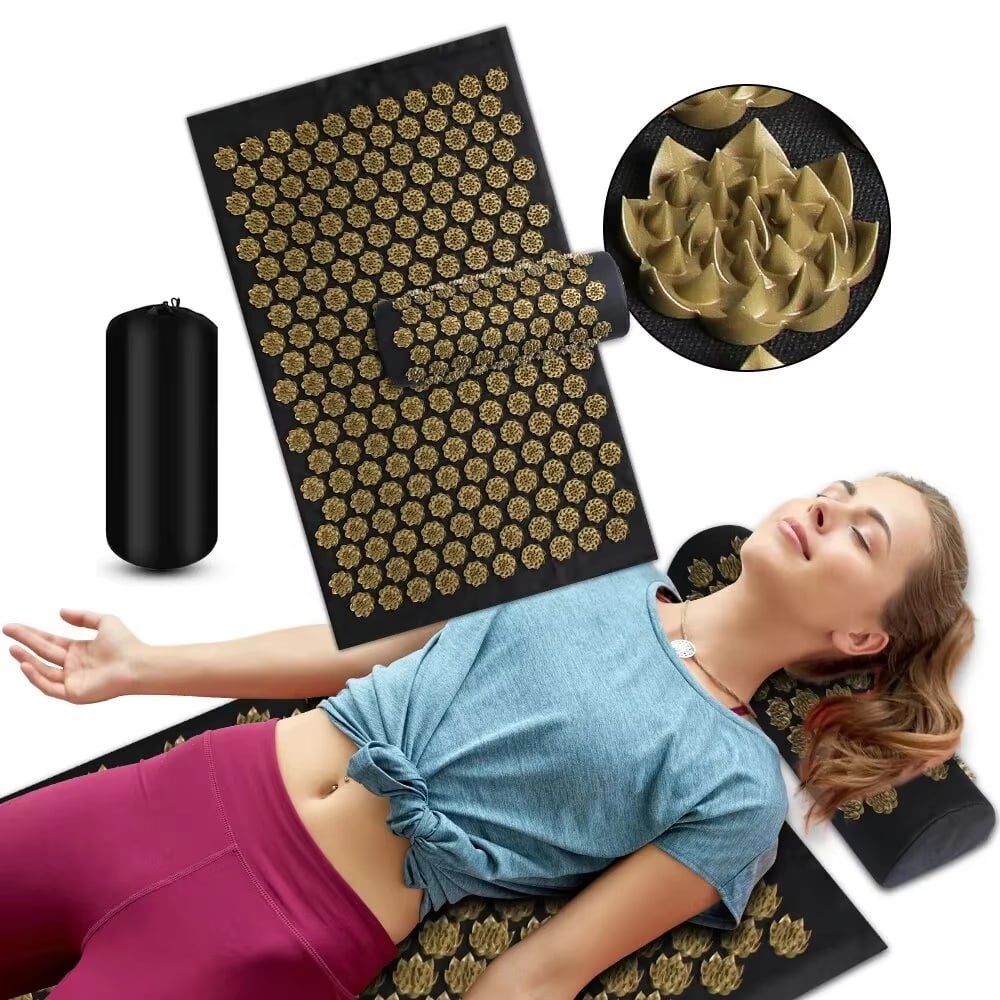
This guide breaks down the primary materials used in acupressure mat construction and examines how they compare across key performance metrics. Whether you're experiencing muscle tension, seeking pain relief, or exploring natural wellness tools, knowing the differences between material types empowers you to choose a product that meets your specific needs. We'll explore base materials, spike materials, and covering fabrics to provide a comprehensive overview of what makes each option unique.
Memory foam remains one of the most popular base materials for acupressure mat products. This material conforms to your body's contours, distributing pressure evenly and enhancing comfort during use. EVA foam, another common choice, offers lightweight durability and consistent support without the memory characteristics. Memory foam bases typically provide superior cushioning for extended sessions, while EVA bases offer better portability and faster recovery between uses. When comparing these two, memory foam excels in personalized comfort, whereas EVA excels in longevity and maintenance simplicity.
PVC and rubber bases deliver exceptional stability and structure to your acupressure mat. These materials resist compression over time, maintaining firm support even after hundreds of sessions. Rubber bases offer natural antimicrobial properties and superior grip on floor surfaces, preventing unwanted movement during use. PVC bases are more affordable and easier to clean, though rubber bases provide a more eco-conscious alternative. Both materials work exceptionally well for users who prefer firm support and extended durability in their acupressure mat investment.
Most affordable acupressure mat products feature plastic spike systems made from durable polymers or medical-grade ABS plastic. These spikes maintain consistent shape and density, delivering reliable pressure point stimulation across your body. Plastic spikes are lightweight, easy to clean, and resistant to moisture absorption, making them ideal for frequent travelers. However, plastic materials may feel less luxurious than alternatives and can sometimes feel overly rigid for sensitive skin types. Despite these considerations, plastic spikes perform effectively for muscle relaxation and pain relief applications.
Some premium acupressure mat options incorporate natural materials like coconut fiber, buckwheat hulls, or jade-based composites into their spike construction. These materials provide a gentler tactile experience while maintaining therapeutic effectiveness. Natural spike materials often feel warmer to the touch and align with holistic wellness philosophies. They tend to wear differently than plastic, potentially requiring more frequent replacement or maintenance. Users seeking a more organic approach to muscle relaxation often prefer acupressure mat products featuring natural spike materials, despite higher initial costs.
Cotton and canvas fabric covers offer breathability and comfort against skin during acupressure mat sessions. These natural fibers allow air circulation, reducing heat buildup during extended use. Canvas covers provide exceptional durability and can withstand repeated washing without degradation. Cotton covers feel softer and more luxurious but may require gentler washing routines to maintain integrity. Both materials work well for sensitive skin and those concerned about synthetic chemical exposure during wellness practices.
Polyester and mesh covers deliver superior moisture-wicking properties, making them excellent choices for active users or warm climates. These synthetic materials dry quickly and resist staining better than natural fibers. Mesh covers specifically promote airflow and reduce moisture accumulation, enhancing comfort during extended sessions. Polyester covers tend to pill over time with heavy use, though they maintain structural integrity longer than cotton alternatives. Users prioritizing easy maintenance and durability often select acupressure mat products with polyester or mesh covering options.
A combination of EVA or rubber base layers with plastic spikes and polyester or mesh covers typically offers the highest durability for an acupressure mat. This construction resists compression, maintains spike integrity, and withstands repeated washing without degradation. Users can expect several years of consistent performance from products featuring this material configuration, making it an excellent value for long-term muscle relaxation and pain relief applications.
Natural fiber covers like organic cotton combined with softer spike materials or jade-based alternatives work best for sensitive skin types. These options minimize irritation while still delivering effective therapeutic stimulation. Memory foam bases provide additional comfort and pressure distribution, reducing concentrated force on delicate skin. Look for acupressure mat products explicitly marketed for sensitive skin to ensure material selections prioritize gentleness without compromising wellness benefits.
Natural material acupressure mat products offer perceived wellness benefits, enhanced comfort, and environmental alignment, justifying higher costs for many users. However, plastic and synthetic alternatives deliver comparable therapeutic effectiveness at lower prices. Your decision depends on personal priorities regarding sustainability, aesthetic preferences, and budget constraints. Both options effectively support pain relief and muscle relaxation, so cost-benefit analysis should reflect your specific wellness goals and usage frequency.

2026/11/02
Struggling to choose the right living room rugs? Avoid costly mistakes with expert insights on size, material, durability, style & care. Get your perfect rug.

2026/11/03
Worried about infant falls during crawling? Discover how cushioned baby play mats absorb impact, and support motor development. Get expert safety tips now.

2026/11/04
Struggling with messy spills and tummy time needs? Discover waterproof, sensory, and tummy-time-optimized play mat surface. Compare materials now.

2026/11/05
Can a kids play mat reduce noise? Discover how thickness, foam density & full coverage deliver real acoustic relief. Get the guide.

2026/11/06
Why do kids slip on tile, laminate & polished wood? Discover how premium non-slip play mats anchor securely AND absorb impact. Boost safety.

2026/11/09
Tired of scrubbing stains and battling odors? Discover the 5 key kids play mat features—waterproof surfaces, washable covers, non-slip grip. See what makes maintenance effortless.

