 EN

What Should Buyers Know Before Ordering Living Room Rugs?
2026/11/02
Struggling to choose the right living room rugs? Avoid costly mistakes with expert insights on size, material, durability, style & care. Get your perfect rug.
A nursery rug serves as more than just a decorative element in your child's room. The material composition of a nursery rug directly influences how comfortable and safe your child feels during playtime, nap time, and developmental activities. Parents often overlook the importance of rug material when selecting nursery furniture, yet the tactile experience of a quality nursery rug significantly affects infant and toddler comfort, skin sensitivity, and overall room functionality.
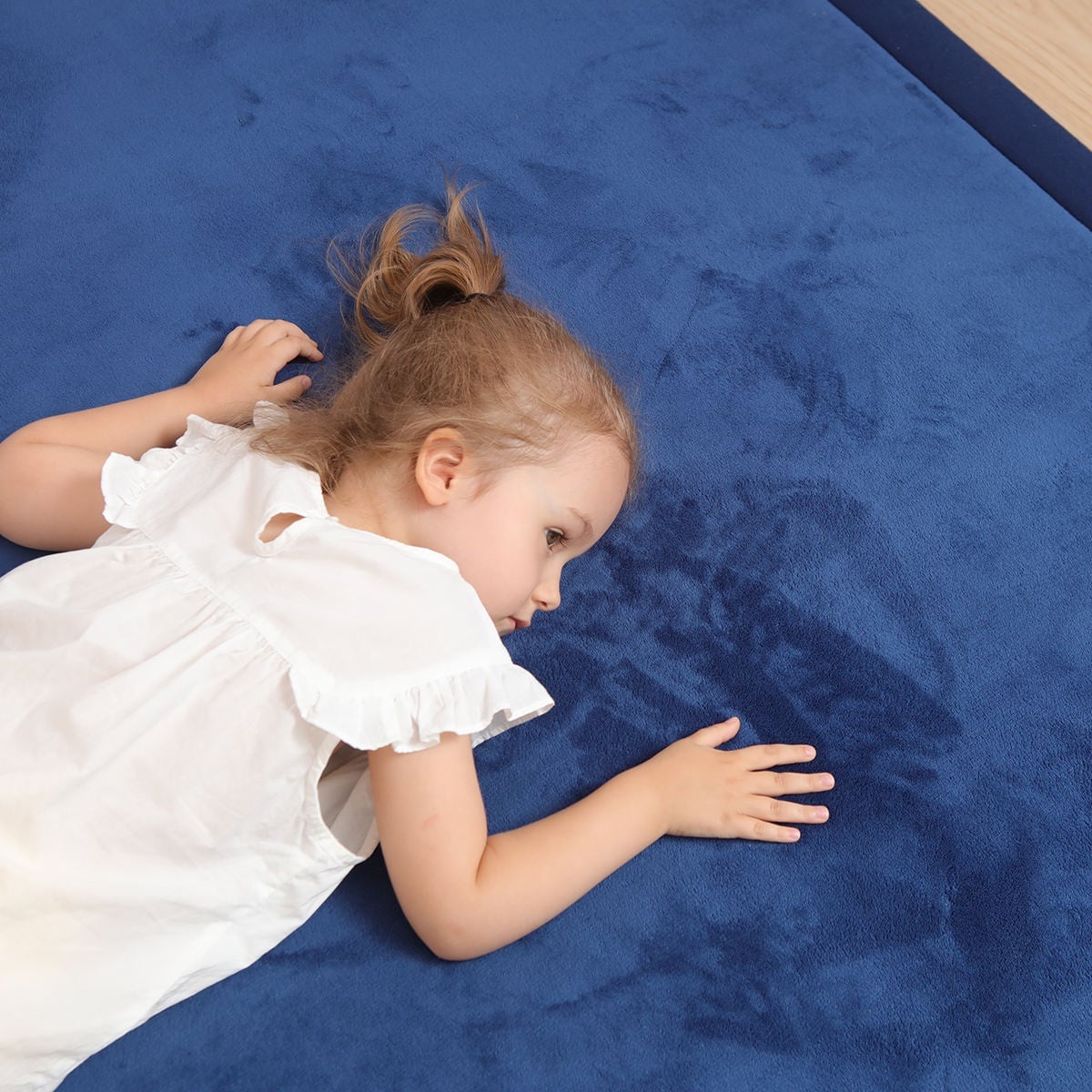
Understanding how different nursery rug materials perform is essential for creating a nurturing environment. The softness, durability, temperature regulation, and hypoallergenic properties of your chosen nursery rug can enhance your child's physical development, reduce injury risk during falls, and promote better sleep quality. This guide explores the material factors that matter most when selecting a nursery rug for optimal comfort.
Natural fibers like wool, cotton, and sisal offer distinct comfort advantages for a nursery rug environment. Wool nursery rug materials provide exceptional insulation, keeping the surface warm underfoot while naturally regulating temperature fluctuations throughout the day. Cotton-based nursery rug options deliver breathability and softness, making them ideal for sensitive skin and warm climates where heat buildup beneath synthetic materials becomes problematic.
Wool nursery rug materials also possess inherent flame-resistant properties without chemical treatment, which addresses safety concerns for families with young children. The natural crimp in wool fibers creates cushioning that absorbs impact, reducing discomfort during frequent tumbling and play. However, wool nursery rug materials require careful maintenance and may pose allergy risks for some families, making this option situation-dependent rather than universally ideal.
Synthetic fabrics dominate the modern nursery rug market due to their durability, stain resistance, and cost-effectiveness. Polypropylene-based nursery rug materials resist moisture absorption, making cleanup straightforward when accidents occur during feeding or diaper changes. Polyester and acrylic nursery rug options offer softness comparable to natural fibers while maintaining superior colorfastness and longevity through repeated washing cycles.
Foam-backed nursery rug materials provide cushioning underneath the surface layer, enhancing comfort during crawling and floor play sessions. This padding creates a barrier between the child and hard flooring, distributing pressure more evenly across contact points. Modern synthetic nursery rug materials increasingly incorporate hypoallergenic treatments and non-toxic dyes to address health-conscious parent concerns about chemical exposure during the critical developmental years.
The pile structure of your nursery rug dramatically affects tactile comfort and developmental benefits. A thicker pile in a nursery rug creates a softer, more luxurious feel that infants and toddlers find comforting. Higher pile density improves sound absorption within the nursery, reducing noise levels that might disturb sleep or create jarring acoustic environments during quiet time.
Conversely, low-pile nursery rug designs offer practical advantages for families managing mobility challenges or allergen concerns. Longer fibers in high-pile nursery rugs can trap dust and pet dander, potentially worsening respiratory issues for sensitive children. The ideal nursery rug balances sufficient softness for comfort with manageable maintenance, typically ranging from 0.5 to 1.5 inches in pile height to optimize both comfort and functionality.
The underlay beneath a nursery rug significantly influences overall comfort perception and safety during active play. Thick foam padding in a nursery rug construction provides superior shock absorption when children fall or transition between standing and sitting positions. Memory foam underlayers conform to body contours, distributing pressure more evenly than traditional rubber or felt pads used in basic nursery rug designs.
Proper cushioning within a nursery rug reduces joint stress during crawling phases and minimizes impact-related discomfort. However, excessively thick padding can create tripping hazards or make the nursery rug feel unstable during early walking attempts. The optimal padding thickness for a nursery rug typically ranges from 0.25 to 0.5 inches, providing meaningful comfort without compromising safety or creating accessibility challenges for developing toddlers.
Material choice determines how a nursery rug performs across seasonal temperature variations and climate conditions. Wool and natural fiber nursery rugs excel in cool climates, retaining warmth that prevents cold surfaces from shocking bare skin during morning playtime. In contrast, cotton and bamboo-based nursery rug options perform better in warm, humid environments where insulating materials trap excessive heat and create discomfort.
Synthetic nursery rug materials offer moderate thermal performance across diverse climates, neither trapping nor losing significant heat. This neutral characteristic makes synthetic options versatile for families living in variable climates or preparing nursery spaces without dedicated climate control. Understanding your regional climate patterns helps identify nursery rug materials that maintain comfortable surface temperatures year-round, supporting consistent sensory experiences for developing children.
A nursery rug must manage moisture effectively without retaining liquids that promote bacterial growth or odor development. Materials like wool absorb moisture slowly, keeping the surface relatively dry while wicking liquids deeper into the pile structure. Synthetic nursery rug options resist moisture absorption entirely, repelling spills and preventing mold development that threatens air quality in enclosed nursery spaces.
Ventilation properties within a nursery rug's construction determine how quickly moisture evaporates after spills or accidents. Dense pile structures in some nursery rugs slow evaporation, while loosely woven designs facilitate faster moisture removal. Choosing a nursery rug with appropriate moisture management prevents bacterial colonization, extends product lifespan, and maintains hygienic conditions essential for infant health and comfort throughout the nursery's active use period.
Natural fibers like organic cotton and merino wool offer the safest options for infants with sensitive skin, as they minimize chemical exposure and allow skin to breathe naturally. Hypoallergenic synthetic nursery rugs with low-VOC certifications provide excellent alternatives when natural options exceed budget constraints. Always verify that any nursery rug includes certifications confirming non-toxic dyes and flame-retardant treatments meeting safety standards for children's products.
Adequate thickness in a nursery rug provides crucial cushioning during crawling, standing, and inevitable falls that characterize typical infant development. A thicker nursery rug reduces impact injuries while encouraging confident floor-based play essential for motor skill development. However, excessive thickness creates tripping hazards and instability during early walking attempts, making moderate thickness of 0.75 to 1.25 inches optimal for most developmental stages.
Yes, a properly chosen nursery rug enhances sleep comfort by moderating floor temperature, absorbing sound that might disrupt rest, and creating a defined sleep zone that signals comfort time to developing brains. The tactile experience of soft fibers triggers relaxation responses, particularly important for infants transitioning from crib to floor-based sleeping positions. A warm, cushioned nursery rug encourages longer rest periods and more settled sleep patterns throughout early childhood.

2026/11/02
Struggling to choose the right living room rugs? Avoid costly mistakes with expert insights on size, material, durability, style & care. Get your perfect rug.

2026/11/03
Worried about infant falls during crawling? Discover how cushioned baby play mats absorb impact, and support motor development. Get expert safety tips now.

2026/11/04
Struggling with messy spills and tummy time needs? Discover waterproof, sensory, and tummy-time-optimized play mat surface. Compare materials now.

2026/11/05
Can a kids play mat reduce noise? Discover how thickness, foam density & full coverage deliver real acoustic relief. Get the guide.

2026/11/06
Why do kids slip on tile, laminate & polished wood? Discover how premium non-slip play mats anchor securely AND absorb impact. Boost safety.

2026/11/09
Tired of scrubbing stains and battling odors? Discover the 5 key kids play mat features—waterproof surfaces, washable covers, non-slip grip. See what makes maintenance effortless.

