 EN

What Should Buyers Know Before Ordering Living Room Rugs?
2026/11/02
Struggling to choose the right living room rugs? Avoid costly mistakes with expert insights on size, material, durability, style & care. Get your perfect rug.
A weighted blanket has become a popular sleep accessory for individuals seeking deeper relaxation and improved rest quality. The materials used in constructing a weighted blanket directly influence how comfortable the product feels against the skin, how well it distributes weight across the body, and how effectively it promotes the therapeutic benefits users expect. Understanding these material choices empowers consumers and buyers to select the right weighted blanket for their specific comfort needs.
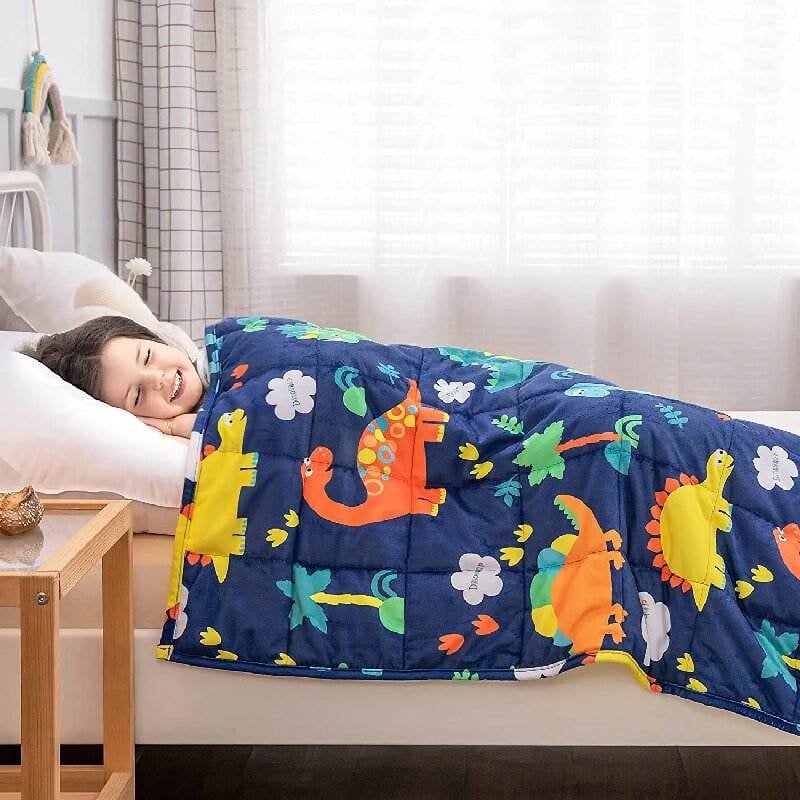
The comfort experience of any weighted blanket depends on three critical material factors: the outer fabric, the inner filling composition, and the overall construction quality. Each material component plays a distinct role in determining whether the blanket feels pleasant to touch, maintains consistent weight distribution, breathes adequately, and supports long-term durability. When these elements work together harmoniously, users experience genuine therapeutic benefits and sustainable comfort over months and years of use.
Natural fabrics create a soft, breathable exterior that many users prefer for direct skin contact. Cotton, bamboo, and linen are popular choices because they offer moisture-wicking properties, reduce heat buildup, and feel gentle against sensitive skin. Cotton remains a standard option in weighted blanket design due to its affordability, durability, and hypoallergenic qualities. Bamboo fabric provides additional softness and superior temperature regulation, making it ideal for users who experience night sweats or sleep in warm climates. These natural materials allow the weighted blanket to breathe, preventing the trapped heat that synthetic alternatives sometimes create.
Synthetic materials like polyester microfiber, minky, and fleece offer distinct advantages in terms of softness, washability, and maintenance. Minky fabric, in particular, has gained popularity because it provides an ultra-soft tactile experience that enhances the comfort appeal of a weighted blanket. These materials often resist wrinkles, require less intensive care, and maintain their appearance after repeated washing. Many manufacturers blend natural and synthetic fibers to combine the breathability of cotton with the luxurious feel of microfiber, creating a weighted blanket that satisfies multiple comfort preferences simultaneously.
The filling material inside a weighted blanket determines how evenly weight distributes across the body and how the product feels during use. Glass beads are a premium option because they provide smooth, consistent weight distribution, remain cool to the touch, and do not degrade over extended use. They create smaller pockets within the weighted blanket, allowing for more precise weight targeting across different body areas. Plastic pellets represent a more economical alternative that still delivers adequate weight distribution, though they may generate slightly more noise and warmth retention compared to glass beads.
The way fillings are compartmentalized within the weighted blanket significantly impacts overall comfort. Grid-stitched or box-quilted designs prevent filling from shifting or bunching, ensuring consistent weight distribution throughout the lifespan of the blanket. This construction method keeps the weighted blanket feeling evenly supportive and prevents uncomfortable lumps or gaps. Higher-quality weighted blanket products use internal baffles and multiple stitching lines to maintain structural integrity, while budget options may rely on simpler patterns that allow gradual separation of filling materials.
Temperature management is crucial for long-term comfort, especially for users who sleep warm or live in humid environments. Modern weighted blanket manufacturers incorporate cooling technologies such as gel-infused fibers, moisture-wicking treatments, and breathable lining materials to address this concern. Some designs feature additional venting channels or air-permeable layers that enhance circulation without compromising the calming pressure effect. These innovations help a weighted blanket remain comfortable throughout the night, preventing the overheating issues that traditional weighted designs sometimes create.
Balancing the desired weight with thermal comfort requires careful material selection. Heavier weighted blankets naturally retain more body heat, so manufacturers must choose fabrics and fillings that support breathability without sacrificing the therapeutic pressure sensation. Thinner outer fabrics, strategic lining choices, and open-weave patterns help achieve this balance. Users should consider their typical sleep environment, seasonal temperature variations, and personal heat sensitivity when evaluating whether a weighted blanket's material composition will provide optimal comfort for their needs.
The durability of a weighted blanket directly affects whether its comfort level remains consistent over time. Quality construction includes reinforced seams, double stitching on stress points, and heavy-duty thread that resists fraying and separation. Weighted blankets experience significant stress during use and laundering, so construction quality determines whether the product maintains its shape, weight distribution, and tactile appeal after repeated washing cycles. Inferior construction often leads to premature seam failure, filling migration, and degraded comfort experiences.
Different fabric materials require different care approaches to maintain long-term comfort and appearance. Natural fibers like cotton may soften further with repeated washing but require proper drying to prevent shrinkage. Synthetic materials often resist pilling and color fading, extending the visual appeal of a weighted blanket over years of use. Manufacturers who provide clear care instructions and design washable covers contribute to sustained comfort by enabling easy maintenance without risk of material damage or degradation.
The best fabric depends on your personal preferences and climate. Cotton and bamboo offer natural breathability and softness, while minky and microfiber provide luxurious tactile experiences. For warm sleepers, cotton or linen-blend fabrics work well. For those prioritizing softness and easy care, synthetic blends or minky exteriors are excellent choices. Consider your sleep environment, skin sensitivity, and maintenance preferences when selecting a weighted blanket fabric.
Yes, the material composition influences weight perception. Denser fabrics and heavier fillings like glass beads create more concentrated pressure, which may feel intense even at moderate weights. Lighter outer fabrics or plastic pellets distribute weight more broadly, creating a gentler sensation. If you prefer deep pressure, choose a weighted blanket with quality compartmentalization and premium fillings. If you prefer gentle, distributed weight, opt for lighter fabric densities and softer filling materials.
High-quality materials and construction directly determine whether a weighted blanket maintains its comfort and performance over time. Reinforced seams, premium fabrics, and stable fillings prevent material degradation, shifting, and loss of the therapeutic pressure effect. Natural fibers like cotton are durable and improve with age, while quality synthetic blends resist wear and pilling. A weighted blanket constructed with excellent materials and craftsmanship continues delivering consistent comfort for years, while cheaper alternatives may deteriorate quickly.

2026/11/02
Struggling to choose the right living room rugs? Avoid costly mistakes with expert insights on size, material, durability, style & care. Get your perfect rug.

2026/11/03
Worried about infant falls during crawling? Discover how cushioned baby play mats absorb impact, and support motor development. Get expert safety tips now.

2026/11/04
Struggling with messy spills and tummy time needs? Discover waterproof, sensory, and tummy-time-optimized play mat surface. Compare materials now.

2026/11/05
Can a kids play mat reduce noise? Discover how thickness, foam density & full coverage deliver real acoustic relief. Get the guide.

2026/11/06
Why do kids slip on tile, laminate & polished wood? Discover how premium non-slip play mats anchor securely AND absorb impact. Boost safety.

2026/11/09
Tired of scrubbing stains and battling odors? Discover the 5 key kids play mat features—waterproof surfaces, washable covers, non-slip grip. See what makes maintenance effortless.

