 EN

What Should Buyers Know Before Ordering Living Room Rugs?
2026/11/02
Struggling to choose the right living room rugs? Avoid costly mistakes with expert insights on size, material, durability, style & care. Get your perfect rug.
Weighted blankets have transformed how people approach sleep comfort and therapeutic relaxation, but not all weighted blankets deliver the same experience. The weight you select plays a critical role in determining whether these therapeutic tools will provide genuine relief or fall short of your expectations. Understanding how weighted blankets differ in their weight options is essential for making an informed purchase that aligns with your specific needs and body composition.
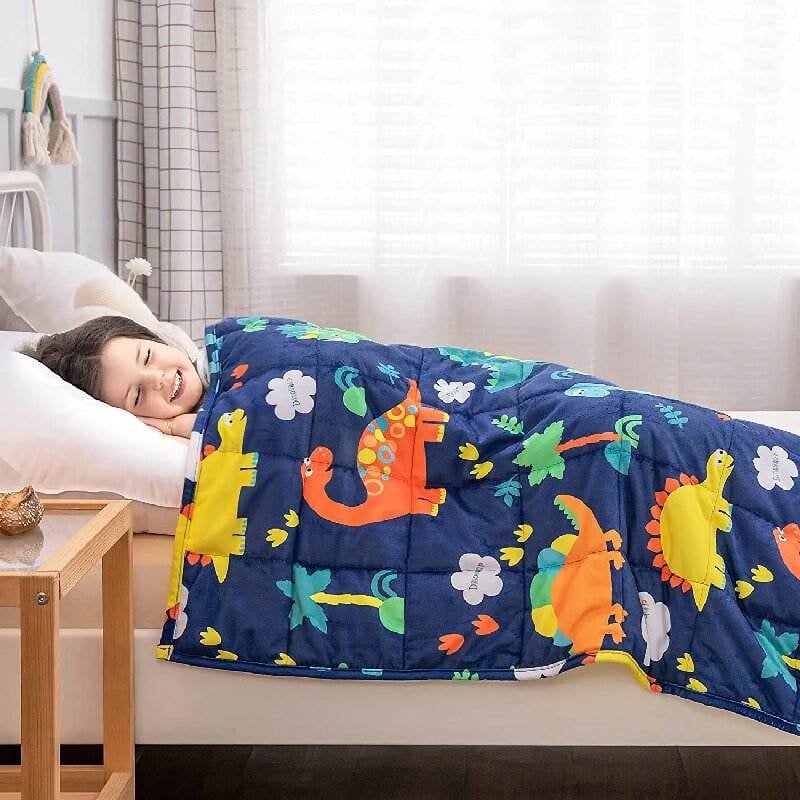
The therapeutic effectiveness of weighted blankets depends largely on finding the correct weight distribution for your body. Different weight options serve different purposes, populations, and comfort preferences. This guide walks you through the various weight categories and helps you understand how to select the ideal option for your situation.
Light-weight weighted blankets typically range from 3 to 7 pounds and serve specific populations effectively. These options are ideal for children, individuals with sensory sensitivities, and people who find heavier pressure overwhelming. Children generally benefit most from weights that represent approximately 10 percent of their body weight, making lighter options appropriate for younger users.
Light-weight weighted blankets provide gentle grounding sensation without creating a restrictive feeling. Many people with anxiety or autism spectrum conditions prefer this gentle pressure approach. The lighter weight also makes these blankets easier to manage during washing, storage, and daily use, which appeals to users seeking practical convenience alongside therapeutic benefits.
Medium-weight weighted blankets typically fall between 8 and 15 pounds, representing the most commonly recommended range for average-sized adults. This weight category aligns with the general rule that weighted blankets should constitute roughly 10 percent of your body weight, making them suitable for individuals weighing between 80 and 150 pounds. Medium-weight options balance therapeutic effectiveness with comfortable wearability.
These weighted blankets provide noticeable deep pressure stimulation without feeling excessively heavy or restrictive. Users often report improved sleep quality and reduced nighttime anxiety when using appropriately weighted blankets in this range. The medium category represents a sweet spot where most sleepers experience both comfort and measurable therapeutic benefit throughout the night.
Heavy-weight weighted blankets range from 16 to 30 pounds or beyond, designed for larger individuals or those seeking maximum therapeutic pressure. These options follow the same 10 percent body weight principle, making them suitable for adults weighing over 150 pounds. Heavy-weight weighted blankets create profound grounding sensation and intense pressure therapy.
The deep pressure from heavier weighted blankets can significantly reduce cortisol levels and promote parasympathetic nervous system activation. However, these weighted blankets require adequate physical capacity to manage them comfortably and sufficient bed support to prevent sagging. Users should ensure their bed frame can support the additional weight without compromising structural integrity or sleep quality.
Some consumers find success with multiple lightweight weighted blankets rather than single heavy units. This approach offers flexibility and allows couples with different weight preferences to maintain comfortable sleeping arrangements. Layering two 7-pound weighted blankets creates 14 pounds of therapeutic pressure while maintaining individual customization options.
Certain manufacturers offer weighted blankets with removable weight inserts, enabling users to adjust pressure levels as preferences evolve. This innovation addresses the challenge of changing needs and allows families to adapt weighted blankets for different household members. Customizable weighted blankets provide long-term value and extended usability across varying therapeutic requirements.
The fundamental principle guiding weighted blanket selection remains consistent: choose weight that represents approximately 10 percent of your body weight, plus or minus 1 pound for personal preference. This formula applies whether you select light-weight, medium-weight, or heavy-weight options. However, individual sensitivity, medical conditions, and sleep position should also influence your final decision.
Side sleepers often prefer slightly lighter weighted blankets to prevent shoulder and hip pressure points. Back sleepers typically find medium and heavier options most comfortable since weight distributes evenly. Stomach sleepers may experience restriction or breathing difficulties with heavy weighted blankets, making lighter options more suitable for prone sleeping positions.
Individuals with anxiety, depression, or sleep disorders may benefit from the specific weight category that best matches their therapeutic needs. Anxiety-focused users sometimes find lighter options sufficient for symptom relief, while others require heavier weighted blankets for meaningful impact. Sleep quality improvements often emerge within one to two weeks of consistent weighted blanket use at appropriate weights.
People with chronic pain conditions, fibromyalgia, or restless leg syndrome frequently discover that proper weighted blanket weight reduces nighttime discomfort significantly. Weighted blankets increase serotonin and melatonin production while decreasing cortisol, supporting multiple wellness pathways. Working with healthcare providers helps identify whether specific weight categories align with your therapeutic objectives and overall health strategy.
Select a weighted blanket weight equivalent to approximately 10 percent of your body weight. For a 150-pound adult, a 15-pound weighted blanket represents the ideal starting point. Personal preferences, sensitivity levels, and sleeping position may warrant minor adjustments within 1 to 2 pounds of this baseline recommendation.
Yes, excessively heavy weighted blankets can create discomfort, restrict movement, and reduce sleep quality rather than improve it. If your chosen weight exceeds recommended guidelines significantly or causes you to feel pinned down rather than supported, consider selecting a lighter option. The goal is deep pressure stimulation that feels comforting, not restrictive or overwhelming.
Lightweight weighted blankets can be effective for lighter-framed adults, those with sensory sensitivities, and individuals seeking gentle pressure therapy. If your body weight falls below 80 pounds or you prefer subtle sensation, light-weight options provide measurable therapeutic benefits without excessive pressure. Effectiveness depends on selecting the appropriate weight category for your specific body composition and therapeutic needs.

2026/11/02
Struggling to choose the right living room rugs? Avoid costly mistakes with expert insights on size, material, durability, style & care. Get your perfect rug.

2026/11/03
Worried about infant falls during crawling? Discover how cushioned baby play mats absorb impact, and support motor development. Get expert safety tips now.

2026/11/04
Struggling with messy spills and tummy time needs? Discover waterproof, sensory, and tummy-time-optimized play mat surface. Compare materials now.

2026/11/05
Can a kids play mat reduce noise? Discover how thickness, foam density & full coverage deliver real acoustic relief. Get the guide.

2026/11/06
Why do kids slip on tile, laminate & polished wood? Discover how premium non-slip play mats anchor securely AND absorb impact. Boost safety.

2026/11/09
Tired of scrubbing stains and battling odors? Discover the 5 key kids play mat features—waterproof surfaces, washable covers, non-slip grip. See what makes maintenance effortless.

