 EN

What Should Buyers Know Before Ordering Living Room Rugs?
2026/11/02
Struggling to choose the right living room rugs? Avoid costly mistakes with expert insights on size, material, durability, style & care. Get your perfect rug.
Keeping your tummy time mat clean is essential for your baby's health and safety, but many parents worry about damaging the material during cleaning. A tummy time mat provides cushioned support during crucial developmental stages, and proper maintenance ensures it remains soft, hygienic, and long-lasting. Understanding the right cleaning methods prevents material degradation while eliminating bacteria, spills, and everyday dirt that accumulate on these frequently used items.
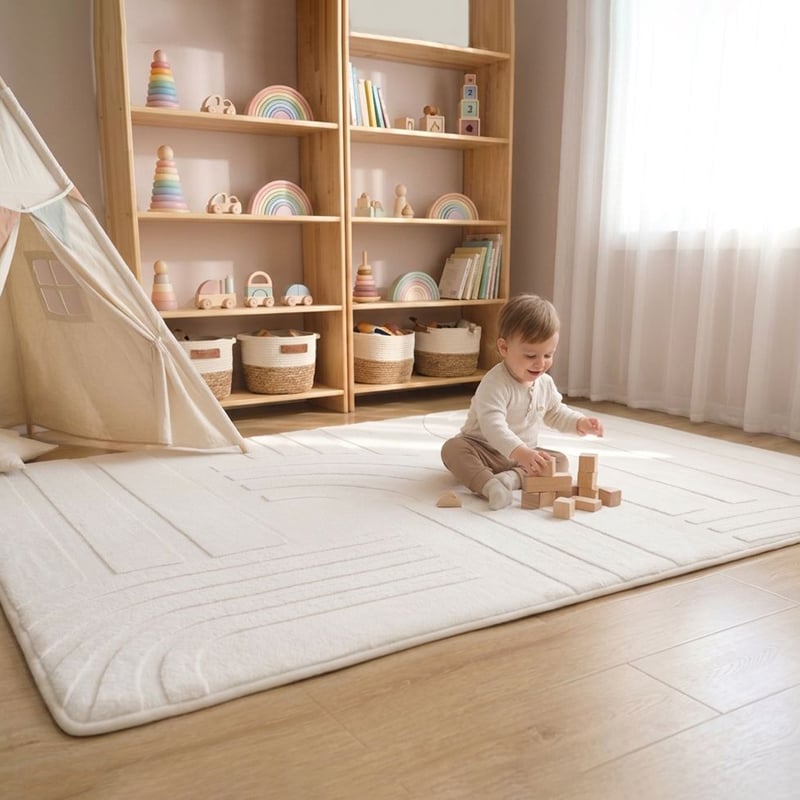
An infant sensory mat serves as a dedicated space for your baby to explore textures and build strength, making regular cleaning a non-negotiable part of ownership. The challenge lies in balancing effective sanitization with material preservation, since harsh chemicals and excessive moisture can fade colors, compromise cushioning, or affect the tactile qualities that make an easy clean baby mat so valuable. This guide walks you through proven cleaning strategies that protect your cushioned baby mat while ensuring it remains a safe, welcoming surface for your growing infant.
Before cleaning any infant sensory mat, determining the exact material composition is critical. Most modern easy clean baby mats use microfiber, cotton blends, polyester, or faux fur surfaces, each requiring slightly different approaches. Check the manufacturer's care label or documentation that came with your cushioned baby mat, as these guidelines provide material-specific washing temperatures, drying methods, and forbidden chemicals. Understanding whether your mat is machine-washable, hand-wash-only, or surface-clean-only prevents costly mistakes that could damage the mat permanently.
Faux fur and plush tummy time mats are popular but sensitive to high heat and harsh agitation, which can mat down fibers and reduce the tactile appeal essential for baby development. Cotton-based mats tolerate more aggressive washing but may shrink if exposed to excessive heat. Polyester blends offer durability and are generally forgiving, though repeated hot water exposure can fade colors over time. Your baby development mat's specific material determines whether you should use cold water, warm water, or spot-cleaning methods exclusively.
The fastest way to prevent stains from setting into your cushioned baby mat is immediate spot treatment. For milk spills, formula, or minor food residue, blot the area gently with a soft cloth and cool water, avoiding rubbing motions that push the liquid deeper into the fibers. For an easy clean baby mat, this rapid response prevents bacterial growth and staining. Keep a dedicated cloth and mild baby-safe soap nearby during tummy time sessions so you can address accidents before they become embedded in the infant sensory mat's surface.
Hand washing is the safest approach for most plush and faux fur tummy time mat models. Fill a basin with lukewarm water and add a small amount of gentle baby detergent or mild soap, then submerge the mat if it's portable or soak the affected sections. Gently agitate the water and mat for two to three minutes, allowing the soapy water to lift dirt without aggressive scrubbing. Rinse thoroughly with clean lukewarm water until soap residue disappears completely, then gently squeeze out excess water without wringing, which can damage the cushioned baby mat's structural integrity.
Some cushioned baby mats and baby development mats are machine-washable, but protection is essential. Place your tummy time mat inside a mesh laundry bag to reduce agitation and friction during the wash cycle. Select the delicate or gentle cycle with cold water, avoiding hot water that degrades fabric colors and material elasticity. Use only mild, fragrance-free baby detergent and skip fabric softeners, which leave residues that may irritate infant skin. Verify your mat's care instructions before choosing this method, as some easy clean baby mat designs degrade in machines despite marketing claims.
Air drying is the safest drying method for protecting your tummy time mat's quality and longevity. Lay the mat flat on a clean surface or hang it in a well-ventilated area away from direct sunlight, which can fade colors on your infant sensory mat over time. Avoid positioning the mat near heating vents or direct heat sources that can damage the cushioned baby mat's elasticity. Flip the mat occasionally if drying flat to ensure even moisture evaporation throughout the baby development mat. Complete air drying typically takes 12 to 24 hours depending on thickness and humidity levels.
Machine drying is generally unsafe for easy clean baby mats because heat damages sensitive fibers, shrinks material, and can melt synthetic components used in cushioned construction. Even low-heat settings risk damaging the mat's structural integrity or altering its sensory qualities. If you must use a dryer, select the lowest possible temperature and remove the mat while still slightly damp, completing the drying process in air. For most families, accepting the longer air-drying timeline protects the tummy time mat investment better than risking permanent heat damage.
Regular light maintenance reduces how often your baby development mat requires deep cleaning. Vacuum the mat weekly using an upholstery attachment to remove dust, pet hair, and loose debris without damaging the cushioned baby mat's surface. For quick refreshment between cleanings, lightly spray the tummy time mat with a fabric freshener designed for baby products, then let it air out for several hours. These practices keep your infant sensory mat fresh while extending the interval between intensive cleaning sessions that stress the material.
Placement strategy prevents many common soiling scenarios on your easy clean baby mat. Use your tummy time mat on wipeable surfaces rather than carpeting when possible, making accidental spills easier to manage. Consider placing a protective barrier or mat protector beneath your cushioned baby mat if it sits on surfaces prone to staining or moisture. Keep the mat away from high-traffic areas where shoes or pets might introduce dirt, and establish a simple rule that only clean hands and bare feet make direct contact with the tummy time mat's surface during developmental activities.
No, bleach and harsh chemicals should never be used on any baby development mat, infant sensory mat, or cushioned baby mat. These substances can damage fibers, create toxic residues that harm your baby's skin, and degrade the material's protective qualities. Stick to mild baby-safe detergents and natural cleaning solutions like diluted white vinegar for stubborn odors on your easy clean baby mat. Always verify that any cleaning product is explicitly safe for baby products before applying it to your tummy time mat.
Most families should deep clean their cushioned baby mat every two to four weeks, depending on usage frequency and visible soiling. Babies who spend extended time on their tummy time mat may require more frequent deep cleaning, while mats used occasionally need less frequent attention. Light spot cleaning and vacuuming should happen weekly to maintain hygiene between deep cleaning sessions on your easy clean baby mat. Regular deep cleaning maintains the baby development mat's hygienic properties and ensures it remains a safe developmental surface for your infant.
Persistent odors on your infant sensory mat often indicate bacterial growth or trapped moisture. Spray the mat with a diluted white vinegar solution (one part vinegar to three parts water), then allow it to air dry completely in sunlight, which naturally eliminates odor-causing bacteria on your cushioned baby mat. If the odor persists after vinegar treatment and air drying, hand wash your tummy time mat with mild detergent and ensure it dries fully, as incomplete drying causes mildew smells. For stubborn cases on your baby development mat, allow several days of outdoor air exposure or consider replacing the easy clean baby mat if odor affects its usability.

2026/11/02
Struggling to choose the right living room rugs? Avoid costly mistakes with expert insights on size, material, durability, style & care. Get your perfect rug.

2026/11/03
Worried about infant falls during crawling? Discover how cushioned baby play mats absorb impact, and support motor development. Get expert safety tips now.

2026/11/04
Struggling with messy spills and tummy time needs? Discover waterproof, sensory, and tummy-time-optimized play mat surface. Compare materials now.

2026/11/05
Can a kids play mat reduce noise? Discover how thickness, foam density & full coverage deliver real acoustic relief. Get the guide.

2026/11/06
Why do kids slip on tile, laminate & polished wood? Discover how premium non-slip play mats anchor securely AND absorb impact. Boost safety.

2026/11/09
Tired of scrubbing stains and battling odors? Discover the 5 key kids play mat features—waterproof surfaces, washable covers, non-slip grip. See what makes maintenance effortless.

