 EN

What Should Buyers Know Before Ordering Living Room Rugs?
2026/11/02
Struggling to choose the right living room rugs? Avoid costly mistakes with expert insights on size, material, durability, style & care. Get your perfect rug.
Floor protection is a critical concern for homeowners, facility managers, and business owners who want to preserve surfaces and ensure safety. A foam mat serves as one of the most effective solutions for preventing floor damage while providing comfort and stability. Unlike hard flooring alone, foam mats create a protective barrier that absorbs impact, reduces wear patterns, and extends the lifespan of underlying surfaces significantly.
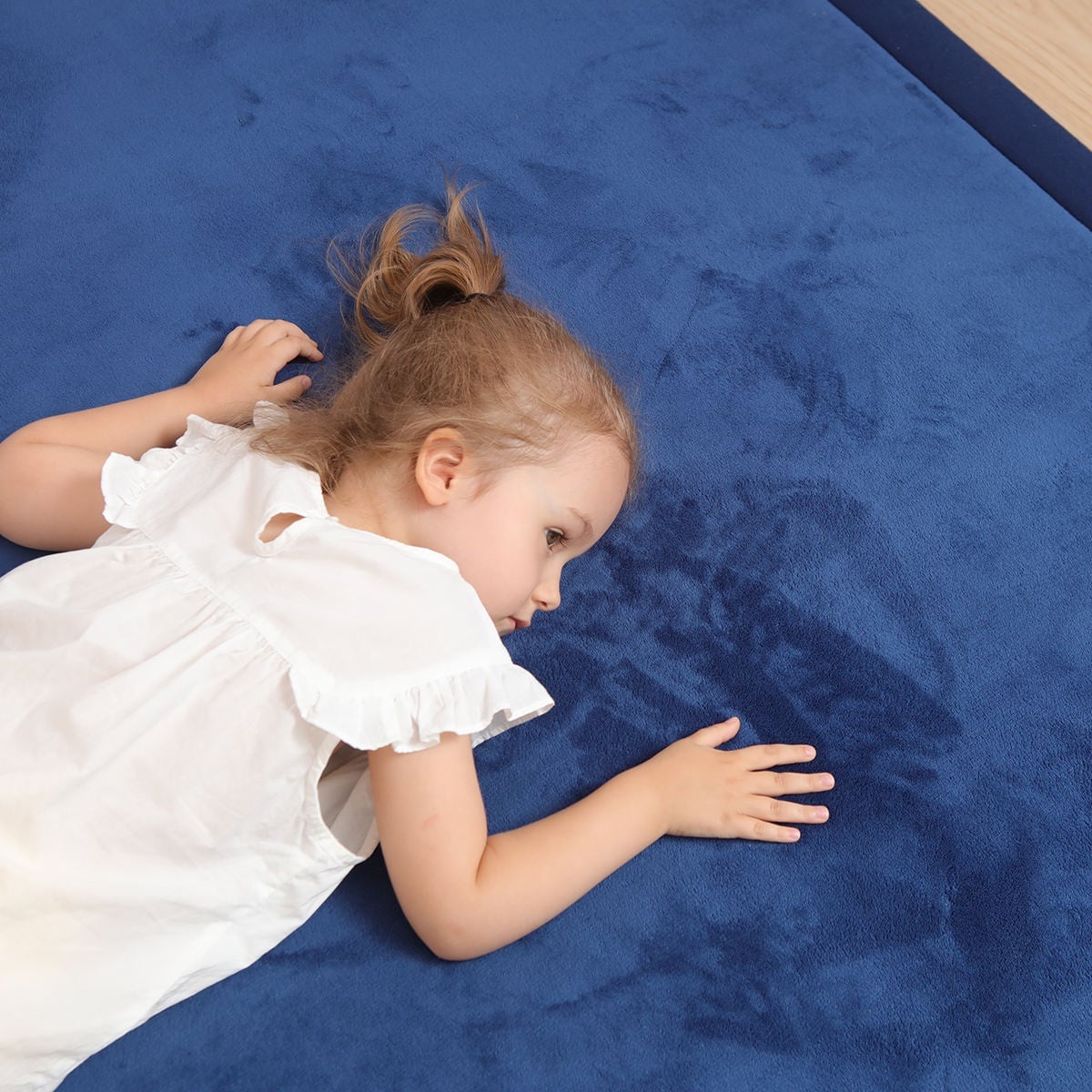
The mechanics of floor protection through foam mat application involve multiple protective mechanisms working in concert. When weight or force is applied to a foam mat, the cellular structure distributes pressure across a wider surface area rather than concentrating it on a single point. This distribution significantly reduces the stress placed on the underlying floor, whether it is hardwood, tile, concrete, or laminate material. The result is measurable reduction in scratches, dents, staining, and structural degradation over time.
The foam mat construction utilizes open-cell or closed-cell foam technology designed to compress under load and then recover its shape. This elasticity allows the foam mat to absorb sudden impacts from dropped objects, foot traffic, or moving equipment without transmitting that force directly to the floor beneath. Industrial facilities, fitness centers, and homes with active environments benefit substantially from this shock-absorption capability because it prevents sudden damage events that hard surfaces cannot tolerate.
Pressure distribution is equally important in the floor protection equation. When a heavy object sits on a foam mat, the material spreads the load across its surface rather than allowing a concentrated point of pressure. This principle is why foam mat solutions are preferred in areas with rolling equipment, furniture legs, or repetitive foot traffic patterns. The thicker the foam mat, the greater the pressure distribution capacity, making thickness selection a key decision factor.
Material density directly influences how effectively a foam mat protects your floor. Higher-density foam mats provide better support and durability while maintaining cushioning properties. Lower-density options offer more comfort but may require replacement sooner in high-traffic areas. When selecting a foam mat for floor protection, matching the density to your specific use case ensures optimal performance. Residential applications typically require different density levels than commercial or industrial settings where heavier loads and continuous use are standard.
Continuous exposure to foot traffic, wheeled equipment, and environmental factors deteriorates unprotected floors rapidly. A foam mat creates a protective layer that shields the underlying surface from direct contact with these wear-causing elements. Hardwood floors maintain their finish longer, tile surfaces resist cracking and scratching, and concrete floors show reduced surface degradation when protected by a quality foam mat. This preservation directly translates to lower maintenance costs and less frequent floor refinishing or replacement needs.
The wear resistance provided by foam mat solutions extends beyond surface-level protection. The mat also prevents moisture penetration in some foam formulations, reducing the risk of water damage, mold growth, and structural compromise. In basements, kitchens, or commercial facilities prone to spills, selecting a foam mat with moisture-resistant properties adds another protective dimension. Over a five-to-ten-year period, the cumulative benefit of foam mat protection becomes financially significant as it delays or eliminates major floor restoration projects.
Protected floors require less intensive maintenance than exposed surfaces. A foam mat reduces the frequency of deep cleaning, refinishing, and repair work necessary to maintain floor appearance and function. Dust and debris accumulate on the foam mat surface rather than embedding into floor material, making regular cleaning simpler and more effective. For business owners and facility managers, this maintenance reduction translates directly into lower labor costs and operational efficiency gains throughout facility lifecycle.
Beyond floor protection, foam mat solutions enhance safety by providing slip resistance and fall impact mitigation. The textured surface of most foam mat products increases friction between footwear and the mat, reducing slip incidents in areas prone to moisture or spills. When falls do occur, the cushioning properties of the foam mat significantly reduce injury severity compared to impacts on hard flooring. Healthcare facilities, schools, and senior living communities prioritize foam mat installation specifically for this safety benefit.
The comfort factor of foam mat use should not be underestimated in long-term facility planning. Employees standing on foam mat surfaces experience reduced foot and leg fatigue, leading to improved productivity and lower worker compensation claims. In retail environments, customer experience improves when foam mat solutions reduce the foot stress associated with extended shopping periods. This combination of safety and comfort makes foam mat implementation a sound investment beyond its primary floor protection function.
Different environments require different foam mat specifications to achieve optimal floor protection and safety outcomes. Gyms and fitness areas need foam mat products that withstand equipment impact and moisture from sweat. Kitchens and food service areas require foam mat solutions with antimicrobial properties and easy-clean surfaces. Playrooms and children's spaces demand foam mat materials that are non-toxic and certified safe for young users. When selecting a foam mat for your specific application, understanding environmental demands ensures proper protection and longevity.
Hardwood, laminate, and vinyl plank flooring benefit significantly from foam mat protection because these materials are vulnerable to scratching, denting, and moisture damage. Concrete floors in commercial spaces benefit from impact protection and reduced fatigue for workers. Tile floors are protected from cracking and breaking when a foam mat prevents concentrated weight and impact forces. Even carpeted areas can use foam mat underlayment to extend carpet life and improve comfort. The universal applicability of foam mat solutions makes them suitable across residential, commercial, and industrial floor types.
Thickness selection depends on the specific floor protection challenges in your environment. High-traffic commercial areas typically require thicker foam mat products ranging from three-quarter inches to one inch or more. Residential applications often perform well with one-quarter to one-half inch foam mat thickness. Industrial facilities with heavy equipment may need specialized foam mat solutions exceeding one inch. Consulting usage patterns and expected load requirements helps determine the optimal foam mat thickness for your floor protection strategy.
Many modern foam mat products incorporate moisture-resistant or waterproof materials specifically engineered for wet environments. Closed-cell foam mat options prevent water absorption and reduce mold or mildew growth in kitchens, bathrooms, and commercial cleaning areas. However, not all foam mat products are suitable for constant water exposure, so selecting marine-grade or waterproof foam mat variants is essential for wet-environment floor protection. Proper installation and drainage considerations enhance the floor protection performance of foam mat solutions in moisture-prone spaces.

2026/11/02
Struggling to choose the right living room rugs? Avoid costly mistakes with expert insights on size, material, durability, style & care. Get your perfect rug.

2026/11/03
Worried about infant falls during crawling? Discover how cushioned baby play mats absorb impact, and support motor development. Get expert safety tips now.

2026/11/04
Struggling with messy spills and tummy time needs? Discover waterproof, sensory, and tummy-time-optimized play mat surface. Compare materials now.

2026/11/05
Can a kids play mat reduce noise? Discover how thickness, foam density & full coverage deliver real acoustic relief. Get the guide.

2026/11/06
Why do kids slip on tile, laminate & polished wood? Discover how premium non-slip play mats anchor securely AND absorb impact. Boost safety.

2026/11/09
Tired of scrubbing stains and battling odors? Discover the 5 key kids play mat features—waterproof surfaces, washable covers, non-slip grip. See what makes maintenance effortless.

