 EN

What Should Buyers Know Before Ordering Living Room Rugs?
2026/11/02
Struggling to choose the right living room rugs? Avoid costly mistakes with expert insights on size, material, durability, style & care. Get your perfect rug.
A foam mat serves as a foundational tool in modern child development and active play environments. Whether in homes, daycare centers, gymnastics facilities, or educational settings, the foam mat provides a protective yet supportive surface that enables children to explore movement, build confidence, and engage in physical activities safely. Understanding how a foam mat functions within children's routines reveals why it has become an essential component of early childhood spaces and developmental programs.
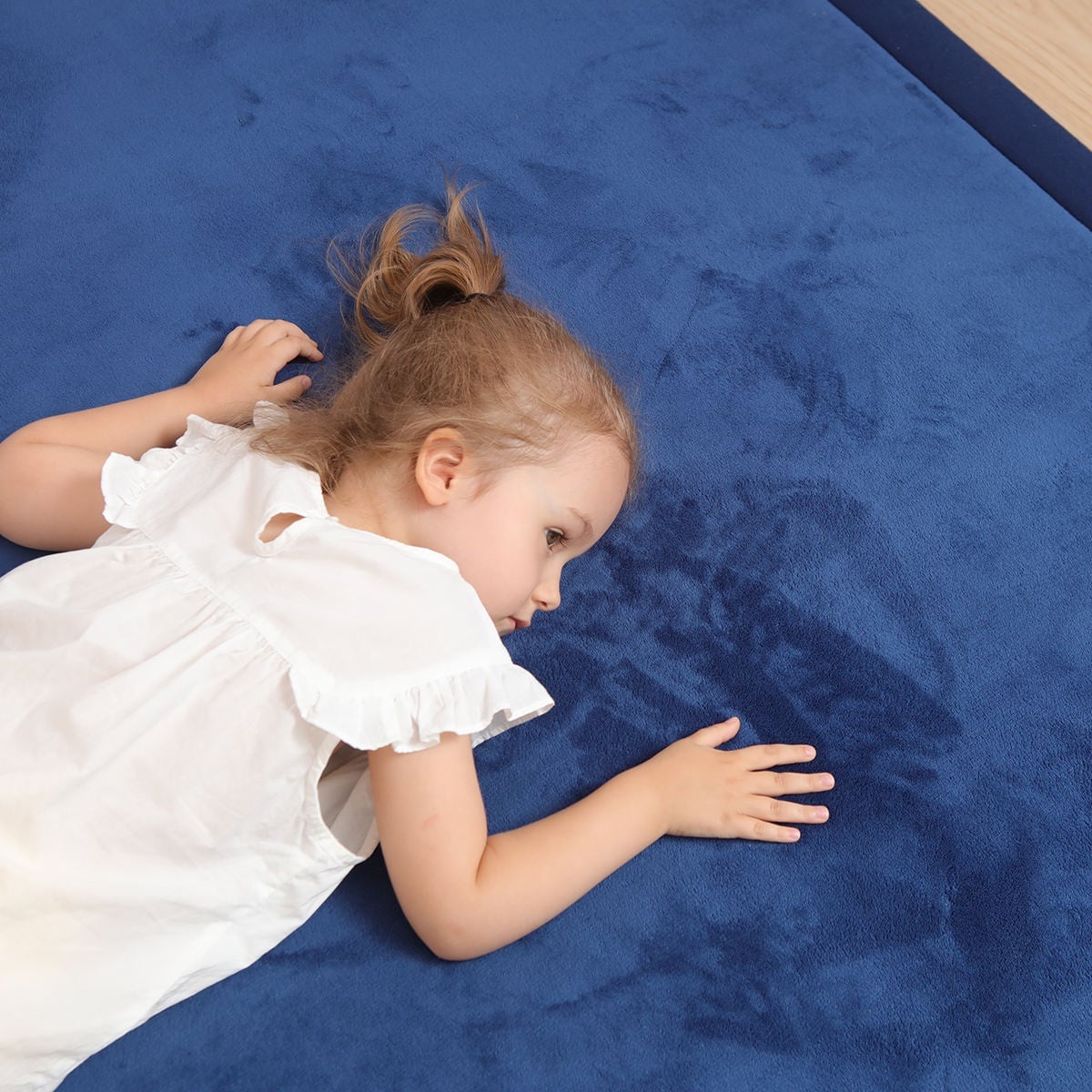
The foam mat's role extends beyond simple cushioning. It creates an environment where children can develop motor skills, spatial awareness, and physical confidence while reducing injury risk. A well-chosen foam mat balances impact absorption, stability, and durability, making it suitable for diverse activities ranging from tumbling exercises to quiet floor-based learning. Parents, educators, and activity coordinators increasingly recognize that selecting an appropriate foam mat directly influences both safety outcomes and the quality of children's developmental experiences.
The primary safety function of a foam mat lies in its ability to absorb impact energy during falls and active movements. Children naturally experiment with balance, jumping, rolling, and climbing as part of their developmental process. When these activities occur on hard surfaces, the risk of head injuries, fractures, and contusions increases significantly. A foam mat provides a cushioning layer that disperses force across a wider area, reducing peak impact stress on bones and joints. The foam material's cellular structure compresses upon contact, then gradually returns to its original form, creating a forgiving surface that protects vulnerable young bodies while still providing enough firmness to support movement and balance development.
Beyond simple cushioning, a quality foam mat maintains consistent surface stability that prevents children from sinking excessively or losing control. Unlike overly soft surfaces, a properly engineered foam mat supports weight distribution evenly, allowing children to maintain balance and execute movements with confidence. The mat's edges and boundaries also help contain falls, preventing children from rolling off onto harder flooring. In organized activity settings such as gymnastics classes or movement therapy sessions, the foam mat defines a safe zone where instructors can confidently guide children through structured exercises knowing the surface will respond predictably to each child's weight and movement intensity.
Children develop motor skills through graduated physical challenges that build upon one another. A foam mat enables this progression by providing a safe environment for experimentation. Young children first learn to sit, crawl, and eventually stand and walk on foam mats without fear of severe consequences from loss of balance. As children grow, the same foam mat supports more complex movements such as tumbling, rolling, bridging, and coordinated group play. The surface gives children permission to try new movements, fail safely, and retry until mastery develops. Physical therapists and occupational therapists frequently recommend foam mats as part of structured developmental programs because they measurably increase children's willingness to attempt challenging movements, directly accelerating motor skill acquisition.
Movement on a foam mat helps children develop proprioceptive awareness—the ability to sense body position and movement in space. The tactile feedback from the mat's surface, combined with the slightly different movement dynamics compared to hard floors, trains children's nervous systems to calibrate balance and coordination. Children learn how their bodies move, where their limbs extend, and how to recover from loss of balance. This embodied learning creates neural pathways that support not only physical activities but also fine motor control, handwriting development, and overall coordination in daily life tasks.
A foam mat functions as a visual and physical boundary that helps children understand activity expectations and transitions. In classroom or home settings, placing activities on a mat signals to children that specific behaviors are expected in that space. This clear delineation reduces behavioral disruptions and helps children with sensory processing needs feel more organized and controlled. The tactile experience of moving onto and across a foam mat also provides sensory input that helps calm overstimulated children while alerting lethargic children, making it a valuable tool in sensory-informed educational environments.
The surface texture of a foam mat provides proprioceptive and tactile input that supports sensory integration—the brain's ability to process and organize sensory information. Different foam mat densities and surface finishes offer varying degrees of tactile stimulation. Children benefit from the combination of the mat's gentle cushioning effect with its textured surface, which sends organizing signals to the nervous system. For children with autism, sensory processing disorder, or other conditions affecting sensory integration, a foam mat becomes a therapeutic tool that supports both physical activity and neurological development simultaneously.
In residential settings, a foam mat transforms living spaces into child-safe activity zones. Parents can confidently allow children to practice rolling, crawling, jumping, and other movements knowing the foam mat reduces injury risk. Home foam mats also delineate space for structured activities such as yoga, stretching, or guided movement games. The mat's portability means families can create different activity arrangements throughout the home, adapting spaces as children grow and developmental priorities shift. Many parents find that introducing a foam mat increases children's independent physical play because the safety foundation reduces parental anxiety, allowing children greater freedom to explore movement naturally.
Schools, physical therapy clinics, occupational therapy offices, and gymnastics centers rely on foam mats as essential infrastructure for structured developmental programming. In these settings, foam mats enable standardized protocols for movement education, rehabilitation, and skill training. Physical therapists use foam mats to safely guide children through exercises targeting specific motor deficits or movement disorders. Teachers incorporate foam mats into gross motor development curricula. The consistency and quality standards of institutional-grade foam mats support evidence-based practice and measurable developmental outcomes for children across various ability levels and age ranges.
Appropriate foam mat thickness typically ranges from one to three inches, depending on the child's age and activity intensity. Younger children and lower-impact activities require less thickness, while older children and high-intensity movements such as tumbling benefit from greater cushioning depth. The foam mat should compress slightly under a child's weight but maintain enough firmness to support balance and movement control. Professional guidelines recommend consulting with physical therapists or activity specialists to determine the optimal foam mat thickness for specific developmental stages and activity types.
A foam mat provides controlled sensory input that helps organize and regulate children's nervous systems. The tactile and proprioceptive feedback from the foam mat's surface and compression characteristics can calm children experiencing sensory overload while providing alerting input for children with low sensory responsiveness. The clear physical boundary of a foam mat also reduces environmental unpredictability, which benefits children who struggle with sensory processing. Many occupational therapists incorporate foam mats into sensory integration therapy specifically because the material provides predictable, organizing sensory feedback that supports self-regulation.
Yes, a foam mat's versatility makes it suitable for diverse activity types. The same mat that supports jumping and rolling can accommodate quiet floor-based learning, story time, yoga, or meditation activities. The mat's presence signals to children that purposeful activity will occur in that space, whether physically active or calm and focused. This versatility makes foam mats efficient investments for families and institutions serving children because a single quality mat supports multiple developmental and educational functions throughout the day.

2026/11/02
Struggling to choose the right living room rugs? Avoid costly mistakes with expert insights on size, material, durability, style & care. Get your perfect rug.

2026/11/03
Worried about infant falls during crawling? Discover how cushioned baby play mats absorb impact, and support motor development. Get expert safety tips now.

2026/11/04
Struggling with messy spills and tummy time needs? Discover waterproof, sensory, and tummy-time-optimized play mat surface. Compare materials now.

2026/11/05
Can a kids play mat reduce noise? Discover how thickness, foam density & full coverage deliver real acoustic relief. Get the guide.

2026/11/06
Why do kids slip on tile, laminate & polished wood? Discover how premium non-slip play mats anchor securely AND absorb impact. Boost safety.

2026/11/09
Tired of scrubbing stains and battling odors? Discover the 5 key kids play mat features—waterproof surfaces, washable covers, non-slip grip. See what makes maintenance effortless.

