 EN

What Should Buyers Know Before Ordering Living Room Rugs?
2026/11/02
Struggling to choose the right living room rugs? Avoid costly mistakes with expert insights on size, material, durability, style & care. Get your perfect rug.
A weighted blanket has become increasingly recognized as a powerful tool for promoting relaxation and improving sleep quality. Unlike standard bedding, a weighted blanket uses gentle, distributed pressure across the body to create a calming effect similar to a therapeutic embrace. This pressure-based design addresses the growing need for natural, non-pharmaceutical relaxation solutions in today's high-stress environment. Understanding how this specialized bedding works can help individuals and families make informed decisions about incorporating it into their wellness routines.
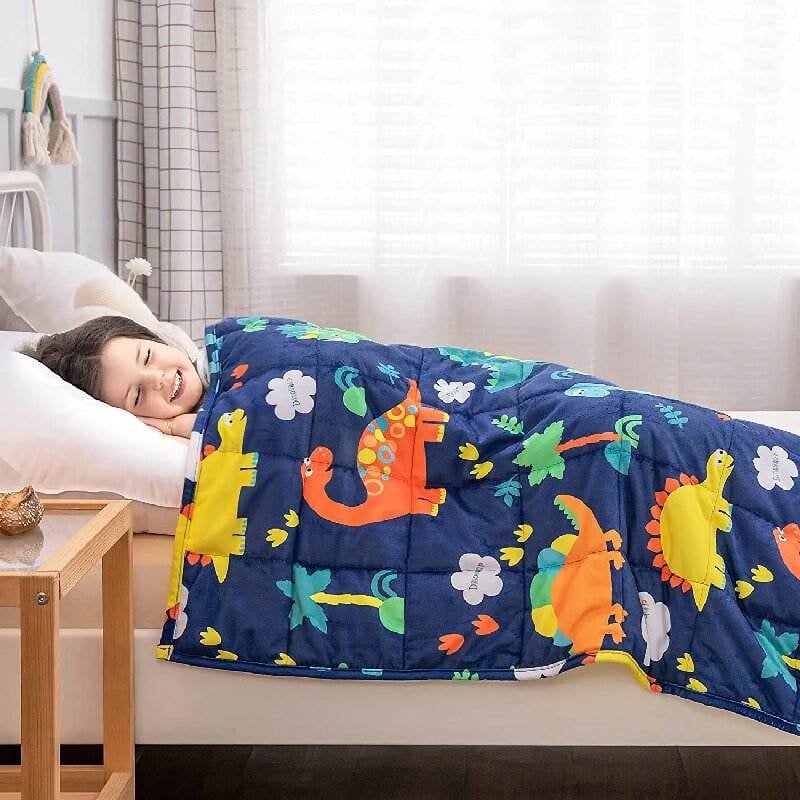
The science behind a weighted blanket centers on deep pressure stimulation, a therapeutic principle that has been studied for decades in sensory and behavioral research. When evenly distributed weight presses gently against the body, it activates the parasympathetic nervous system, which is responsible for rest, recovery, and relaxation responses. This physiological shift can reduce cortisol levels, lower heart rate, and promote the natural production of serotonin and melatonin—hormones essential for restful sleep and emotional regulation. For individuals seeking reliable relaxation methods without medication, understanding these mechanisms reveals why a weighted blanket has gained credibility in both residential and clinical settings.
A weighted blanket functions through a principle called deep pressure touch therapy, which involves applying moderate, consistent pressure across the entire body surface. The ideal weighted blanket typically ranges from 5 to 30 pounds, depending on body weight and personal preference. When this distributed weight settles on the body, it stimulates pressure receptors in the skin and underlying tissues, sending calming signals directly to the central nervous system. This sensory input mimics the biological response to swaddling or gentle compression, which humans naturally find comforting across all age groups. The consistent pressure from a weighted blanket helps quiet racing thoughts and physical restlessness by engaging the body's natural relaxation pathways.
Research on users of a weighted blanket shows measurable changes in stress biomarkers within minutes of use. Heart rate variability typically increases, indicating improved nervous system balance, while blood pressure often decreases slightly. The production of oxytocin—the 'bonding hormone'—increases during weighted blanket use, which simultaneously reduces anxiety signals in the brain. Cortisol, the primary stress hormone, drops more rapidly when using a weighted blanket compared to regular bedding, especially during the first hour of sleep. These physiological shifts combine to create an optimal internal environment for deep, restorative rest and genuine relaxation.
Many individuals turn to a weighted blanket as part of their daily relaxation routine, using it not only at night but also during daytime rest periods or moments of high stress. The calming effect of a weighted blanket can be particularly valuable for people managing anxiety, ADHD symptoms, or general mental fatigue. By applying consistent, gentle pressure, this type of blanket creates a contained, safe sensation that counteracts the 'fight or flight' response triggered by modern stressors. Users consistently report feeling more grounded and emotionally centered after spending time under a weighted blanket. This accessible relaxation tool offers a practical alternative or complement to other stress-management techniques.
Sleep quality directly depends on the body's ability to transition smoothly into deep sleep stages, a process where a weighted blanket excels. The pressure input from a weighted blanket signals the body that it is safe to relax, allowing the mind to disengage from worries and transition into restorative sleep. Users frequently report falling asleep faster, experiencing fewer nighttime awakenings, and waking more refreshed when using a weighted blanket regularly. The consistent sensory input prevents the restless tossing and turning that interrupts sleep cycles, allowing the body to spend more time in the deepest, most restorative sleep phases. Over time, consistent weighted blanket use can establish healthier sleep patterns and improve overall rest quality.
Choosing an appropriate weighted blanket requires understanding personal needs and body characteristics. General guidelines suggest selecting a weighted blanket at approximately 10 percent of body weight, though individual preferences vary significantly. A lighter weighted blanket might be ideal for children, smaller adults, or those new to deep pressure stimulation, while heavier options suit larger individuals seeking more pronounced pressure sensation. Testing different weights before committing to a purchase ensures the selected weighted blanket provides genuine comfort rather than feeling restrictive or overwhelming. Personal comfort remains the primary factor in determining whether a weighted blanket will effectively support relaxation and sleep quality.
A quality weighted blanket combines effective weight distribution with comfortable, breathable materials that enhance rather than hinder relaxation. Minky fabrics, cotton blends, and specialized sensory textiles offer different tactile experiences, allowing users to select materials that align with personal preferences and sensory sensitivities. The internal weight distribution system—whether using glass beads, plastic pellets, or other materials—affects how evenly pressure distributes across the body and how durable the weighted blanket remains through extended use. Proper care, including regular washing and maintenance, extends the lifespan of a weighted blanket and preserves its relaxation benefits over years of use. Investing in a well-constructed weighted blanket ensures consistent, reliable support for relaxation and rest.
Yes, many individuals with insomnia find significant relief using a weighted blanket. The deep pressure stimulation creates conditions favorable for sleep onset and continuation. However, persistent insomnia may require a comprehensive approach combining a weighted blanket with other strategies like sleep hygiene practices and professional guidance if needed.
A weighted blanket can benefit children, adults, and seniors, though weight and material selection should match individual needs. Children under 3 years old should not use a weighted blanket due to safety considerations. For older adults and individuals with specific health conditions, consulting healthcare providers ensures a weighted blanket use aligns with individual circumstances.
Some users experience immediate calming effects upon using a weighted blanket for the first time, while others require one to two weeks of consistent use to recognize noticeable improvements in relaxation and sleep. Regular use strengthens the relaxation response, making the benefits increasingly pronounced over time as the body adapts to the deep pressure stimulation.

2026/11/02
Struggling to choose the right living room rugs? Avoid costly mistakes with expert insights on size, material, durability, style & care. Get your perfect rug.

2026/11/03
Worried about infant falls during crawling? Discover how cushioned baby play mats absorb impact, and support motor development. Get expert safety tips now.

2026/11/04
Struggling with messy spills and tummy time needs? Discover waterproof, sensory, and tummy-time-optimized play mat surface. Compare materials now.

2026/11/05
Can a kids play mat reduce noise? Discover how thickness, foam density & full coverage deliver real acoustic relief. Get the guide.

2026/11/06
Why do kids slip on tile, laminate & polished wood? Discover how premium non-slip play mats anchor securely AND absorb impact. Boost safety.

2026/11/09
Tired of scrubbing stains and battling odors? Discover the 5 key kids play mat features—waterproof surfaces, washable covers, non-slip grip. See what makes maintenance effortless.

