 EN

What Should Buyers Know Before Ordering Living Room Rugs?
2026/11/02
Struggling to choose the right living room rugs? Avoid costly mistakes with expert insights on size, material, durability, style & care. Get your perfect rug.
Choosing the right thickness for your baby's play mat is one of the most overlooked yet important decisions for your child's comfort and safety during daily play. A baby play mat serves as both a protective cushion and a clean, designated space where your little one can explore, develop motor skills, and engage with toys. The thickness directly impacts support, portability, durability, and how well the mat protects your baby from hard floors during crawling, rolling, and active play sessions.
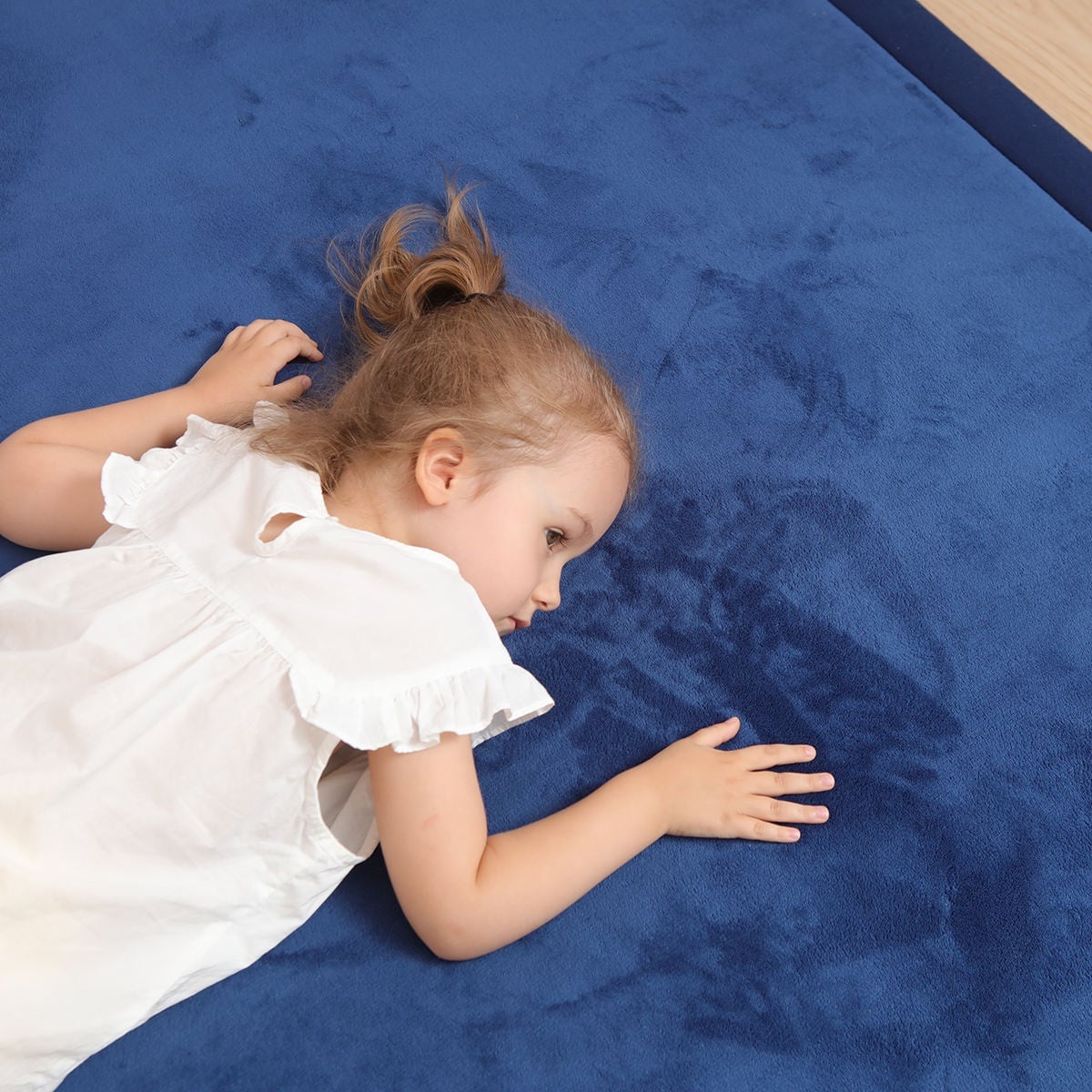
The ideal thickness for a baby play mat typically ranges from half an inch to one inch, depending on your specific needs and living situation. This range provides sufficient cushioning to protect your baby from falls and impact while remaining portable enough for everyday use. Understanding the relationship between mat thickness, functionality, and practical maintenance helps you select a baby floor mat that will serve your family reliably throughout your child's early development stages.
A cushioned baby mat with adequate thickness absorbs impact effectively, reducing the risk of injury during tumbles and falls. For infants learning to sit and roll, a mat thickness of approximately half an inch provides gentle support without being overly soft, which could compromise stability. As babies progress to crawling and standing, slightly thicker mats—around three-quarters to one inch—offer enhanced shock absorption while maintaining enough firmness for proper posture development.
The density and material composition of your cushioned baby mat matter as much as the thickness itself. High-density foam or memory foam materials provide superior support compared to thinner, low-density alternatives. When selecting a mat for daily play, prioritize mats that balance softness with structural integrity, ensuring your baby has a safe, responsive surface that encourages natural movement patterns.
Daily play sessions expose babies to frequent falls, bumps, and impacts as they develop coordination and confidence. A baby play mat between three-quarters and one inch thick effectively reduces the force transmitted to your baby's body during these inevitable collisions. This thickness range is particularly beneficial for wooden or tile floors, where a thin mat would offer minimal protection against hard surfaces.
Research in child safety suggests that mat thickness directly correlates with injury prevention rates. Pediatricians often recommend choosing the thickest practical mat your household can accommodate, as the additional cushioning provides measurable safety benefits without creating developmental concerns. When your baby spends several hours daily on the mat, this protective layer becomes a critical investment in both comfort and peace of mind.
While thicker mats offer superior cushioning, they can be heavier and bulkier than thinner alternatives, affecting how easily you can move, fold, or store your baby floor mat. A half-inch to three-quarter-inch mat represents the sweet spot for most households, providing meaningful protection while remaining manageable for daily repositioning. Consider your living space, whether you'll transport the mat frequently, and how often you need to clean or air out the mat when deciding on optimal thickness.
For families with limited space or those who frequently move the mat between rooms, a waterproof baby play mat at three-quarters inch thickness offers an excellent balance. This dimension provides adequate cushioning for daily play while remaining compact enough to fit closets, slide under furniture, or transport to caregivers' homes. The weight remains reasonable for one person to manage, ensuring the mat doesn't become a burden to maintain.
Thicker mats generally exhibit superior durability because the additional material provides better resistance to compression and wear patterns that develop over time. An easy clean play mat made from thicker, high-quality materials will maintain its cushioning properties longer than thin, budget alternatives. Investing in a thicker baby play mat often proves more cost-effective when amortized across the years of daily use from newborn through toddler stages.
Material quality becomes increasingly important as mat thickness increases. A waterproof baby play mat constructed from premium foam resists absorbing moisture, odors, and stains that accumulate during daily play. Thicker construction combined with quality materials creates a mat that withstands frequent cleaning, spills, and the rigorous demands of active toddlers while maintaining shape and functionality.
A waterproof baby play mat with appropriate thickness prevents liquid penetration while maintaining easy cleaning routines. Thicker waterproof mats store moisture less readily because water cannot seep through to the foam core, reducing mildew risk and odor development. When selecting a baby floor mat, prioritize waterproof construction at minimum half-inch thickness, which provides sufficient barrier protection against spills, diaper leaks, and accidental liquids.
Easy clean play mat surfaces should have a wipeable, non-porous top layer that prevents bacteria colonization in porous foam. The thickness of the mat supports this functionality by allowing manufacturers to add protective covering layers without compromising overall cushioning. A properly constructed easy clean play mat with adequate thickness maintains hygiene standards essential for your baby's health and development.
Thicker mats require more careful attention to ventilation and drying after cleaning to prevent moisture accumulation and mold growth. Choose a baby play mat with ventilation channels or elevated edges that promote air circulation beneath the cushioned baby mat surface. Many quality mats include drainage features that work effectively with thicknesses up to one inch, ensuring moisture doesn't create unsanitary conditions.
Regular maintenance of your baby floor mat becomes increasingly important with thicker construction. Air drying in sunlight helps eliminate moisture and bacteria that can develop inside cushioned materials. Selecting a mat design that allows easy access to all surfaces, combined with regular cleaning schedules, ensures your baby play mat remains a hygienic environment for daily play regardless of thickness selection.
For babies developing crawling skills, experts typically recommend a baby play mat between three-quarters and one inch thick. This thickness provides adequate cushioning to protect developing joints while maintaining enough firmness to support proper crawling mechanics. A cushioned baby mat in this range protects against falls without creating an unstable surface that could hamper motor development during this critical growth phase.
While thicker is generally better for cushioning, extremely thick mats above one and one-half inches may create portability challenges and drying difficulties after cleaning. A waterproof baby play mat at one inch thickness represents the practical upper limit for most households, balancing protection with manageability. Beyond this thickness, the benefits of additional cushioning typically don't justify the increased weight and maintenance complexity for daily play scenarios.
Thicker baby floor mat construction generally extends overall lifespan because the increased material resists compression wear patterns that develop with daily use. An easy clean play mat made with premium materials at three-quarters to one inch thickness can serve through multiple children or years of intensive play. The durability advantage of thicker mats makes them a sound long-term investment despite potentially higher initial cost compared to thinner alternatives.

2026/11/02
Struggling to choose the right living room rugs? Avoid costly mistakes with expert insights on size, material, durability, style & care. Get your perfect rug.

2026/11/03
Worried about infant falls during crawling? Discover how cushioned baby play mats absorb impact, and support motor development. Get expert safety tips now.

2026/11/04
Struggling with messy spills and tummy time needs? Discover waterproof, sensory, and tummy-time-optimized play mat surface. Compare materials now.

2026/11/05
Can a kids play mat reduce noise? Discover how thickness, foam density & full coverage deliver real acoustic relief. Get the guide.

2026/11/06
Why do kids slip on tile, laminate & polished wood? Discover how premium non-slip play mats anchor securely AND absorb impact. Boost safety.

2026/11/09
Tired of scrubbing stains and battling odors? Discover the 5 key kids play mat features—waterproof surfaces, washable covers, non-slip grip. See what makes maintenance effortless.

