 EN

What Should Buyers Know Before Ordering Living Room Rugs?
2026/11/02
Struggling to choose the right living room rugs? Avoid costly mistakes with expert insights on size, material, durability, style & care. Get your perfect rug.
Selecting the right kids play mat is one of the most important decisions parents make for their child's safe play environment. A quality kids play mat provides cushioning, impact protection, and a defined space where children can engage in activities without risk of injury from hard floors. Whether your child is learning to crawl, practicing yoga, or playing games, the right mat makes a significant difference in comfort and safety.
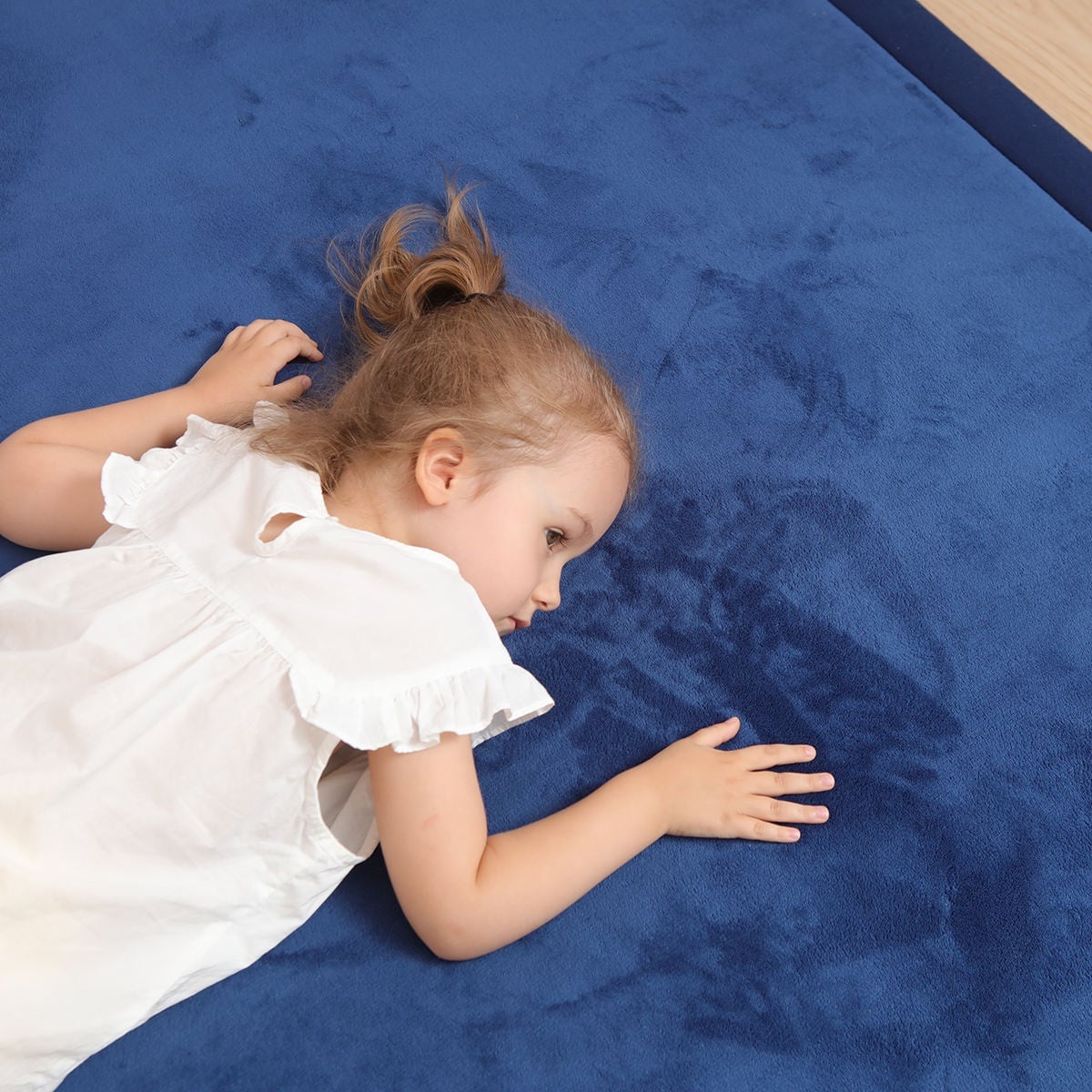
Choosing a durable kids play mat requires understanding key material properties, safety standards, and practical maintenance factors. Parents often struggle with balancing affordability, durability, and child safety when evaluating different play mat options. This guide walks you through the essential criteria to help you make an informed decision that keeps your child safe while ensuring your investment lasts through years of active play.
The foundation of any durable kids play mat is its foam composition. High-density foam provides better cushioning and maintains its shape longer than low-density alternatives. When evaluating a kids play mat, look for foam that resists compression and flattening from regular use. Premium foam materials retain their protective properties even after thousands of hours of play, ensuring your child receives consistent support and safety throughout the mat's lifespan.
The top surface of your kids play mat should be soft, non-toxic, and easy to clean. Velvet, polyester, and specialized fabric blends are popular choices for play mat surfaces. These materials need to withstand frequent contact with children's skin, occasional spills, and regular washing. A durable kids play mat features surface materials that resist pilling, fading, and odor retention. Check product specifications to ensure the material meets safety certifications and does not contain harmful chemicals or allergens that could affect your child's health during extended play sessions.
Thickness directly impacts the protective capacity of a kids play mat. Most experts recommend a minimum thickness of one-half inch for toddlers and infants, while older children may benefit from thicker mats ranging from one to two inches. A kids play mat with adequate thickness reduces the risk of injury when children fall or play actively on hard floors. The cushioning layer must be thick enough to absorb impact energy without being so thick that it creates instability or difficulty walking on the mat surface.
A high-quality kids play mat includes a non-slip base that prevents the mat from shifting during play. This safety feature is critical when children are running, jumping, or playing games that require sudden directional changes. Reinforced edges prevent the mat from curling, fraying, or creating tripping hazards. Some premium kids play mat designs feature double-stitched edges and corner reinforcement to ensure the mat maintains its integrity even under intense use and repeated folding or rolling for storage.
A durable kids play mat must be easy to maintain to ensure hygiene and longevity. Look for mats with surfaces that allow quick spot cleaning with mild soap and water. Some kids play mat materials are machine washable, which simplifies the cleaning process for busy parents. Understanding the specific cleaning requirements for your chosen mat prevents material degradation and extends its usable lifespan. Regular maintenance removes dirt, germs, and allergens that accumulate through daily play, keeping your child's environment healthier and the mat fresh.
Consider how you will store and transport your kids play mat when it's not in use. Lightweight mats that roll or fold compactly are ideal for families who need flexibility in room layout or plan to travel with the mat. Some durable kids play mat designs are thin enough to fit in closets but thick enough to provide proper cushioning. Others feature built-in carrying handles or storage bags. Your choice should balance durability with practical storage constraints in your home environment.
The appropriate size for a kids play mat depends on your available space and intended use. A kids play mat should be large enough for your child to play freely without constantly reaching the edges. Standard sizes range from small portable mats to large floor-coverage options that define a complete play area. Consider room dimensions, furniture placement, and how many children will use the mat simultaneously. A well-sized kids play mat creates a safe, defined play zone while fitting naturally into your home's layout without creating navigation obstacles.
While aesthetics matter, the color and design of a kids play mat should support durability and functionality. Lighter colors show dirt more easily, requiring more frequent cleaning to maintain appearance. Darker or patterned designs on a kids play mat mask wear and discoloration better. Many quality play mats feature child-friendly designs that encourage imaginative play while maintaining neutral tones that work in any room. Choose a design that balances visual appeal with practical maintenance considerations for long-term satisfaction.
For infants and young crawlers, a kids play mat should be at least one-half inch thick to provide adequate cushioning without creating instability. This thickness level protects against impact injuries from falls while maintaining a stable surface for learning to crawl and move independently. Some parents prefer one-inch thickness for extra protection during the most active growth phases.
A kids play mat should be spot-cleaned weekly or as needed when spills occur, with a thorough cleaning monthly. The frequency depends on usage intensity and your child's age. Infants require more frequent cleaning due to drool and diaper accidents, while older children may need less frequent deep cleaning. Always follow the manufacturer's cleaning instructions to preserve the material quality and maintain proper hygiene for your child's health.
Most indoor kids play mats are not designed for outdoor use because prolonged sun exposure and weather conditions degrade the materials quickly. However, some durable kids play mat products feature UV-resistant surfaces suitable for outdoor play. Check the product specifications before purchasing if you plan outdoor use. Outdoor play mats typically require different materials and construction than traditional indoor mats to withstand environmental stress.

2026/11/02
Struggling to choose the right living room rugs? Avoid costly mistakes with expert insights on size, material, durability, style & care. Get your perfect rug.

2026/11/03
Worried about infant falls during crawling? Discover how cushioned baby play mats absorb impact, and support motor development. Get expert safety tips now.

2026/11/04
Struggling with messy spills and tummy time needs? Discover waterproof, sensory, and tummy-time-optimized play mat surface. Compare materials now.

2026/11/05
Can a kids play mat reduce noise? Discover how thickness, foam density & full coverage deliver real acoustic relief. Get the guide.

2026/11/06
Why do kids slip on tile, laminate & polished wood? Discover how premium non-slip play mats anchor securely AND absorb impact. Boost safety.

2026/11/09
Tired of scrubbing stains and battling odors? Discover the 5 key kids play mat features—waterproof surfaces, washable covers, non-slip grip. See what makes maintenance effortless.

