 EN

What Should Buyers Know Before Ordering Living Room Rugs?
2026/11/02
Struggling to choose the right living room rugs? Avoid costly mistakes with expert insights on size, material, durability, style & care. Get your perfect rug.
Selecting the right area rugs for your modern living room requires thoughtful consideration of multiple factors that extend beyond aesthetics alone. The right rug transforms a space by defining zones, adding warmth, and anchering furniture arrangements while complementing your contemporary design vision. Whether you are starting from scratch or refreshing an existing room, understanding the principles behind rug selection ensures you make a choice that balances visual appeal with practical functionality.
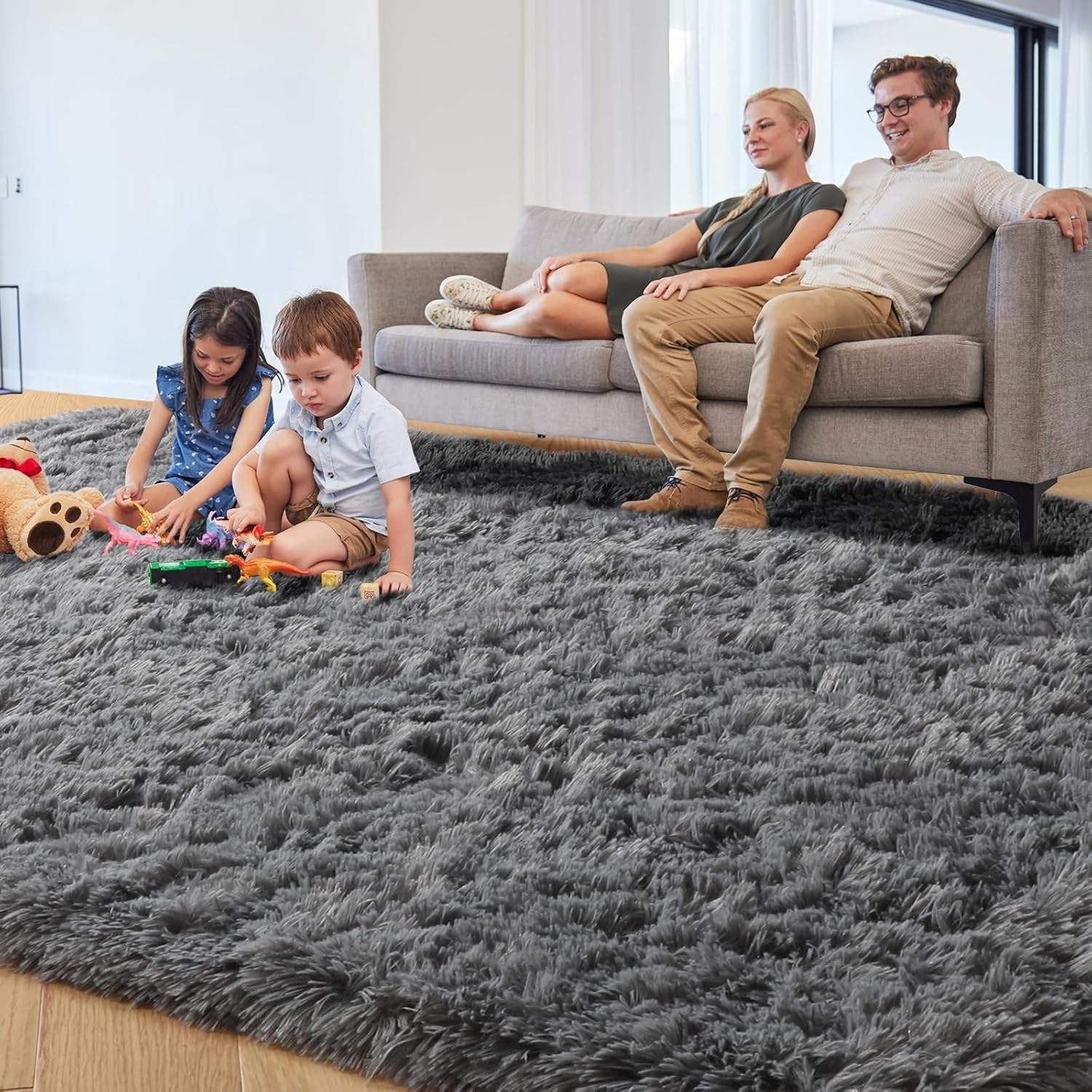
Modern living rooms demand area rugs that work harmoniously with minimalist aesthetics, neutral color palettes, and clean-lined furniture. Quality area rugs anchor your design scheme, create visual interest, and provide comfort underfoot while protecting your flooring investment. By following a structured approach to sizing, material selection, color coordination, and placement, you can confidently choose area rugs that elevate your entire living space.
The foundation of choosing area rugs begins with precise measurements of your living room. Measure the length and width of your seating area, allowing for adequate space around furniture groupings. A common guideline for area rugs involves positioning them so that all front legs of sofas and chairs rest on the rug surface, creating a cohesive visual anchor. This approach defines the seating zone while maintaining proper proportions within your room layout.
Area rugs come in standard dimensions ranging from small accent sizes like 2x3 feet to large statement pieces of 8x10 feet or larger. For modern living rooms with average ceiling heights and open floor plans, an 8x10 or 9x12 area rug typically provides the visual weight needed to ground furniture arrangements without overwhelming the space. Smaller area rugs work well as accent pieces or in defined nooks, while larger dimensions create stronger design statements. Understanding these sizing conventions helps you select area rugs that feel intentional rather than arbitrary.
Modern living rooms often feature area rugs made from wool, synthetic blends, or natural fibers like jute and sisal. Wool area rugs offer natural stain resistance, durability, and warmth underfoot, making them ideal for high-traffic living spaces where comfort matters. Synthetic materials provide practical advantages including fade resistance, easier maintenance, and budget-friendly pricing, which appeals to households with active lifestyles. Natural fiber area rugs bring organic texture and eco-conscious appeal to contemporary designs, though they require different care considerations than traditional options.
The tactile quality of area rugs significantly impacts room perception and user experience. Flat-weave area rugs complement minimalist modern interiors by maintaining clean lines and sophisticated simplicity, while subtle texture prevents the room from feeling cold or institutional. High-pile area rugs introduce warmth and softness that invites barefoot contact, creating comfort-focused living environments. Layering area rugs of different textures creates depth while maintaining visual coherence in open-plan modern living spaces.
Modern living room design typically emphasizes neutral area rugs in grays, beiges, charcoal, or soft whites that harmonize with minimalist furniture and architectural elements. These foundational area rug colors create visual calm while allowing other design elements to command attention without competing for emphasis. Strategic color selection ensures your area rugs function as supporting players rather than dominant focal points in contemporary schemes.
Subtle geometric patterns, abstract designs, and understated motifs work exceptionally well in modern living room environments where area rugs contribute visual interest without introducing visual chaos. Contemporary area rugs often feature clean lines, minimalist graphics, or tonal variations that add sophistication without clashing with modern furniture aesthetics. When selecting patterned area rugs, consider scale and ensure patterns complement rather than overwhelm your room proportions and existing decor elements.
High-traffic living rooms require area rugs capable of withstanding frequent foot traffic while maintaining their appearance and structural integrity. Darker or multi-tonal area rugs disguise dust, pet hair, and minor stains more effectively than light solid options, reducing visible maintenance burdens. Selecting area rugs with stain-resistant treatments or inherent fiber properties protects your investment while keeping your modern living room looking pristine between professional cleanings.
Area rugs represent a significant design investment, making budget consideration an important part of the selection process. Quality area rugs in the mid-range category often provide superior longevity compared to budget options while maintaining reasonable pricing structures. Prioritizing durability, timeless design, and versatile color schemes ensures your area rug investment serves your modern living room effectively for years, justifying the initial expenditure through extended use and consistent visual appeal.
An 8x10 foot area rug typically provides ideal proportions for average modern living rooms, anchoring furniture groupings while maintaining visual balance. This size allows front sofa legs to rest on the rug while creating defined seating zones without overwhelming the space or leaving awkward gaps around furniture edges.
Yes, layering area rugs creates visual depth and defines distinct zones within open-plan living spaces. Contemporary designs often feature a larger neutral foundation rug topped with a smaller geometric or textured piece, creating sophisticated visual interest while maintaining modern aesthetics and functionality.
Using area rug pads underneath prevents shifting and provides cushioning that extends rug lifespan, while choosing stain-resistant fibers and darker colors minimizes visible maintenance issues. Regular vacuuming, prompt spill treatment, and periodic professional cleaning preserve area rug quality despite daily living activities and high-traffic conditions.

2026/11/02
Struggling to choose the right living room rugs? Avoid costly mistakes with expert insights on size, material, durability, style & care. Get your perfect rug.

2026/11/03
Worried about infant falls during crawling? Discover how cushioned baby play mats absorb impact, and support motor development. Get expert safety tips now.

2026/11/04
Struggling with messy spills and tummy time needs? Discover waterproof, sensory, and tummy-time-optimized play mat surface. Compare materials now.

2026/11/05
Can a kids play mat reduce noise? Discover how thickness, foam density & full coverage deliver real acoustic relief. Get the guide.

2026/11/06
Why do kids slip on tile, laminate & polished wood? Discover how premium non-slip play mats anchor securely AND absorb impact. Boost safety.

2026/11/09
Tired of scrubbing stains and battling odors? Discover the 5 key kids play mat features—waterproof surfaces, washable covers, non-slip grip. See what makes maintenance effortless.

