 EN

What Should Buyers Know Before Ordering Living Room Rugs?
2026/11/02
Struggling to choose the right living room rugs? Avoid costly mistakes with expert insights on size, material, durability, style & care. Get your perfect rug.
Selecting the right memory foam mat involves understanding your specific comfort needs and evaluating several critical factors that directly impact your daily experience. Whether you're shopping for a play area, exercise space, or kitchen mat, the wrong choice can lead to inadequate support, premature wear, or wasted investment. This guide breaks down the essential considerations to help you make an informed decision that aligns with your comfort goals and lifestyle requirements.
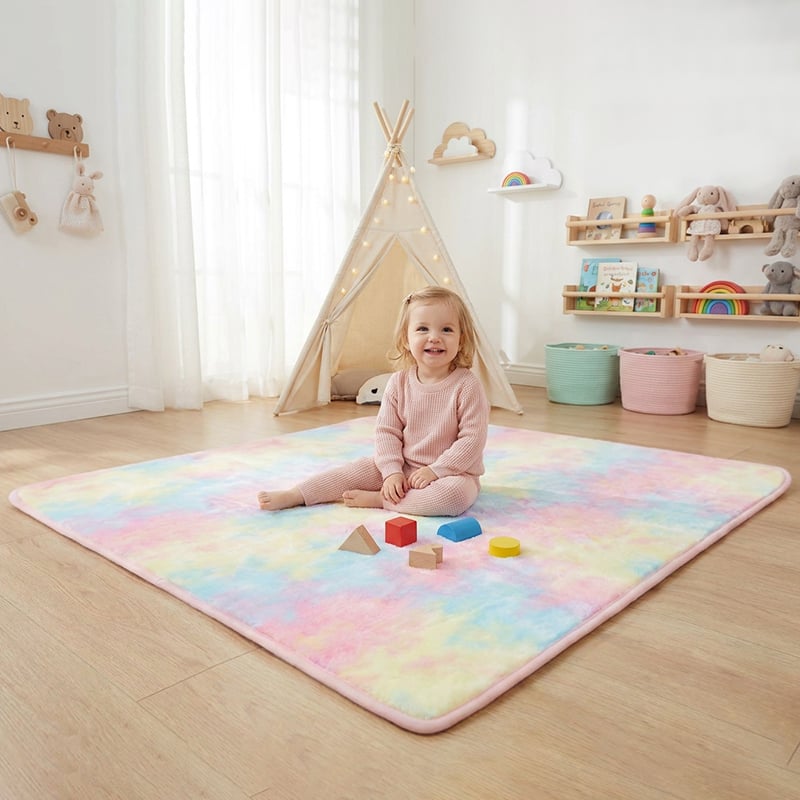
A quality memory foam mat adapts to your body's contours, distributing weight evenly and reducing pressure points that cause discomfort. Understanding the technical specifications and material characteristics of a memory foam mat ensures you invest in a product that delivers lasting comfort and meets your specific use case requirements.
The thickness of your memory foam mat directly affects comfort level and durability. Mats typically range from half an inch to two inches thick. Thicker memory foam mat options provide superior cushioning and longer-lasting performance, especially in high-traffic areas or for extended use periods. A memory foam mat that's too thin may compress quickly and offer insufficient support, while excessive thickness can feel unstable or create safety concerns in certain environments like playrooms.
Density determines how quickly a memory foam mat will break down under regular use. Higher-density foams maintain their shape longer and resist indentation, making a memory foam mat a better long-term investment. Lower-density options feel softer initially but compress faster, requiring replacement sooner. For families or commercial settings, selecting a memory foam mat with appropriate density prevents premature deterioration and ensures consistent comfort performance throughout its lifespan.
Quality memory foam mat construction uses certified, non-toxic materials that meet health and safety standards. Verify that your memory foam mat carries certifications like CertiPUR-US, which ensures the foam contains no harmful chemicals or flame retardants. A certified memory foam mat protects your family from off-gassing and provides peace of mind about indoor air quality. Check product labels carefully to confirm the memory foam mat meets relevant safety regulations for your region.
The surface layer of your memory foam mat significantly impacts usability and maintenance requirements. Memory foam mat covers made from durable, washable materials like polyester or microfiber resist staining and moisture damage. A quality memory foam mat with removable, machine-washable covers simplifies cleaning and extends overall lifespan. Consider your environment's specific demands when selecting between vinyl, fabric, or specialty coatings on your memory foam mat.
Different environments require different memory foam mat specifications. For children's play areas, choose a memory foam mat with thicker cushioning and non-slip surfaces that provide safety and impact absorption. Kitchen or bathroom applications demand a memory foam mat with water-resistant covers that withstand moisture exposure. Exercise or yoga spaces benefit from memory foam mat options offering medium thickness that balances support with stability, while fitness performance depends on selecting appropriate density for your body weight and activity intensity.
Selecting the right dimensions for your memory foam mat prevents gaps or overhang that reduce comfort and safety. Measure your space carefully and consider whether your memory foam mat will remain stationary or require portability. Folding memory foam mat designs offer flexibility for various settings but may develop creases that affect performance. Standard rectangular configurations work for most applications, though custom memory foam mat sizes suit specialized spaces. Ensure your chosen memory foam mat fits your layout while allowing for future adjustments or room changes.
A high-quality memory foam mat with appropriate density generally lasts five to ten years with proper care. Regular vacuuming, immediate stain treatment, and avoiding excessive moisture exposure extend your memory foam mat's lifespan significantly. Factors like foot traffic intensity, weight distribution, and environmental conditions influence how long your memory foam mat maintains its original comfort and support characteristics before replacement becomes necessary.
Most standard memory foam mat designs are intended for indoor use because sunlight and weather exposure degrade foam materials quickly. Some specialty outdoor-rated memory foam mat options exist with UV-protective covers, but these are less common and more expensive. If you need outdoor cushioning, verify that your memory foam mat includes weatherproof materials before purchasing, and expect reduced lifespan compared to indoor memory foam mat products.
For children's play areas, select a memory foam mat between three-quarters of an inch and one and a half inches thick. This thickness range provides adequate impact absorption for falls while maintaining stability during play activities. A memory foam mat at this thickness level protects developing bones and joints effectively without creating excessive softness that compromises balance and coordination during normal childhood movement and play patterns.

2026/11/02
Struggling to choose the right living room rugs? Avoid costly mistakes with expert insights on size, material, durability, style & care. Get your perfect rug.

2026/11/03
Worried about infant falls during crawling? Discover how cushioned baby play mats absorb impact, and support motor development. Get expert safety tips now.

2026/11/04
Struggling with messy spills and tummy time needs? Discover waterproof, sensory, and tummy-time-optimized play mat surface. Compare materials now.

2026/11/05
Can a kids play mat reduce noise? Discover how thickness, foam density & full coverage deliver real acoustic relief. Get the guide.

2026/11/06
Why do kids slip on tile, laminate & polished wood? Discover how premium non-slip play mats anchor securely AND absorb impact. Boost safety.

2026/11/09
Tired of scrubbing stains and battling odors? Discover the 5 key kids play mat features—waterproof surfaces, washable covers, non-slip grip. See what makes maintenance effortless.

