 EN

What Should Buyers Know Before Ordering Living Room Rugs?
2026/11/02
Struggling to choose the right living room rugs? Avoid costly mistakes with expert insights on size, material, durability, style & care. Get your perfect rug.
Selecting the right play mat is one of the most important decisions parents and caregivers make when creating safe indoor spaces for children. A quality play mat provides cushioning, insulation, and protection during active play, reducing the risk of injury while offering comfort and peace of mind. Whether you are setting up a nursery, playroom, or designated activity area, understanding how to choose a play mat that meets your specific needs is essential for creating an environment where children can explore, develop, and play safely.
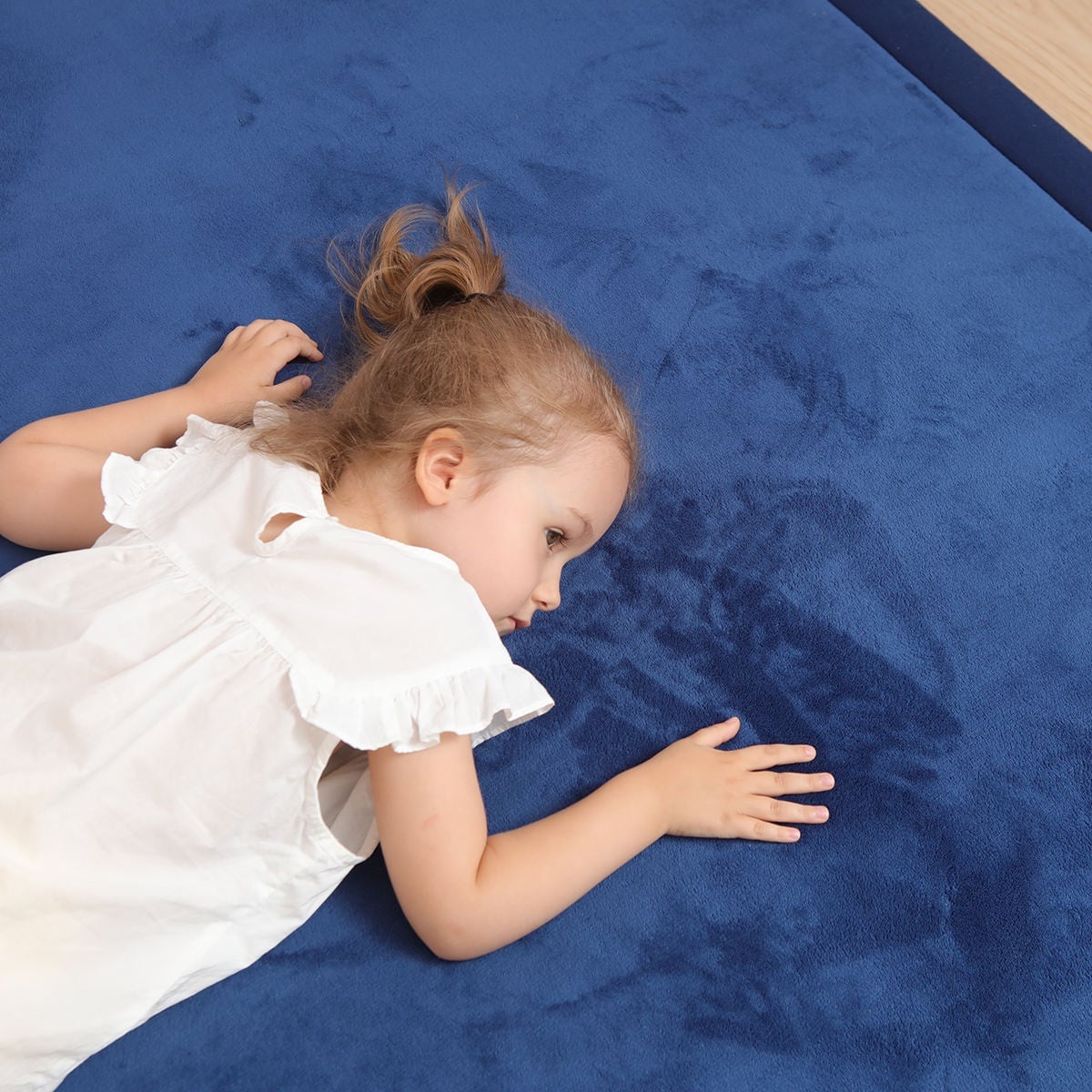
A well-chosen play mat becomes the foundation of a child-friendly space, offering protection against falls, temperature regulation, and a defined area for play activities. The market offers numerous options with varying materials, thicknesses, sizes, and features. Knowing what to look for ensures you invest in a product that aligns with your family's needs, budget, and safety standards while maintaining durability and ease of maintenance.
The primary function of any play mat is to absorb impact and reduce injury risk during falls. When evaluating a play mat, thickness plays a critical role in determining how effectively it protects against falls. Mats ranging from 0.5 inches to 2 inches thick offer varying levels of cushioning, with thicker options providing superior protection during rough play or contact sports. Foam density matters equally; higher-density foam maintains its shape over time and provides consistent protection, while lower-density alternatives may compress quickly and lose effectiveness.
Consider the age and developmental stage of the children using the play mat. Infants and toddlers benefit from thicker, softer mats that provide gentle support during crawling and early walking. Older children engaged in more vigorous activities may need mats with balanced cushioning that prevents excessive sinking while still absorbing impact effectively. Testing the mat's firmness by pressing on it with your hand or sitting on it briefly helps gauge whether the cushioning level suits your intended use.
Health and safety extend beyond physical protection to include material composition. A quality play mat should be made from non-toxic, child-safe materials free from harmful chemicals like phthalates, BPA, and lead. Many manufacturers now use closed-cell foam, natural rubber, or polyethylene as base materials, offering safe alternatives to materials that may off-gas or pose health risks. When selecting your play mat, verify that it meets relevant safety certifications such as ASTM standards or similar regional requirements that ensure the product has undergone rigorous testing.
The surface material deserves equal attention. Soft, skin-friendly fabrics like coral velvet or micro-suede provide comfort while being gentle on children's sensitive skin. These materials are typically hypoallergenic, easy to clean, and resistant to staining. Waterproof backing prevents moisture from seeping into the foam core, which can lead to mold, mildew, and bacterial growth. A quality play mat combines protective foam with a durable, washable surface that simplifies maintenance and extends the product's lifespan.
Choosing the right dimensions for your play mat requires careful assessment of the available space and intended use. Play mats come in various sizes, from small crawling mats measuring 3 by 5 feet to larger options exceeding 6 by 9 feet. Measure your designated play area accurately, accounting for furniture, doors, and traffic patterns. A play mat should cover enough space for children to move safely without feeling cramped, yet fit within your room without creating tripping hazards at the edges.
The number of children using the play mat simultaneously influences sizing decisions. A household with multiple young children may benefit from a larger play mat that accommodates group activities and reduces overcrowding. In contrast, a single child or small playroom might function well with a modest-sized mat that offers adequate coverage without dominating the space. Consider whether you prefer a single large mat or multiple smaller mats connected together, as some families find modular options offer greater flexibility for rearranging spaces as children grow.
Many families appreciate play mats that can be easily moved, folded, or rolled for storage or transport. Lighter materials and thoughtful design elements like carrying handles make relocation practical for homes without dedicated playrooms. However, stability matters when children play actively; some families prefer mats that stay in place rather than shifting during use. Non-slip bottoms help prevent the play mat from moving while your child plays, reducing safety concerns and providing a secure foundation for activities.
Installation typically involves simply laying the mat flat on a clean floor, though some families use mats with fastening options or puzzle-piece configurations that lock together for added security. Before purchase, consider how easily you can set up, move, and store your chosen play mat within your living space. Reading customer reviews about weight and handling helps identify whether a specific product matches your practical requirements.
A play mat experiences constant use, spills, and exposure to dirt, food, and bodily fluids. Selecting one with easily cleanable surfaces significantly impacts your daily experience as a parent or caregiver. Most quality play mats feature removable, machine-washable covers that simplify deep cleaning. For the foam core, a damp cloth with mild soap handles most messes effectively. Verify that your chosen play mat can withstand regular cleaning without degrading, discoloring, or developing odors.
Durability directly affects the value you receive from your investment. High-quality materials resist compression, tearing, and wear from years of active play. Check the warranty offered by the manufacturer and read reviews from families who have used the play mat long-term. A mat that maintains its cushioning, appearance, and structural integrity through multiple children or extended use provides better long-term value than a cheaper alternative that requires replacement within months.
Play mat prices range significantly based on materials, size, brand, and features. Establishing a realistic budget helps narrow your options while ensuring you invest in quality. Cheaper mats may save money initially but often compromise on thickness, material quality, or durability, resulting in frequent replacement. Mid-range options typically offer solid safety features, reasonable durability, and acceptable performance. Premium play mats often include advanced features like enhanced cushioning, superior materials, or innovative designs that justify higher price points for families prioritizing maximum safety and longevity.
Consider the total cost of ownership, including maintenance, potential replacements, and how long you expect to use the mat. A play mat serving an infant through preschool years represents better long-term value than one suitable only for crawlers. Compare prices across retailers, watch for seasonal sales, and evaluate bundle offers that may include additional accessories. Investing in a moderately priced, well-reviewed play mat typically yields better satisfaction than choosing the cheapest or most expensive option without considering specific features that matter for your family's needs.
Toddlers benefit most from play mats with thickness between 0.75 and 1.5 inches. This range provides adequate cushioning to protect during falls while remaining firm enough to prevent excessive sinking that makes movement difficult. Always verify that your chosen mat meets safety standards and consult your pediatrician if you have specific health concerns regarding your child's play environment.
Yes, using a play mat on carpet is common and practical. Carpet beneath a play mat can provide additional cushioning and insulation, though it may reduce ventilation slightly. Ensure the carpet is clean and free of allergens before placing your play mat. If mold or odor develops, remove the mat and allow both surfaces to dry completely. Non-slip grippers between the play mat and carpet prevent shifting during active play.
Look for certifications from recognized safety organizations such as ASTM International, Consumer Product Safety Commission compliance labels, or third-party testing results. Review product descriptions for specific materials listed and absence of concerning chemicals like phthalates, BPA, and lead. Contact manufacturers directly with questions about material sourcing and safety testing. Reading customer reviews and checking for any reported health issues provides additional confidence in a product's safety profile.

2026/11/02
Struggling to choose the right living room rugs? Avoid costly mistakes with expert insights on size, material, durability, style & care. Get your perfect rug.

2026/11/03
Worried about infant falls during crawling? Discover how cushioned baby play mats absorb impact, and support motor development. Get expert safety tips now.

2026/11/04
Struggling with messy spills and tummy time needs? Discover waterproof, sensory, and tummy-time-optimized play mat surface. Compare materials now.

2026/11/05
Can a kids play mat reduce noise? Discover how thickness, foam density & full coverage deliver real acoustic relief. Get the guide.

2026/11/06
Why do kids slip on tile, laminate & polished wood? Discover how premium non-slip play mats anchor securely AND absorb impact. Boost safety.

2026/11/09
Tired of scrubbing stains and battling odors? Discover the 5 key kids play mat features—waterproof surfaces, washable covers, non-slip grip. See what makes maintenance effortless.

