 EN

What Should Buyers Know Before Ordering Living Room Rugs?
2026/11/02
Struggling to choose the right living room rugs? Avoid costly mistakes with expert insights on size, material, durability, style & care. Get your perfect rug.
Selecting the correct thickness for a play mat is one of the most important decisions parents and caregivers make when creating a safe play environment for children. The thickness of a play mat directly influences comfort, safety, durability, and suitability for specific activities. Whether your child is learning to crawl, practicing balance, or engaging in floor-based play, the right play mat thickness ensures proper cushioning, prevents injuries, and supports developmental milestones. Understanding how thickness affects performance across different use cases helps you invest in the right product for your family's needs.
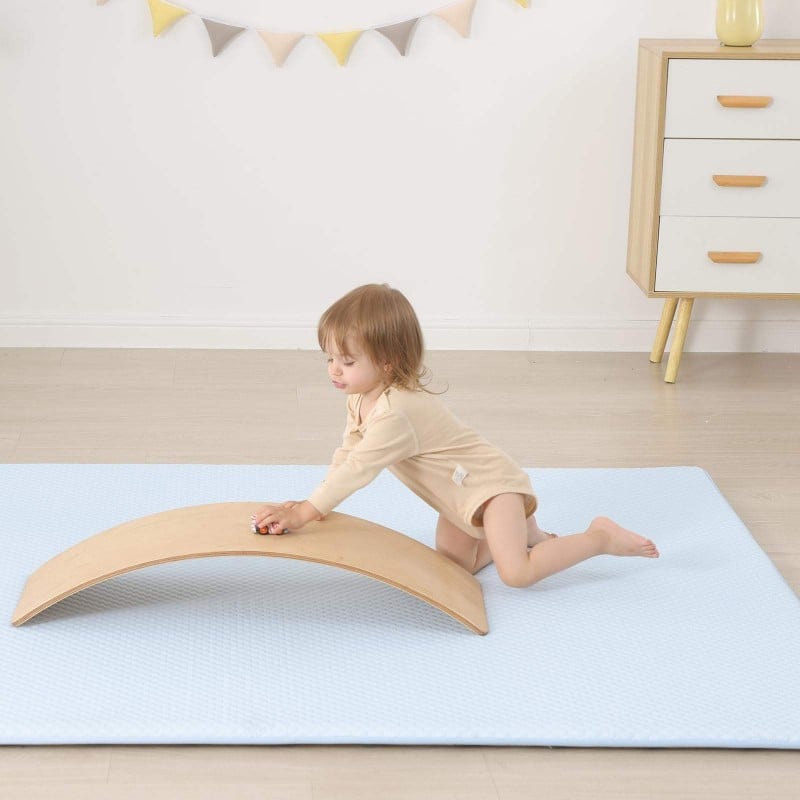
A play mat serves as the foundation of safe floor play, and thickness is measured in millimeters or inches, typically ranging from 0.5 inches to 2 inches or more. Thicker play mat options provide greater impact absorption and joint protection, while thinner versions offer portability and are suitable for light-use scenarios. The ideal thickness depends on your child's age, developmental stage, the type of activities they engage in, and whether the play mat will be used indoors or outdoors. This guide walks you through the key factors to consider when evaluating play mat thickness for your specific situation.
The primary function of a play mat is to cushion falls and reduce impact on joints and bones during developmental play. A thicker play mat absorbs energy more effectively, which is critical when toddlers are learning to walk, climb, or engage in more active play. When a child falls or lands hard on a thinner play mat, the impact travels more directly to the floor surface beneath, potentially causing bruises or injuries. Thicker play mats create a shock-absorbing barrier that protects against these impacts while still maintaining stability and preventing excessive sinking or wobbling. For infants and very young toddlers during tummy time, even moderate thickness provides adequate comfort and support.
Play mat thickness alone does not determine protection level. The density and material composition of a play mat also matter significantly. A high-density foam play mat at 0.75 inches may provide better protection than a low-density, spongy play mat at 1.5 inches. Closed-cell foam construction resists moisture and maintains shape better than open-cell alternatives. When choosing a play mat, evaluate both thickness and the quality of the underlying foam or cushioning material to ensure adequate shock absorption and durability over time. Premium play mat options combine optimal thickness with dense, long-lasting foam that resists compression and wear.
For newborns and infants during tummy time and early floor exploration, a play mat between 0.5 and 0.75 inches thick provides adequate cushioning without excessive softness. Infants are not yet falling or engaging in impact-heavy activities, so a thinner play mat is sufficient for comfort and hygiene purposes. A play mat in this thickness range remains firm enough to support proper muscle development while providing gentle cushioning against the floor. Breathable, soft materials are equally important at this stage, as infants spend extended periods on their play mat during developmental activities.
Once children begin crawling and transitioning to standing, a thicker play mat becomes more important for injury prevention. A play mat between 1 and 1.5 inches thick offers enhanced shock absorption for falls that naturally occur during this developmental stage. This thickness range balances protection with sufficient firmness to prevent excessive sinking, which could impede balance development. Many parents find that a play mat around 1 inch thick represents the sweet spot for active toddlers who are climbing, jumping, or practicing new motor skills, as it provides noticeable cushioning without compromising stability or developmental support.
Children engaged in gymnastics, dancing, tumbling, or other physically demanding activities benefit from thicker play mat options ranging from 1.5 to 2 inches or more. A thicker play mat in this range reduces the risk of injury during high-impact activities and provides professional-grade protection similar to gym mats. For organized physical activities, a play mat at this thickness level is recommended to minimize stress on growing joints and bones during repeated movements or falls from height. Investing in a premium, thick play mat for structured physical activities demonstrates commitment to child safety during demanding play sessions.
Thicker play mats provide superior protection but weigh more and require more storage space, which can be challenging in small homes or for families who travel frequently. A play mat that is too thick may be impractical if you need to fold, roll, or transport it regularly between locations. Many parents maintain multiple play mat options at different thickness levels to accommodate different environments. A thinner, portable play mat works well for travel or daycare, while a thicker play mat remains at home where storage is not a limiting factor. Evaluate your lifestyle and space constraints when deciding on the optimal play mat thickness for your situation.
A properly selected play mat thickness contributes to overall durability and lifespan. Thicker play mats with quality foam construction resist compression and wear better than thinner alternatives, maintaining cushioning properties even after months or years of regular use. If you plan to use the same play mat for multiple children or extend its lifespan through heavy use, investing in a thicker, high-density play mat is cost-effective in the long term. Over time, thinner play mats tend to flatten and lose cushioning effectiveness faster, requiring replacement sooner than thicker, more robust options. Consider the expected usage intensity and duration when evaluating whether a thicker play mat justifies the initial investment.
For infants during tummy time and early floor play, a play mat thickness of at least 0.5 inches is sufficient for basic comfort and hygiene. However, many parents prefer 0.75 to 1 inch for added cushioning as babies become more active. The minimum threshold depends on the flooring surface beneath the play mat and the developmental stage of your child.
A thicker play mat generally provides better shock absorption for active toddlers, but excessive thickness can sometimes impede balance development or create an unstable surface. The ideal range is typically 1 to 1.5 inches for most toddler play scenarios, balancing protection with firmness and developmental support. Personal preference and your child's specific needs should guide the final choice.
If you need portability for travel or daycare, a thinner play mat is practical, though it offers less protection than thicker alternatives. For home use where storage is available, a thicker play mat provides superior safety and durability. Many families use both, keeping a portable play mat for travel and a thicker play mat at home for extended play sessions and daily use.

2026/11/02
Struggling to choose the right living room rugs? Avoid costly mistakes with expert insights on size, material, durability, style & care. Get your perfect rug.

2026/11/03
Worried about infant falls during crawling? Discover how cushioned baby play mats absorb impact, and support motor development. Get expert safety tips now.

2026/11/04
Struggling with messy spills and tummy time needs? Discover waterproof, sensory, and tummy-time-optimized play mat surface. Compare materials now.

2026/11/05
Can a kids play mat reduce noise? Discover how thickness, foam density & full coverage deliver real acoustic relief. Get the guide.

2026/11/06
Why do kids slip on tile, laminate & polished wood? Discover how premium non-slip play mats anchor securely AND absorb impact. Boost safety.

2026/11/09
Tired of scrubbing stains and battling odors? Discover the 5 key kids play mat features—waterproof surfaces, washable covers, non-slip grip. See what makes maintenance effortless.

