 EN

What Should Buyers Know Before Ordering Living Room Rugs?
2026/11/02
Struggling to choose the right living room rugs? Avoid costly mistakes with expert insights on size, material, durability, style & care. Get your perfect rug.
Selecting the appropriate anxiety blanket weight is one of the most critical decisions when investing in a weighted blanket for anxiety relief. The right weight can significantly enhance therapeutic benefits, while an incorrect choice may reduce effectiveness or cause discomfort. Understanding how to compare different anxiety blanket weight options ensures you find a solution that aligns with your body weight, sleep preferences, and specific anxiety management goals. This guide walks you through the key factors that distinguish weight categories and helps you navigate the decision-making process with confidence.
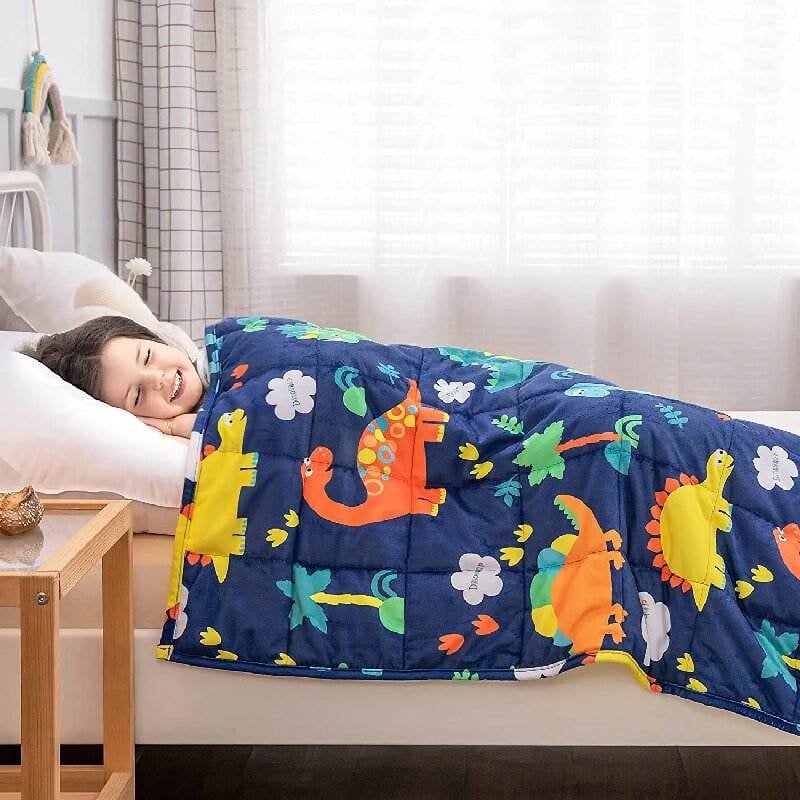
The therapeutic effectiveness of a weighted blanket depends heavily on finding the optimal weight for your body. Industry experts recommend selecting a blanket that equals approximately 10% of your body weight, though individual preferences and sensitivity levels vary. When comparing anxiety blanket weight options, you are essentially evaluating different pressure intensities and their capacity to promote the deep pressure touch therapy mechanism. Heavier options provide more intense stimulation, while lighter choices suit those who prefer gentle support or who find standard weights too restrictive for comfortable sleep.
Weighted blankets are available in distinct weight categories, typically ranging from 5 pounds to 30 pounds. Light options, usually between 5 and 10 pounds, work well for children, petite adults, or individuals new to weighted blanket therapy. Medium-weight blankets, ranging from 12 to 18 pounds, suit most average adults and remain the most commonly recommended anxiety blanket weight range. Heavy options exceeding 20 pounds provide intense pressure stimulation for larger individuals or those seeking maximum therapeutic effect. Understanding these categories helps you narrow down suitable options before considering personal factors like sleep position, temperature sensitivity, and anxiety severity.
The 10% body weight rule serves as a practical starting point when comparing anxiety blanket weight selections. For a 150-pound individual, this suggests a 15-pound blanket as an optimal choice. However, this guideline accommodates flexibility—some people prefer 8% of their weight for gentler pressure, while others benefit from 12% for more pronounced sensory input. Your preferred sleep position also influences suitability: side sleepers often tolerate heavier anxiety blanket weight better than back sleepers. Consulting your body's response during trial periods reveals whether your selected weight delivers the calming effect you seek or requires adjustment within available options.
The therapeutic mechanism behind weighted blankets involves applying sustained, gentle pressure that activates the parasympathetic nervous system. Heavier anxiety blanket weight options amplify this pressure intensity, creating stronger activation of relaxation responses in the body. This deepened pressure can accelerate the transition to sleep, reduce nighttime anxiety symptoms, and improve overall sleep quality for anxiety-prone individuals. Conversely, lighter weight selections deliver gentler stimulation that some users find equally effective without the sensation of being pinned down. Your anxiety severity, sensory preferences, and previous experience with pressure-based therapies should guide your selection between these therapeutic intensity levels.
How anxiety blanket weight affects your sleep freedom depends significantly on your preferred sleeping position and nocturnal movement patterns. Side sleepers typically manage heavier weights comfortably, while back sleepers sometimes feel restricted by options exceeding 18 pounds. Stomach sleepers often prefer lighter anxiety blanket weight options to avoid abdominal pressure that may disrupt breathing. Individuals who shift positions frequently throughout the night benefit from mid-range weights that provide therapeutic pressure without severely limiting mobility. Testing different weight options during extended trial periods reveals which selection maintains adequate pressure stimulation while preserving your natural sleep movements and comfort throughout the night.
Begin your anxiety blanket weight comparison by documenting your body weight, sleep preferences, temperature sensitivity, and anxiety symptoms. Record whether you feel most calm under firm pressure or prefer lighter touch, as this subjective response varies widely among individuals. Consider your climate—warmer regions may benefit from lighter anxiety blanket weight options that provide adequate pressure without excessive heat retention. Your budget also matters, as pricing often increases with weight capacity. Creating a personal profile of these factors helps eliminate unsuitable options and focus your comparison on realistic candidates that match your specific situation rather than general recommendations.
Rather than immediately committing to a specific anxiety blanket weight, many experts recommend starting with lighter options and gradually transitioning to heavier weights as your body adapts. A 10-pound blanket serves as an effective starting point for most adults, allowing you to evaluate whether weighted blanket therapy itself benefits your anxiety management. After one to two weeks of consistent use, you can assess whether increased anxiety blanket weight would enhance benefits or whether your current weight delivers optimal results. This systematic approach minimizes the risk of selecting an unsuitable weight while accumulating valuable personal data about your pressure preferences. Some users discover that their ideal weight changes seasonally or as their anxiety patterns evolve, requiring periodic reassessment of their selection.
For a 180-pound individual, the 10% body weight rule suggests an anxiety blanket weight of approximately 18 pounds as an optimal starting point. However, personal preference varies—some people at this weight feel most comfortable with 16-pound options, while others benefit from 20-pound selections. Beginning with an 18-pound blanket and adjusting based on your comfort response provides a practical approach to identifying your ideal weight within a reasonable range.
Yes, anxiety blanket weight that exceeds approximately 12% of your body weight can create discomfort rather than relief, particularly if you prefer gentle sensory input or have respiratory sensitivity. Blankets that feel restrictive or cause claustrophobic sensations may worsen anxiety symptoms rather than alleviating them. If you experience increased anxiety during sleep with your current anxiety blanket weight, transitioning to a lighter option often resolves the issue and reveals that your personal preference differs from standard recommendations.
Heavier anxiety blanket weight options retain more body heat and may increase nighttime temperature, particularly in warm climates or for naturally warm sleepers. Lighter weight selections offer cooler sleep experiences while still delivering therapeutic pressure benefits. If temperature concerns arise with your chosen anxiety blanket weight, consider blankets with breathable materials or moisture-wicking properties that manage heat while maintaining effective pressure delivery throughout the night.

2026/11/02
Struggling to choose the right living room rugs? Avoid costly mistakes with expert insights on size, material, durability, style & care. Get your perfect rug.

2026/11/03
Worried about infant falls during crawling? Discover how cushioned baby play mats absorb impact, and support motor development. Get expert safety tips now.

2026/11/04
Struggling with messy spills and tummy time needs? Discover waterproof, sensory, and tummy-time-optimized play mat surface. Compare materials now.

2026/11/05
Can a kids play mat reduce noise? Discover how thickness, foam density & full coverage deliver real acoustic relief. Get the guide.

2026/11/06
Why do kids slip on tile, laminate & polished wood? Discover how premium non-slip play mats anchor securely AND absorb impact. Boost safety.

2026/11/09
Tired of scrubbing stains and battling odors? Discover the 5 key kids play mat features—waterproof surfaces, washable covers, non-slip grip. See what makes maintenance effortless.

