 EN

What Should Buyers Know Before Ordering Living Room Rugs?
2026/11/02
Struggling to choose the right living room rugs? Avoid costly mistakes with expert insights on size, material, durability, style & care. Get your perfect rug.
Choosing the right weighted blanket requires careful evaluation of several key factors that directly impact comfort, therapeutic benefit, and long-term satisfaction. Unlike standard blankets, a weighted blanket combines fabric quality, internal weight distribution, and design specifications that must align with your specific needs. Whether you're selecting a sensory weighted blanket for personal use, family members, or commercial purposes, understanding the comparison criteria will help you make an informed decision rather than relying on marketing claims alone.
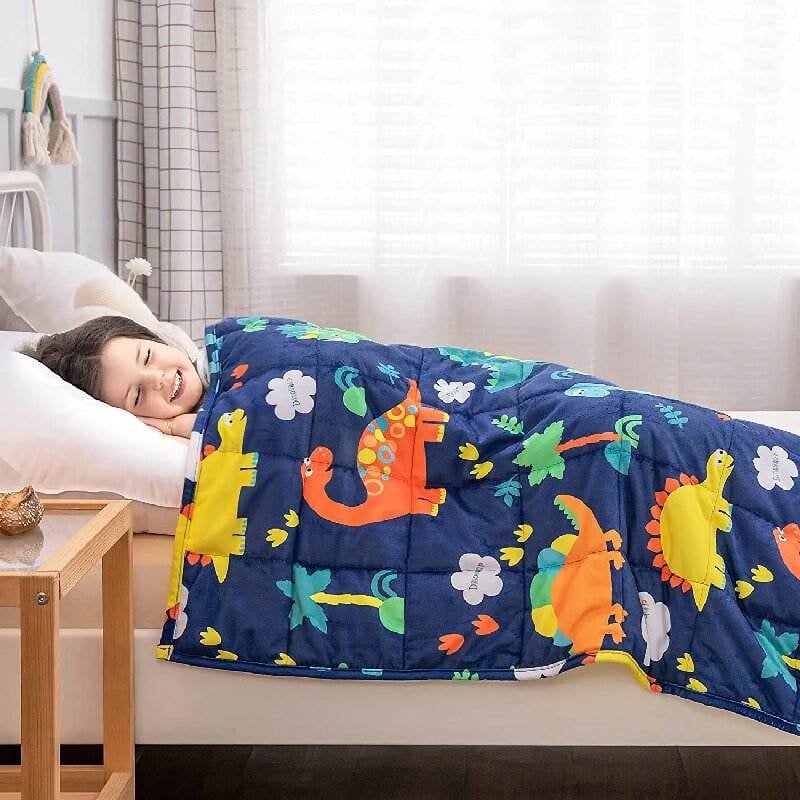
The market now offers numerous weighted blanket options with varying specifications, price points, and intended applications. Each option carries distinct advantages depending on age group, therapeutic intent, budget constraints, and personal preferences. Understanding how different weighted blanket products compare will enable you to identify which features matter most for your situation and avoid purchasing models that don't meet your practical requirements.
The weight of a weighted blanket directly influences its therapeutic effectiveness and user comfort. Most experts recommend selecting a weighted blanket that equals approximately 10 percent of the user's body weight, though this guideline varies based on individual sensory sensitivity and personal preference. A weighted blanket that is too light may fail to deliver the deep pressure stimulation needed for calming benefits, while one that is excessively heavy can create discomfort or restrict movement during sleep.
When comparing weighted blanket options, review the specific weight specifications offered by each manufacturer. Standard weighted blanket sizes typically range from 5 pounds for young children to 25 pounds for adults, with specialty options extending beyond these ranges. Consider whether you need a weighted blanket for a child, teenager, or adult, as this dramatically affects the appropriate weight range. The sensory weighted blanket you choose should feel supportive without causing strain or excessive pressure that disrupts sleep quality.
Weighted blanket dimensions should correspond to your bed size and sleeping setup. A weighted blanket designed for a twin bed will not adequately cover a queen or king bed, reducing its therapeutic effectiveness. Standard options include twin, full, queen, and king sizes, with each weighted blanket option engineered to provide even weight distribution across its intended surface area. Some specialty weighted blanket products offer custom sizing to accommodate unusual bed dimensions or specific user preferences.
Consider whether you'll use the weighted blanket as your primary sleep cover or layer it beneath other bedding. This decision affects the ideal size selection. A sensory weighted blanket intended for daytime use on a couch requires different dimensions than one used for nighttime sleep on a full bed.
The outer fabric of a weighted blanket significantly impacts tactile comfort and maintenance requirements. Common material options include minky dots for softness, cooling cotton blends for temperature regulation, and durable polyester for extended use in commercial or clinical settings. When evaluating weighted blanket options, assess whether the cover fabric aligns with sensory preferences and climate conditions in your location. A weighted blanket with minky dots provides gentle texture suitable for sensitive skin, while cooling fabrics benefit users who experience overheating during sleep.
Examine whether the cover of your chosen weighted blanket is removable and machine-washable, as this affects long-term usability and hygiene maintenance. Some weighted blanket products feature fixed covers that require spot cleaning, limiting practical care options. A removable cover on a sensory weighted blanket allows easier cleaning and occasional fabric replacement if wear occurs over time.
The internal fill material determines how weight is distributed throughout the weighted blanket. Glass beads, plastic pellets, and sand represent common fill options, each with distinct advantages. Glass bead-filled weighted blanket options offer quieter operation and longevity, while pellet-based alternatives provide flexible weight distribution and typically lower cost. A well-engineered weighted blanket maintains even fill distribution through compartmentalized chambers that prevent clumping.
When comparing weighted blanket options, verify that internal fill remains securely contained with no leakage risk. A quality sensory weighted blanket incorporates reinforced stitching and layered construction that withstand regular use and washing cycles. The fill material should not shift or settle unevenly, as this compromises the therapeutic benefit and creates uncomfortable lumps.
Weighted blanket prices vary considerably based on material quality, size, weight specifications, and brand positioning. Budget-friendly weighted blanket options typically range from 50 to 100 dollars, while premium sensory weighted blanket models with advanced features exceed 300 dollars. Determining your spending threshold helps narrow the available weighted blanket options to those fitting your financial constraints. A sensory weighted blanket doesn't require premium pricing to deliver therapeutic benefits if core specifications meet your needs.
Compare cost per pound when evaluating weighted blanket options, as this metric reveals true value relative to quality. Two weighted blanket products with identical weight may differ significantly in price due to fabric quality, brand reputation, or manufacturing methods. Identify which features justify premium pricing for your specific application and which represent unnecessary expense.
The durability of a weighted blanket influences its true cost over time. A less expensive weighted blanket requiring replacement after one year of use ultimately costs more than a mid-range sensory weighted blanket lasting five years. Examine customer feedback regarding durability and longevity of different weighted blanket options before finalizing your purchase. Quality construction features like reinforced stitching, high thread count fabrics, and enclosed fill chambers indicate a weighted blanket designed for extended use.
Consider whether warranty coverage or replacement guarantees accompany your chosen weighted blanket. Some manufacturers offer extended protection plans or repair services that add value to premium-priced sensory weighted blanket options. Assess whether these protections justify the higher cost relative to basic weighted blanket alternatives lacking such coverage.
Select a weighted blanket at approximately 10 percent of body weight for optimal therapeutic benefit. For children under 100 pounds, choose a lighter sensory weighted blanket ranging from 5 to 10 pounds. Adults typically benefit from weighted blanket options between 15 and 25 pounds. Consult product guidelines and consider individual sensory sensitivity when finalizing your weighted blanket selection.
Check your specific weighted blanket instructions, as maintenance varies by material and fill type. Most sensory weighted blanket covers with removable designs are machine-washable on gentle cycles using cool water. For weighted blanket options with fixed covers, spot clean soiled areas or use dry cleaning services. Allow your weighted blanket to air dry completely before use to prevent mold and maintain fabric integrity.
Weighted blanket options exist for children as young as 3 years old through adults of all ages, though weight specifications must match developmental stage and size. Consult pediatric guidelines before introducing a sensory weighted blanket to very young children. A weighted blanket represents a safe sleep tool when properly selected for individual age, weight, and health status. Always verify product recommendations and consider consulting healthcare providers for specific medical conditions.

2026/11/02
Struggling to choose the right living room rugs? Avoid costly mistakes with expert insights on size, material, durability, style & care. Get your perfect rug.

2026/11/03
Worried about infant falls during crawling? Discover how cushioned baby play mats absorb impact, and support motor development. Get expert safety tips now.

2026/11/04
Struggling with messy spills and tummy time needs? Discover waterproof, sensory, and tummy-time-optimized play mat surface. Compare materials now.

2026/11/05
Can a kids play mat reduce noise? Discover how thickness, foam density & full coverage deliver real acoustic relief. Get the guide.

2026/11/06
Why do kids slip on tile, laminate & polished wood? Discover how premium non-slip play mats anchor securely AND absorb impact. Boost safety.

2026/11/09
Tired of scrubbing stains and battling odors? Discover the 5 key kids play mat features—waterproof surfaces, washable covers, non-slip grip. See what makes maintenance effortless.

