 EN

What Should Buyers Know Before Ordering Living Room Rugs?
2026/11/02
Struggling to choose the right living room rugs? Avoid costly mistakes with expert insights on size, material, durability, style & care. Get your perfect rug.
Selecting the right weighted blankets requires understanding the materials that make up these therapeutic sleep tools. The fabric covering and internal filling work together to determine comfort level, breathability, durability, and overall performance. Without knowing what materials to evaluate, buyers often make choices based on price alone, missing critical factors that affect long-term satisfaction and therapeutic benefit.
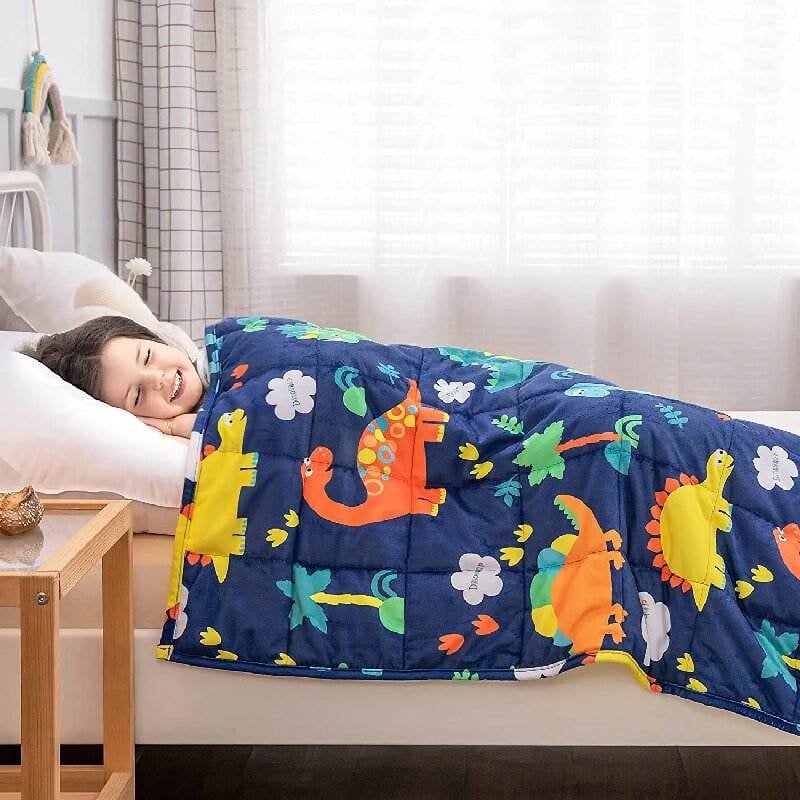
Understanding material composition helps you make informed decisions that align with your climate, skin sensitivity, maintenance preferences, and budget. Whether you are choosing weighted blankets for a child, an adult with sensory needs, or someone recovering from injury, material quality directly impacts therapeutic outcomes. This guide walks through the key fabric types, filling materials, construction methods, and practical comparison criteria used by experienced buyers and sleep specialists.
Cotton represents the most popular natural choice for weighted blankets because of its breathability, softness, and ease of care. Organic cotton options appeal to buyers concerned about chemical treatments and sustainability. Cotton covers allow good air circulation, making them suitable for warm climates or people who sleep hot. Linen blends offer similar breathability with a slightly textured feel and exceptional durability. Both natural fibers are hypoallergenic, which matters for sensitive skin. The trade-off is that natural fibers may require more frequent washing and can wrinkle or shrink if not handled correctly. For weighted blankets used regularly, natural fiber covers tend to outlast synthetic options when properly maintained.
Polyester and microfiber dominate the synthetic segment for weighted blankets because they offer softness, wrinkle resistance, and easy care. Minky fabric, a type of microfiber with a plush texture, has become highly popular for weighted blankets intended for children and sensitive users. Bamboo viscose blends combine sustainability with the silky feel that appeals to luxury-focused buyers. Synthetic covers generally cost less and dry faster than natural fabrics, but they can trap heat and may not breathe as effectively. Some synthetic covers shed microfibers with washing, though quality manufacturers have addressed this issue in recent generations. Blended fabrics—mixing cotton with polyester or bamboo with synthetics—aim to balance the benefits of both material types while minimizing drawbacks.
Glass microbeads represent the premium filling choice for weighted blankets due to their small size, consistency, and non-toxic profile. These tiny beads distribute weight evenly without creating hard pressure points, allowing the blanket to conform naturally to your body shape. Glass microbeads remain stable over time and do not degrade with repeated use or washing. They generate minimal noise during movement compared to other fillings. The main drawback is that blankets filled with glass microbeads cost more initially. However, durability and performance justify the premium for buyers prioritizing long-term value. Glass microbeads work well for all age groups, including children and people with sensory sensitivities.
Polypropylene pellets offer a budget-friendly alternative to glass microbeads for weighted blankets. These plastic pellets are heavier than glass per volume, so blankets can achieve target weight with less filling material. However, plastic pellets can shift over time, creating uneven weight distribution within weighted blankets. They may also degrade or leach chemicals with extended exposure to heat or sunlight. Sand-filled blankets are less common but provide excellent weight consistency. The trade-off is that sand can compact and become heavy when wet, making the blanket difficult to clean. Most manufacturers have moved toward glass microbeads or high-quality plastic options for reliability and safety.
Quality weighted blankets use compartmentalized designs with individual stitched sections to prevent filling from shifting. These grid-pattern compartments keep weight evenly distributed across the entire blanket surface over months and years of use. Double-stitching and reinforced seams indicate superior construction in weighted blankets. Check for sealed edges and secure closures at the filling entrance to ensure beads or pellets cannot escape during washing or normal wear. Poor compartmentalization causes clumping, which reduces the therapeutic effect and creates pressure point discomfort. Premium weighted blankets invest in multi-layer construction that maintains structural integrity even with frequent washing and use.
Examine whether weighted blankets require special washing procedures or can handle standard home care. Quality blankets with sealed compartments and quality filling materials tolerate machine washing without compromising structure or performance. Some weighted blankets include removable covers that can be washed separately, extending overall lifespan. Check the manufacturer's recommendations for water temperature, drying methods, and frequency limits. Weighted blankets with glass microbeads generally withstand more aggressive cleaning than those with plastic pellets. Consider your lifestyle and cleaning preferences when comparing construction durability across different weighted blankets. Proper care directly impacts how long your investment continues delivering therapeutic benefits.
Cotton or organic cotton covers work best for sensitive skin because they are naturally hypoallergenic and breathable. Glass microbeads inside weighted blankets pose no skin irritation risk since they are encased within compartments. If you have extreme sensitivity, verify that the weighted blankets have been tested for harmful chemicals and dyes. Bamboo viscose blends also suit sensitive skin well. Always wash new weighted blankets before first use to remove dust and residual dyes from manufacturing.
Yes, the filling material significantly impacts weight distribution and perceived heaviness. Glass microbeads create a more even, distributed weight across weighted blankets compared to plastic pellets, which can shift and create variable pressure. The cover material also influences feel—minky feels heavier than thin cotton even at the same weight. Quality compartmentalization in weighted blankets ensures uniform pressure regardless of filling material, enhancing the therapeutic effect. The total weight rating, combined with how filling distributes, determines whether weighted blankets deliver consistent deep pressure stimulation.
Properly constructed weighted blankets with glass microbeads and quality stitching typically last five to ten years with regular use. Cotton and polyester covers may fade or show wear sooner than the internal structure remains functional. Removable cover designs for weighted blankets extend overall lifespan by allowing cover replacement while the weighted insert continues performing. Poor-quality materials degrade within one to three years. Maintenance practices, washing frequency, and storage conditions all influence longevity of weighted blankets. Most buyers find that premium materials provide better value over time despite higher upfront cost.

2026/11/02
Struggling to choose the right living room rugs? Avoid costly mistakes with expert insights on size, material, durability, style & care. Get your perfect rug.

2026/11/03
Worried about infant falls during crawling? Discover how cushioned baby play mats absorb impact, and support motor development. Get expert safety tips now.

2026/11/04
Struggling with messy spills and tummy time needs? Discover waterproof, sensory, and tummy-time-optimized play mat surface. Compare materials now.

2026/11/05
Can a kids play mat reduce noise? Discover how thickness, foam density & full coverage deliver real acoustic relief. Get the guide.

2026/11/06
Why do kids slip on tile, laminate & polished wood? Discover how premium non-slip play mats anchor securely AND absorb impact. Boost safety.

2026/11/09
Tired of scrubbing stains and battling odors? Discover the 5 key kids play mat features—waterproof surfaces, washable covers, non-slip grip. See what makes maintenance effortless.

