 EN

What Should Buyers Know Before Ordering Living Room Rugs?
2026/11/02
Struggling to choose the right living room rugs? Avoid costly mistakes with expert insights on size, material, durability, style & care. Get your perfect rug.
Choosing the right flooring protection requires understanding how a foam mat compares to other floor mat options available in the market. Whether you're outfitting a home gym, playroom, or commercial space, the foam mat stands out as a versatile solution that balances comfort, durability, and cost-effectiveness. Many facility managers and parents wonder whether a foam mat delivers superior performance compared to rubber mats, vinyl alternatives, or traditional carpet coverings. The answer depends on your specific needs, budget constraints, and intended application environment.
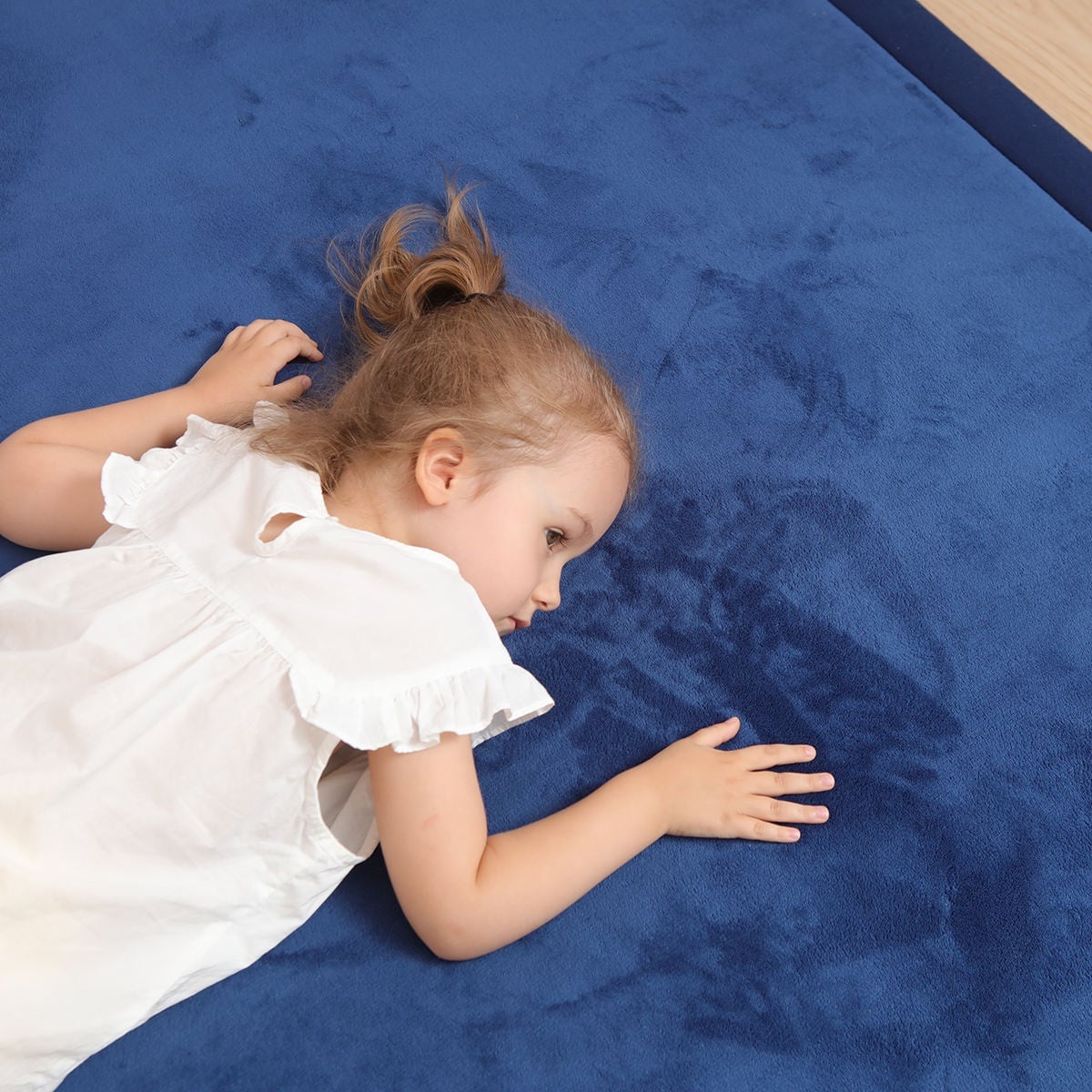
A foam mat offers excellent cushioning properties that protect against impact and reduce noise transmission, making it particularly valuable in residential and educational settings. When evaluating a foam mat against competing floor mat solutions, you'll want to examine material composition, durability expectations, maintenance requirements, safety certifications, cost per unit, and long-term value. This comprehensive guide walks you through the essential comparison factors that will help you make an informed decision about which mat type best suits your project or facility.
A foam mat typically consists of expanded polyethylene (EPE), ethylene-vinyl acetate (EVA), or polyurethane foam layers that provide cushioning and insulation. The foam mat's cellular structure traps air, which dissipates impact energy and creates a softer surface underfoot compared to rigid alternatives. Different foam mat densities range from lightweight options suitable for temporary use to high-density variants designed for commercial gymnasiums or training facilities. The construction method—whether the foam mat features closed-cell or open-cell foam—significantly affects water resistance, durability, and maintenance ease.
A foam mat excels in impact absorption, typically reducing shock transmission by 40-60% compared to hard flooring surfaces. The foam mat provides thermal insulation, keeping feet warmer than cold tile or concrete and reducing heating costs in climate-controlled spaces. Sound dampening is another critical advantage where a foam mat reduces noise reflection and foot traffic sounds that would echo off hard floors. Additionally, a foam mat offers sufficient traction for most activities while remaining portable enough for reconfiguration when space needs change.
Rubber mats typically outlast foam mats in high-traffic commercial environments, with lifespans reaching 10-15 years compared to 5-8 years for standard foam mat products. However, a foam mat maintains its cushioning properties more consistently over its lifespan, whereas rubber mats can harden and lose flexibility with age and UV exposure. The foam mat demonstrates superior performance in indoor-only environments where UV degradation and extreme temperature fluctuations are absent. Rubber mats excel in outdoor applications and areas subjected to constant machinery vibration, where a foam mat would compress excessively.
A foam mat typically costs 30-50% less than comparable rubber mat solutions, making it the economical choice for budget-conscious projects. Installation time favors the foam mat, which requires minimal preparation and can be placed directly over most existing floor surfaces without adhesive or fastening. Rubber mats often require professional installation, specialized adhesives, and proper substrate preparation, increasing project timelines and labor costs. The foam mat's lightweight construction simplifies transport and repositioning, whereas rubber mats demand heavy equipment and multiple installers for safe handling.
A foam mat with closed-cell construction resists moisture penetration better than carpet but typically trails vinyl in water protection capabilities. Vinyl mats offer superior waterproofing suitable for kitchens, bathrooms, and wet environments, while a foam mat performs optimally in dry to moderately damp conditions. Maintenance differs significantly: a foam mat requires simple sweeping and occasional spot-cleaning with mild detergent, whereas carpet demands regular vacuuming and professional cleaning services. Vinyl mats fall between these extremes, needing periodic mopping to maintain appearance but avoiding the deep-cleaning requirements of carpet.
A foam mat eliminates the allergen accumulation problems inherent to carpet while avoiding the chemical off-gassing sometimes associated with vinyl products. Soft foam mat surfaces reduce fall injuries in children's play areas and senior facilities more effectively than hard flooring or thin vinyl coverings. The foam mat is hypoallergenic and suitable for environments housing individuals with respiratory sensitivities or chemical sensitivities. Carpet harbors dust mites and bacteria despite frequent cleaning, making a foam mat the preferable choice for health-conscious applications including medical facilities and childcare centers.
Your choice between a foam mat and alternatives depends on anticipated foot traffic volume, environmental conditions, and performance requirements. High-traffic commercial gyms benefit from rubber mats' durability, whereas a foam mat suits home fitness spaces and light-to-moderate use environments. Wet areas like locker rooms and pool decks demand vinyl or rubber solutions, while a foam mat excels in gymnasiums, playrooms, studios, and offices. Consider temperature fluctuations: a foam mat performs reliably in climate-controlled indoor spaces but may deteriorate if exposed to extreme heat or prolonged UV radiation.
While initial purchase price favors the foam mat, calculating total cost of ownership requires examining replacement frequency, maintenance expenses, and operational benefits. A foam mat's lower upfront investment appeals to budget-limited projects, though replacing it more frequently than a rubber mat alternative may equalize lifetime costs. Energy savings from thermal insulation provided by a foam mat can offset initial pricing differences in climate-controlled facilities. Reduced cleaning labor compared to carpet, combined with the foam mat's lower replacement cost, often delivers superior economic value over 5-10 year periods despite rubber mats' greater longevity.
A foam mat in residential settings typically lasts 5-8 years with proper care and appropriate use. Lifespan depends on foot traffic intensity, environmental conditions, and maintenance practices. Placing the foam mat in dry, climate-controlled spaces away from direct sunlight maximizes durability. Protective coverings and avoiding sharp objects further extend the foam mat's functional life.
A foam mat can replace carpet in many residential applications, offering superior hygiene, easier maintenance, and better durability. The foam mat provides adequate cushioning for comfort while eliminating allergen and dust mite accumulation associated with carpet. However, aesthetic preferences and noise considerations may make carpet preferable in some décor-conscious spaces. A foam mat works particularly well in playrooms, basements, and utility areas where practicality outweighs design aspirations.
A foam mat requires minimal maintenance consisting of regular sweeping and occasional damp-mopping with mild soap and water. Unlike carpet, the foam mat needs no deep cleaning or specialized equipment, reducing long-term operational costs. Rubber mats demand similar basic cleaning but may require occasional sealing or UV protection applications. The foam mat's simplicity in care makes it ideal for busy facilities prioritizing operational efficiency and reduced labor overhead.

2026/11/02
Struggling to choose the right living room rugs? Avoid costly mistakes with expert insights on size, material, durability, style & care. Get your perfect rug.

2026/11/03
Worried about infant falls during crawling? Discover how cushioned baby play mats absorb impact, and support motor development. Get expert safety tips now.

2026/11/04
Struggling with messy spills and tummy time needs? Discover waterproof, sensory, and tummy-time-optimized play mat surface. Compare materials now.

2026/11/05
Can a kids play mat reduce noise? Discover how thickness, foam density & full coverage deliver real acoustic relief. Get the guide.

2026/11/06
Why do kids slip on tile, laminate & polished wood? Discover how premium non-slip play mats anchor securely AND absorb impact. Boost safety.

2026/11/09
Tired of scrubbing stains and battling odors? Discover the 5 key kids play mat features—waterproof surfaces, washable covers, non-slip grip. See what makes maintenance effortless.

