 EN

What Should Buyers Know Before Ordering Living Room Rugs?
2026/11/02
Struggling to choose the right living room rugs? Avoid costly mistakes with expert insights on size, material, durability, style & care. Get your perfect rug.
Sourcing a quality tummy time mat from reliable manufacturers requires careful research, clear evaluation criteria, and a structured vetting process. For businesses in the baby products sector, selecting the right tummy time mat manufacturers directly impacts product quality, brand reputation, safety compliance, and customer satisfaction. The manufacturing landscape for infant developmental products demands suppliers who understand safety standards, material science, and consumer expectations.
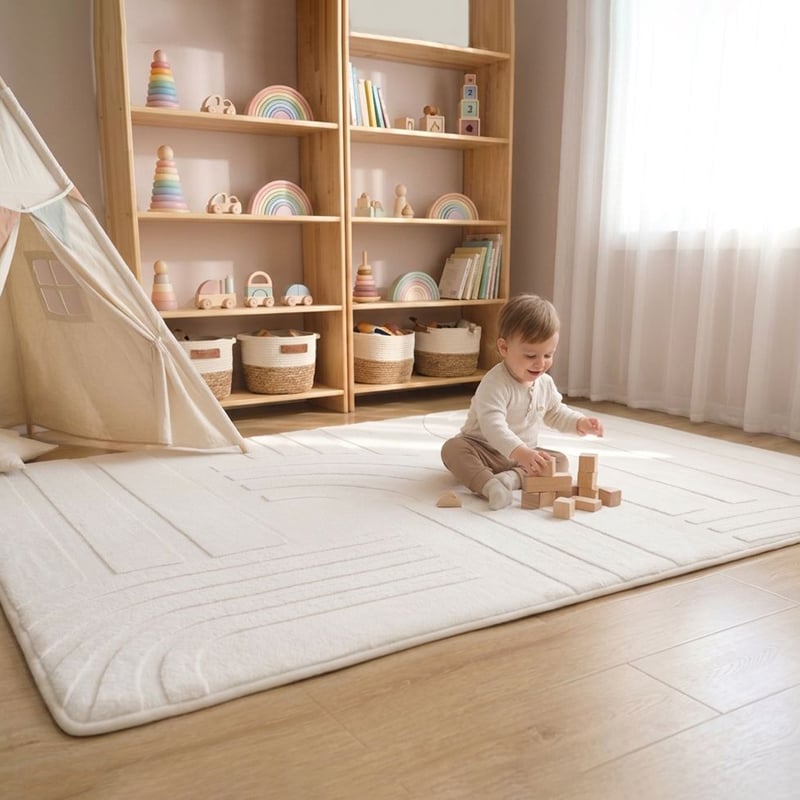
A reliable tummy time mat manufacturer combines technical expertise with a demonstrated commitment to safety, durability, and design innovation. When evaluating potential suppliers, you need to assess their manufacturing capabilities, quality control systems, certifications, production experience, and customer service responsiveness. This guide walks through the essential steps to identify and partner with manufacturers who consistently deliver products that meet your business requirements and customer expectations.
Leading tummy time mat manufacturers maintain compliance with international safety standards including CPSIA, ASTM F963, and EN 71 regulations. These certifications confirm that products undergo rigorous testing for harmful substances, choking hazards, flammability, and structural integrity. Manufacturers who prioritize compliance demonstrate their commitment to protecting infants and reducing liability risk for retailers and distributors. Request documentation of all certifications from potential suppliers and verify their validity through official regulatory databases.
Quality manufacturing facilities conduct in-house testing and maintain relationships with independent testing laboratories. This dual verification approach strengthens confidence in product safety and design reliability. Reputable tummy time mat manufacturers display certification badges prominently, maintain audit trails, and provide transparent documentation of their quality assurance processes.
The best tummy time mat manufacturers source premium materials that balance softness, safety, and longevity. Common quality materials include organic cotton, hypoallergenic fabrics, non-toxic foam layers, and water-resistant backing. Material quality directly affects user comfort, machine washability, color retention, and resistance to mildew and odor. Manufacturers should provide detailed material specifications, including GSM weight, thread count, and fabric certifications.
Durable tummy time mat designs withstand repeated washing, daily use, and exposure to moisture without degradation. When evaluating manufacturers, request samples and run your own durability tests including machine wash cycles, color fastness checks, and seam strength assessments. Experienced manufacturers will welcome this scrutiny and often provide detailed testing data from their own quality laboratories.
Reliable tummy time mat manufacturers maintain transparent communication about production capacity, minimum order quantities, and lead times. Verify their ability to scale production alongside your business growth and confirm their consistency in meeting deadlines. Request references from existing clients and follow up with direct contact to assess satisfaction levels, delivery reliability, and responsiveness to issues.
Production transparency signals professionalism and reduces supply chain risk. Manufacturers with clear capacity planning avoid overpromising and typically invest in modern equipment, trained workforce, and documented processes. Schedule facility tours whenever possible to personally evaluate their production environment, quality control checkpoints, and working conditions.
Superior tummy time mat manufacturers implement multi-stage quality control including incoming material inspection, in-process monitoring, and final product testing. These systems catch defects early and minimize the likelihood of quality issues reaching customers. Request detailed information about their quality control procedures, defect rates, and how they handle non-conforming products.
Quality-focused manufacturers track metrics like defect rates, customer complaints, and returns. They use this data to continuously improve processes and identify systemic issues before they escalate. When interviewing potential suppliers, ask specific questions about their quality metrics over the past twelve months and their response protocols when defects occur.
Manufacturers who prioritize customer relationships assign dedicated account managers, respond promptly to inquiries, and handle issues proactively. Strong communication prevents misunderstandings about specifications, timelines, and customization requests. Test their responsiveness during the evaluation phase by sending detailed inquiries and noting how quickly and thoroughly they respond.
Long-term supplier relationships thrive when manufacturers demonstrate flexibility, transparency, and genuine interest in your business success. Look for partners who offer technical support, assistance with product development, and willingness to discuss custom solutions or design modifications for your specific market needs.
Established tummy time mat manufacturers typically have visible industry presence through trade show participation, professional memberships, and published case studies. Research their history, years in business, and scope of current clients. Manufacturers with strong reputations often serve multiple market segments and maintain long-standing relationships with quality retailers and distributors.
Online reviews, industry forums, and professional networks provide insights into manufacturer reputation. Check business review platforms, B2B directories, and industry-specific forums for feedback from other businesses. Be cautious of manufacturers with limited online presence or negative patterns of complaints, as this may indicate operational challenges or quality issues.
Top-tier tummy time mat manufacturers invest in design innovation, ergonomic research, and trend awareness. They understand infant development needs and incorporate design features that enhance developmental benefits and appeal to modern parents. Ask about their design process, how they incorporate customer feedback, and whether they offer customization options for color, size, or functional features.
Manufacturers with strong design capabilities collaborate with child development experts, pediatricians, and ergonomic specialists. This expertise results in products that outperform competitors and create genuine value for end users. Evaluate their portfolio of products to assess design quality, consistency, and evolution over time.
Prioritize CPSIA compliance, ASTM F963 testing, and EN 71 certification for European markets. These certifications confirm the manufacturer meets rigorous safety standards for infant products. Additionally, look for GreenGuard or similar environmental certifications if sustainability matters to your brand positioning. Verify all certifications are current and have not been revoked or suspended through official regulatory channels.
Request product samples, detailed technical specifications, and quality documentation including test reports and material certifications. Ask for customer references and contact them directly to discuss their experience with product quality and consistency. Video conferencing tours of production facilities can provide valuable insights when in-person visits are not feasible. Review their documented quality metrics and ask specific questions about their defect rates and corrective action processes.
Ask about their current capacity utilization, maximum production per month, minimum order quantities, and typical lead times. Inquire how they handle rush orders and seasonal demand fluctuations. Request clarity on their ability to scale production if your orders grow significantly. Discuss their supply chain resilience and backup suppliers for critical materials to understand their risk mitigation strategies.

2026/11/02
Struggling to choose the right living room rugs? Avoid costly mistakes with expert insights on size, material, durability, style & care. Get your perfect rug.

2026/11/03
Worried about infant falls during crawling? Discover how cushioned baby play mats absorb impact, and support motor development. Get expert safety tips now.

2026/11/04
Struggling with messy spills and tummy time needs? Discover waterproof, sensory, and tummy-time-optimized play mat surface. Compare materials now.

2026/11/05
Can a kids play mat reduce noise? Discover how thickness, foam density & full coverage deliver real acoustic relief. Get the guide.

2026/11/06
Why do kids slip on tile, laminate & polished wood? Discover how premium non-slip play mats anchor securely AND absorb impact. Boost safety.

2026/11/09
Tired of scrubbing stains and battling odors? Discover the 5 key kids play mat features—waterproof surfaces, washable covers, non-slip grip. See what makes maintenance effortless.

