 EN

What Should Buyers Know Before Ordering Living Room Rugs?
2026/11/02
Struggling to choose the right living room rugs? Avoid costly mistakes with expert insights on size, material, durability, style & care. Get your perfect rug.
Sourcing a reliable weighted blanket supplier is critical for retailers, distributors, and wellness businesses seeking consistent quality and dependable partnerships. The weighted blanket market has grown significantly, with increased demand from therapeutic facilities, sleep wellness retailers, and direct-to-consumer brands. However, finding suppliers who consistently deliver quality products, meet lead times, and maintain transparent pricing requires a structured sourcing strategy. This guide walks you through the essential steps to identify and evaluate weighted blanket suppliers that align with your business requirements.
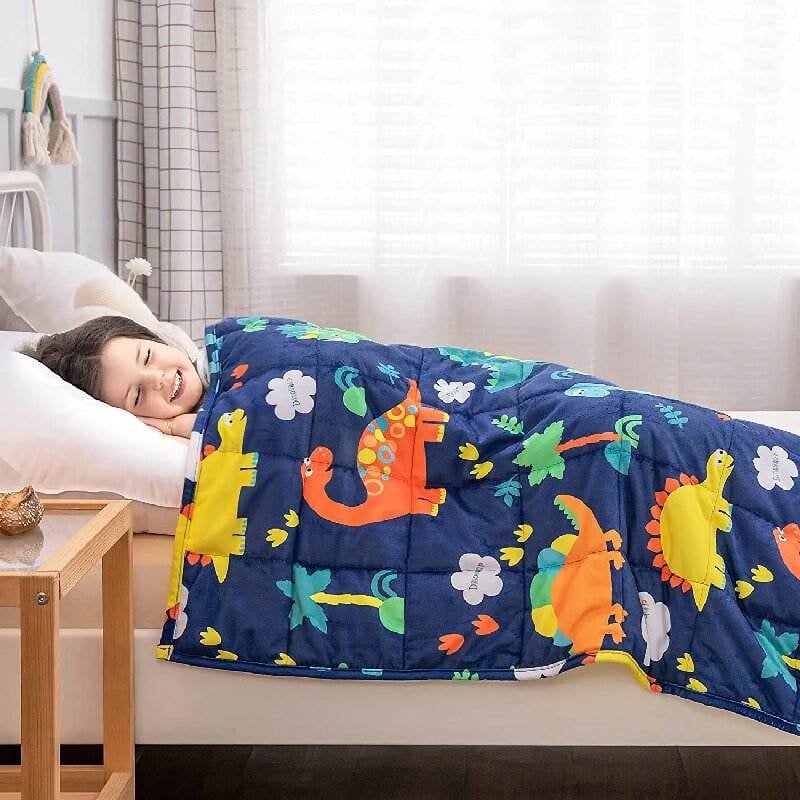
A weighted blanket supplier must demonstrate expertise in fabric selection, filling materials, weight distribution technology, and quality control standards. Reliable suppliers understand sensory product requirements, comply with safety certifications, and maintain production capacity to fulfill bulk orders without compromising product integrity. Establishing a supplier relationship goes beyond comparing price quotes; it requires evaluating their manufacturing capabilities, certifications, lead times, customization options, and commitment to consistent quality standards.
Reputable weighted blanket suppliers maintain certifications that demonstrate compliance with consumer safety regulations and quality management systems. Look for suppliers holding ISO 9001 certification, which indicates systematic quality control across production processes. Additionally, verify that your weighted blanket supplier meets OEKO-TEX or similar textile safety standards to ensure materials are free from harmful substances. Certifications like CPSC compliance for children's products, if applicable to your weighted blanket line, are non-negotiable for retailers serving younger demographics. Request documentation of safety testing results for filling materials, stitching integrity, and overall product durability.
Ask potential suppliers to provide detailed information about their quality control procedures for weighted blanket production. A reliable supplier should conduct weight verification testing on every batch, inspect stitching patterns for integrity, and test fabric durability against pilling and fading. Request samples from multiple production batches to assess consistency in weight distribution, fabric texture, and overall finish quality. Many leading weighted blanket suppliers employ third-party testing laboratories to validate product performance against stated specifications, reducing liability risk for your business.
Begin your search by identifying weighted blanket suppliers through industry databases, wholesale directories, and trade show exhibitions focused on textiles and wellness products. Trade shows specifically serving the sleep wellness and sensory product sectors provide direct access to multiple suppliers and showcase their latest weighted blanket innovations in one venue. Online B2B platforms such as Alibaba, Global Sources, and industry-specific marketplaces offer searchable supplier listings with verified credentials and buyer reviews. Once you identify potential weighted blanket suppliers, request their detailed product catalogs, minimum order quantities, and pricing structures for different volume tiers.
Evaluate how promptly and thoroughly each weighted blanket supplier responds to your inquiries. Reliable suppliers answer technical questions clearly, provide sample offerings without excessive delays, and maintain transparent communication throughout the sourcing process. Request their detailed response to custom specifications questions, such as fabric type preferences, weight options, or branding customization for weighted blanket orders. A supplier's willingness to discuss production timelines, quality guarantees, and handling of defective units reveals their professionalism and confidence in their weighted blanket quality standards. Request references from existing clients who have ordered weighted blankets at similar volumes to your anticipated needs.
Verify that your weighted blanket supplier maintains sufficient production capacity to meet your order volumes within acceptable lead times. Most suppliers quote standard lead times ranging from 30 to 60 days for bulk orders, though expedited options may carry premium costs. Discuss your anticipated order frequency and seasonal demand fluctuations with the weighted blanket supplier to ensure they can scale production accordingly. Request information about their inventory buffers, backup production facilities, and contingency plans to ensure your weighted blanket orders proceed smoothly even during supplier disruptions. Understanding their supply chain for key materials, particularly filling components and specialty fabrics, helps predict potential delays.
Request detailed pricing breakdowns for weighted blanket orders at multiple volume levels to understand discount scaling. Transparent weighted blanket suppliers itemize fabric costs, filling material expenses, labor, packaging, and logistics separately, allowing you to identify where costs concentrate. Compare pricing across suppliers while accounting for quality differences, lead time reliability, and included services such as color matching or custom packaging. Avoid suppliers offering pricing significantly below market averages, as this often indicates compromised material quality or labor practices. Establish a pricing agreement that specifies pricing stability periods, notification terms for cost increases, and any volume discount commitments for your weighted blanket orders.
Most weighted blanket suppliers establish minimum order quantities between 500 and 2,000 units per order, though this varies based on supplier size and your customization requirements. Smaller artisanal suppliers may accept smaller minimums, while large-scale manufacturers typically enforce higher minimums to justify production setup costs. Discuss your business size and anticipated order frequency with the weighted blanket supplier to negotiate realistic minimums that support mutual profitability while fitting your cash flow requirements.
Request samples from multiple production batches and weigh them independently to verify consistency within acceptable tolerances, typically plus or minus 2 percent. Review the weighted blanket supplier's quality control documentation, certification records, and third-party testing reports to assess their systematic quality approach. Contact existing clients of the weighted blanket supplier to inquire about their experience with batch-to-batch consistency and whether they encountered quality issues requiring returns or replacements over their relationship.
Include specifications for fabric type, weight tolerance, filling material composition, stitching patterns, packaging standards, lead times, pricing terms, and quality guarantees in your weighted blanket supplier contract. Specify the process for addressing defective units, acceptable defect rates, and return procedures for rejected batches. Establish intellectual property terms if you are providing custom designs or branding to the weighted blanket supplier, and clarify exclusivity agreements, if applicable, to protect your brand positioning.

2026/11/02
Struggling to choose the right living room rugs? Avoid costly mistakes with expert insights on size, material, durability, style & care. Get your perfect rug.

2026/11/03
Worried about infant falls during crawling? Discover how cushioned baby play mats absorb impact, and support motor development. Get expert safety tips now.

2026/11/04
Struggling with messy spills and tummy time needs? Discover waterproof, sensory, and tummy-time-optimized play mat surface. Compare materials now.

2026/11/05
Can a kids play mat reduce noise? Discover how thickness, foam density & full coverage deliver real acoustic relief. Get the guide.

2026/11/06
Why do kids slip on tile, laminate & polished wood? Discover how premium non-slip play mats anchor securely AND absorb impact. Boost safety.

2026/11/09
Tired of scrubbing stains and battling odors? Discover the 5 key kids play mat features—waterproof surfaces, washable covers, non-slip grip. See what makes maintenance effortless.

