 EN

What Should Buyers Know Before Ordering Living Room Rugs?
2026/11/02
Struggling to choose the right living room rugs? Avoid costly mistakes with expert insights on size, material, durability, style & care. Get your perfect rug.
Area rugs are a significant investment in your home's aesthetic and comfort, yet many homeowners overlook proper maintenance practices that can dramatically extend their lifespan. Whether you own vintage Persian rugs, modern shag styles, or practical low-pile options, understanding how to maintain area rugs is essential to preserve their beauty, texture, and structural integrity over decades. Regular care prevents dirt accumulation, protects fibers from damage, and helps your rugs maintain their original appearance despite daily foot traffic and environmental exposure.
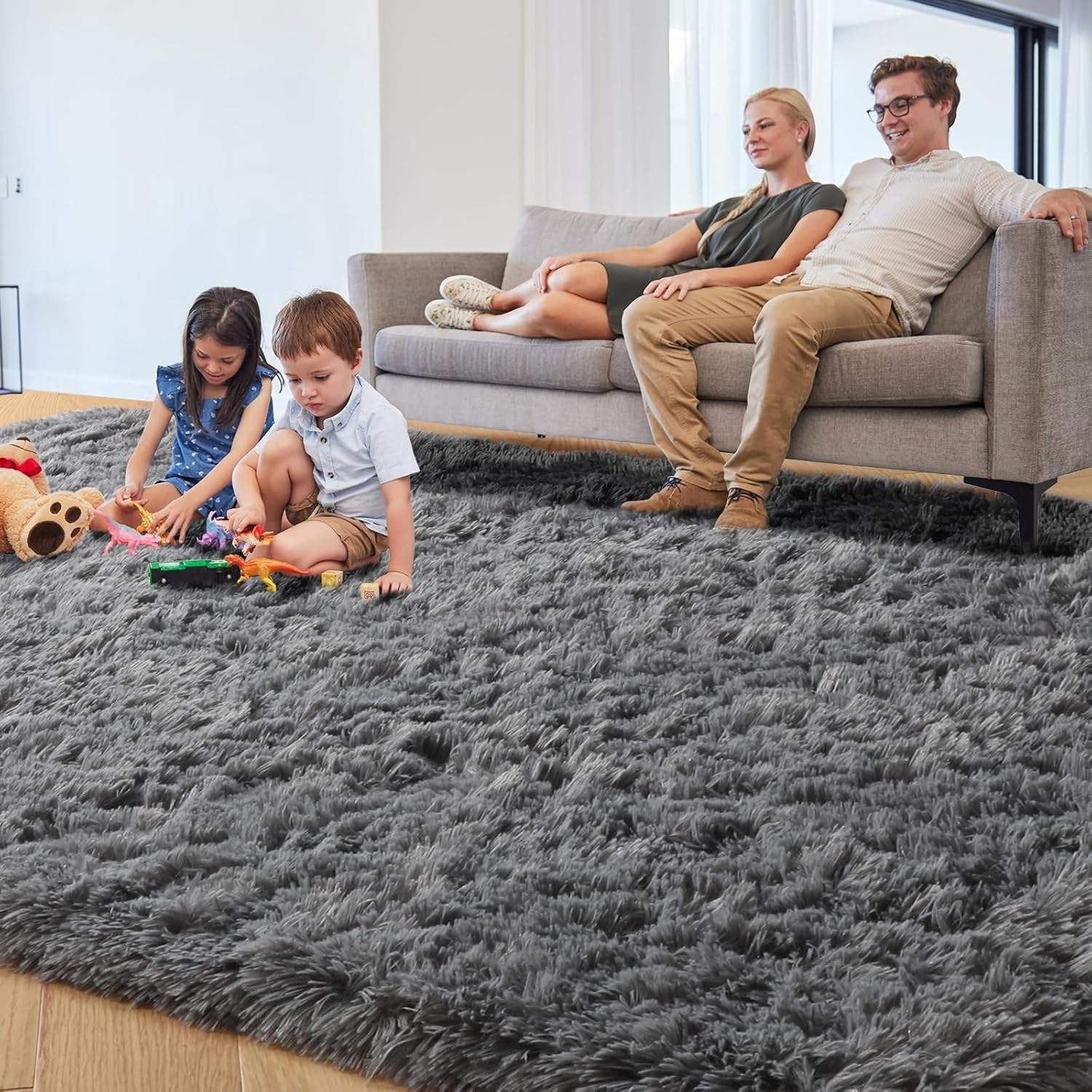
The key to long-term rug preservation lies in establishing a consistent maintenance routine that combines regular vacuuming, professional cleaning, spot treatment, and strategic placement decisions. Most homeowners unknowingly allow dust, allergens, and moisture to penetrate deep into rug fibers, leading to premature wear, color fading, and potential mold growth in humid climates. By implementing a structured approach to rug care, you can protect your flooring investment and ensure that your area rugs remain a beautiful focal point in your home for generations to come.
Vacuuming is the foundation of effective area rug maintenance. Dust particles settle into the pile and backing of rugs, creating an abrasive layer that damages fibers with each step. High-traffic areas should be vacuumed two to three times per week, while less-used sections benefit from weekly attention. For area rugs with deep pile or delicate fibers, use a vacuum with adjustable height settings to avoid pulling or matting the surface.
When vacuuming area rugs, work in multiple directions to lift dirt from different angles and ensure thorough dust extraction. Many people vacuum in only one direction, leaving debris trapped between fibers. Reverse direction or use diagonal passes to dislodge particles more effectively. For fringed edges, use a handheld vacuum or lift the fringe away from the vacuum path to prevent snags and unraveling over time.
Different materials require different vacuum approaches. Wool and natural fiber area rugs benefit from gentler suction settings, while synthetic options can tolerate higher power levels. Always check your rug manufacturer's recommendations before vacuuming. Avoid using beater bars on delicate or antique rugs, as aggressive mechanical action can break fibers and cause permanent damage to intricate weaving patterns that took skilled craftspeople months or years to create.
Beyond regular vacuuming, professional deep cleaning is crucial for maintaining area rugs in excellent condition. Most experts recommend annual professional cleaning, though high-traffic residential or commercial areas may benefit from semi-annual sessions. Professional cleaners use specialized equipment, hot water extraction, or dry cleaning methods that remove embedded soils, allergens, and bacteria that ordinary vacuuming cannot reach. This deep treatment revitalizes rug appearance and prevents buildup that accelerates fiber degradation.
Professional cleaning extends the life of area rugs significantly because technicians understand fiber composition and apply appropriate cleaning solutions. Wool, silk, and natural fiber rugs need gentler treatments than synthetic materials. Many homeowners attempt DIY deep cleaning with rental machines, but improper technique can oversaturate backing material, leading to mildew and structural damage. Investing in professional services protects your flooring investment far more cost-effectively than replacing damaged rugs prematurely.
Prompt stain treatment is essential for preventing permanent damage to area rugs. Blot spills immediately with clean, white cloths rather than rubbing, which pushes stains deeper into fibers. For liquid spills, start from the outer edges and work toward the center to contain the stain. Test any cleaning solution on a hidden corner first to verify it does not cause discoloration or fiber damage before applying it to visible areas.
Different stains require different treatments. Protein-based stains like blood or urine need enzymatic cleaners, while grease stains respond better to absorbent powders followed by dry cleaning methods. For stubborn or unusual stains, consult a professional cleaner rather than risk making the problem worse. Delicate or antique area rugs should always be handled by professionals who understand specialized restoration techniques and can prevent irreversible damage.
Rug pads are essential protective layers that serve multiple functions for maintaining area rugs. Quality pads prevent shifting and bunching during foot traffic, reduce slipping hazards, and protect your subfloor from moisture and stains caused by backing material degradation. Non-slip pads also prevent rug wrinkling, which causes permanent creasing in fibers and creates safety tripping hazards in households with children or elderly residents.
Choose rug pads specifically designed for your floor type, whether hardwood, tile, or laminate. Rubber pads work best on hard surfaces, while felt pads are gentler on finished woods. Ensure pads are slightly smaller than your rug to avoid visible edges that create tripping hazards. Properly installed pads distribute weight more evenly across your subfloor, reducing structural stress and protecting both your rug and flooring investment simultaneously.
Where you place area rugs significantly impacts their longevity and appearance. Direct sunlight causes color fading and fiber brittleness over time, so position rugs away from large windows or use UV-blocking window treatments in sunny rooms. High-moisture areas like bathrooms and kitchens create humidity conditions that encourage mold and mildew growth in rug backing materials, so reserve these spaces for washable rugs or durable synthetic options designed for moisture exposure.
Rotate area rugs every three to six months to distribute wear patterns evenly and prevent permanent traffic lanes that develop in high-use zones. This simple practice extends rug life dramatically by allowing fibers to recover and ensuring no single section bears excessive stress. In rooms with furniture legs resting on rugs, periodically move furniture slightly to prevent permanent indentations that compromise appearance and create uneven surface textures.
High-traffic areas with area rugs should be vacuumed two to three times weekly, while lightly used zones need weekly attention. Regular vacuuming prevents dust from settling into fibers and causing premature wear. Using multiple directional passes ensures thorough dust extraction and maintains rug appearance effectively.
While regular vacuuming and spot treatment can be handled at home, professional deep cleaning remains essential for thorough maintenance. DIY deep cleaning risks oversaturating backing materials, causing mildew and structural damage. Professional cleaners understand different fiber types and apply appropriate solutions, protecting your investment far better than rental machines operated without specialized training.
Choose rug pads matched to your floor type: rubber pads for hard surfaces like tile or laminate, and felt pads for finished wood floors. Quality pads prevent shifting, reduce slipping hazards, and protect backing material from moisture damage. Ensure pads are slightly smaller than your rug to avoid visible edges and maintain safety standards for your household.

2026/11/02
Struggling to choose the right living room rugs? Avoid costly mistakes with expert insights on size, material, durability, style & care. Get your perfect rug.

2026/11/03
Worried about infant falls during crawling? Discover how cushioned baby play mats absorb impact, and support motor development. Get expert safety tips now.

2026/11/04
Struggling with messy spills and tummy time needs? Discover waterproof, sensory, and tummy-time-optimized play mat surface. Compare materials now.

2026/11/05
Can a kids play mat reduce noise? Discover how thickness, foam density & full coverage deliver real acoustic relief. Get the guide.

2026/11/06
Why do kids slip on tile, laminate & polished wood? Discover how premium non-slip play mats anchor securely AND absorb impact. Boost safety.

2026/11/09
Tired of scrubbing stains and battling odors? Discover the 5 key kids play mat features—waterproof surfaces, washable covers, non-slip grip. See what makes maintenance effortless.

