 EN

What Should Buyers Know Before Ordering Living Room Rugs?
2026/11/02
Struggling to choose the right living room rugs? Avoid costly mistakes with expert insights on size, material, durability, style & care. Get your perfect rug.
Selecting the right area rugs is one of the most effective ways to transform a room's appearance and create a cohesive design scheme. Whether you are decorating a modern apartment, a traditional home, or an eclectic living space, area rugs play a critical role in anchoring furniture, defining zones, and expressing your personal style. The right rug choice can tie together disparate elements, soften hard flooring, and establish the mood of an entire room. Understanding how to match area rugs with different room styles ensures that your selection enhances rather than clashes with your existing décor.
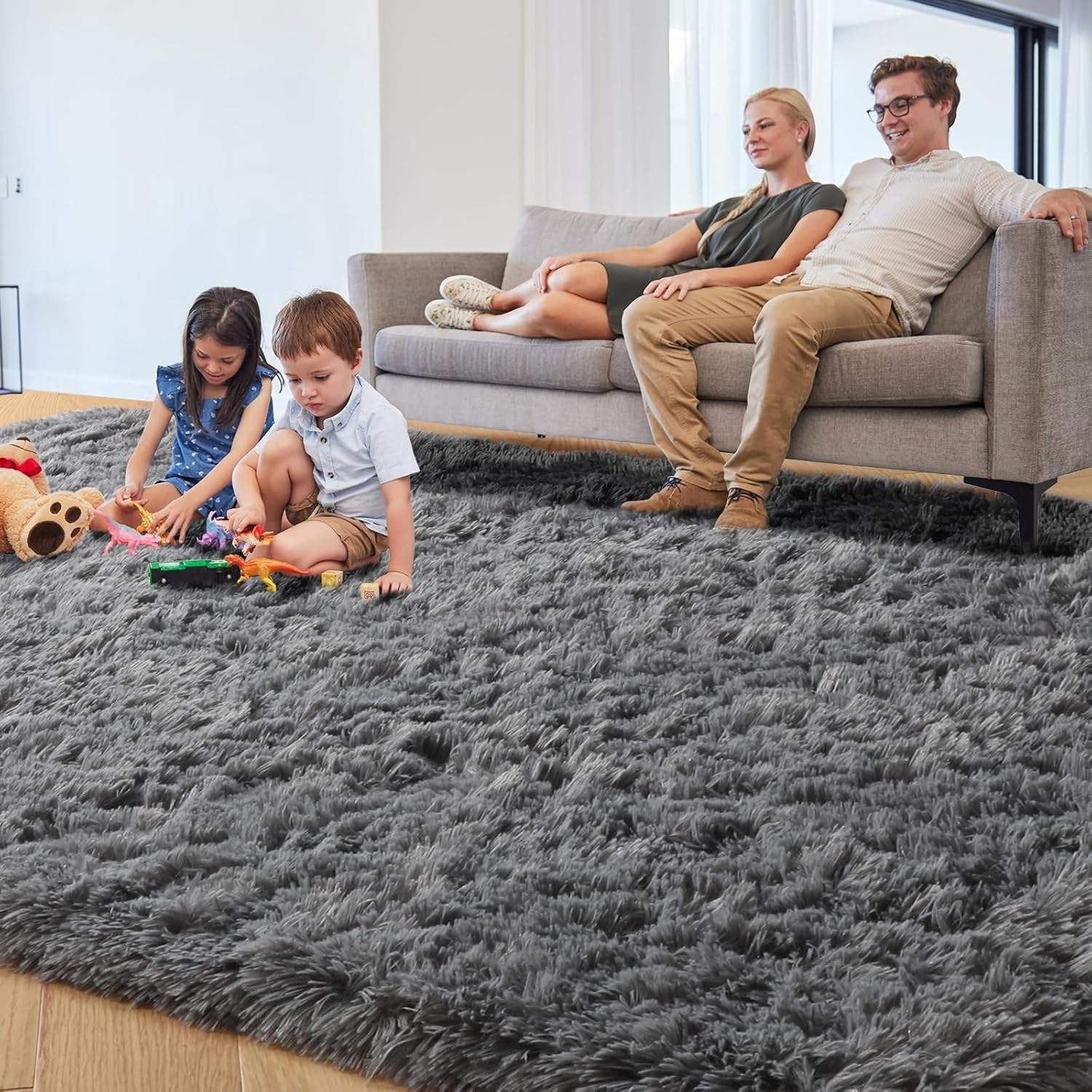
Matching area rugs to your room's aesthetic involves understanding both the fundamental principles of design and the specific characteristics of your space. Color, texture, pattern, material, and size all contribute to how a rug integrates with your room style. A minimalist living room demands different considerations than a maximalist bedroom, and traditional spaces call for distinct rug characteristics compared to contemporary homes. By learning these matching strategies, you can confidently select area rugs that complement your room's style while creating visual balance and functional comfort.
Color is the most immediately visible aspect of area rugs, making it essential to coordinate with your room's existing palette. In modern minimalist rooms, neutral-toned area rugs such as beige, gray, or soft white create a clean, uncluttered appearance. These colors allow other design elements to stand out while maintaining visual calm. For traditional or classic spaces, warm earth tones, deep burgundies, or rich browns in area rugs establish elegance and timeless appeal. Contemporary rooms often benefit from bold jewel tones or muted pastels in area rugs that reflect current design trends without overwhelming the space. Industrial or transitional styles pair well with charcoal, taupe, or layered neutral area rugs that balance cool and warm undertones.
The pattern complexity of area rugs should reflect your room's overall design intensity. Rooms with busy wallpapers, colorful furniture, or intricate architectural details benefit from solid or subtly patterned area rugs that provide visual rest. Conversely, simpler rooms with minimal décor can accommodate bolder geometric patterns, Persian designs, or textured area rugs without appearing chaotic. Texture adds another dimension to pattern consideration—plush, soft area rugs create comfort and luxury in bedrooms and living rooms, while flat-weave or low-pile area rugs work better in high-traffic areas like entryways and kitchens. Blending pattern and texture prevents your space from feeling either too predictable or visually overwhelming.
Size directly impacts how area rugs affect your room's proportions and functionality. In living rooms, area rugs should ideally anchor seating arrangements, with front furniture legs sitting on the rug while back legs rest off it, creating a unified conversational zone. Dining rooms benefit from area rugs large enough that all chair legs rest on the surface even when pulled out from the table. Bedrooms traditionally feature area rugs placed at the foot of the bed or on both sides for symmetry and warmth. Oversized area rugs can make small rooms feel larger and more intentional, while undersized rugs in large spaces create disconnection. Understanding your room's dimensions and furniture layout ensures area rugs serve both aesthetic and practical purposes, defining spaces naturally without appearing misplaced.
Advanced design often employs layering techniques where multiple area rugs create depth and visual interest. A smaller decorative rug placed atop a larger neutral one adds personality while maintaining balance. This approach works particularly well in eclectic or bohemian spaces where diverse textures and colors celebrate individual style. Open-plan homes benefit from area rugs that define separate zones—a rug for the living area, another for the reading nook, and a distinct one for the dining space. When layering area rugs, ensure color and pattern relationships feel intentional rather than accidental, with complementary tones and scales that enhance rather than confuse the visual narrative.
Traditional rooms benefit from area rugs with classic patterns such as Persian, Oriental, or damask designs featuring intricate details and sophisticated color palettes. These area rugs should feature quality materials like wool or high-grade synthetics that age beautifully and develop character over time. Rich jewel tones, deep reds, and warm neutrals create the elegance that traditional spaces demand. Victorian and transitional styles pair beautifully with ornate area rugs featuring fringe or tassels, enhancing the formal aesthetic. Quality construction and established rug styles signal respect for classical design principles, making traditional spaces feel refined and intentional.
Contemporary design philosophy embraces simplicity, making solid-colored or subtly geometric area rugs ideal choices. Neutral grays, blacks, whites, and soft taupes in area rugs maintain the clean lines that characterize modern interiors. Low-profile, flat-weave constructions suit contemporary aesthetics better than shaggy textures, though some modern designs incorporate plush elements strategically. Minimalist rooms specifically benefit from area rugs in single colors that create visual anchoring without decoration. Scandinavian styles favor light, natural-toned area rugs with minimal pattern, reflecting the region's design heritage of simplicity and functionality. These selections ensure area rugs enhance rather than distract from contemporary design intent.
Bohemian and eclectic interiors celebrate artistic expression, making colorful, patterned area rugs central design elements. Kilim patterns, Turkish designs, and globally-inspired area rugs with mixed colors create visual richness and cultural character. Layered area rugs with varying textures and patterns—combining flatweave with shag, mixing geometric with floral—express individual personality. Jewel tones, warm earth colors, and unexpected color combinations feel authentic in these spaces rather than clashing. Boho design philosophy encourages area rugs that tell stories, whether through traditional craftsmanship, artistic patterns, or culturally significant designs that spark conversation and reflect the inhabitant's journey.
A properly sized rug should anchor your furniture arrangement with at least the front legs of major pieces resting on the rug. In living rooms, all four legs of seating should ideally touch the rug surface. If the rug appears isolated or doesn't define the seating zone, it is likely too small. If the rug extends all the way to walls and eliminates border flooring, it may be oversized for the space. Professional designers often suggest that area rugs should be two-thirds the size of the room's total floor area for balanced proportions.
Yes, but you must exercise strategic restraint. When your room already features multiple patterns through wallpaper, upholstery, or artwork, choose area rugs in solid colors or very subtle geometric patterns that complement rather than compete. The rug should tie colors together from existing elements without adding visual chaos. Alternatively, select area rugs that echo a secondary color from your wallpaper or furnishings in a simpler weave pattern. The goal is visual harmony—your area rugs should feel intentional and coordinated, creating cohesion rather than overwhelming the space.
Durability is paramount in high-traffic areas like entryways, hallways, and family rooms. Synthetic fibers, wool blends, and natural jute area rugs resist wear better than delicate materials. Low-pile or flatweave constructions hide dirt and footprints more effectively than plush textures. Dark or multi-colored area rugs show less visible wear than light solids. Consider stain-resistant treatments for area rugs in spaces prone to spills. In these practical settings, area rugs should balance aesthetic appeal with realistic durability expectations, ensuring they maintain appearance throughout their functional lifespan.

2026/11/02
Struggling to choose the right living room rugs? Avoid costly mistakes with expert insights on size, material, durability, style & care. Get your perfect rug.

2026/11/03
Worried about infant falls during crawling? Discover how cushioned baby play mats absorb impact, and support motor development. Get expert safety tips now.

2026/11/04
Struggling with messy spills and tummy time needs? Discover waterproof, sensory, and tummy-time-optimized play mat surface. Compare materials now.

2026/11/05
Can a kids play mat reduce noise? Discover how thickness, foam density & full coverage deliver real acoustic relief. Get the guide.

2026/11/06
Why do kids slip on tile, laminate & polished wood? Discover how premium non-slip play mats anchor securely AND absorb impact. Boost safety.

2026/11/09
Tired of scrubbing stains and battling odors? Discover the 5 key kids play mat features—waterproof surfaces, washable covers, non-slip grip. See what makes maintenance effortless.

