 EN

What Should Buyers Know Before Ordering Living Room Rugs?
2026/11/02
Struggling to choose the right living room rugs? Avoid costly mistakes with expert insights on size, material, durability, style & care. Get your perfect rug.
Choosing the right play mat for your home or playroom is one of the most important decisions parents and caregivers face when creating a safe, comfortable play environment. A quality play mat provides more than just a soft surface—it offers protection, defines play zones, and contributes to overall child development and safety. Whether you are setting up a nursery, playroom, or designated play area, understanding the key selection criteria will help you invest in a product that truly meets your family's needs and delivers long-term value.
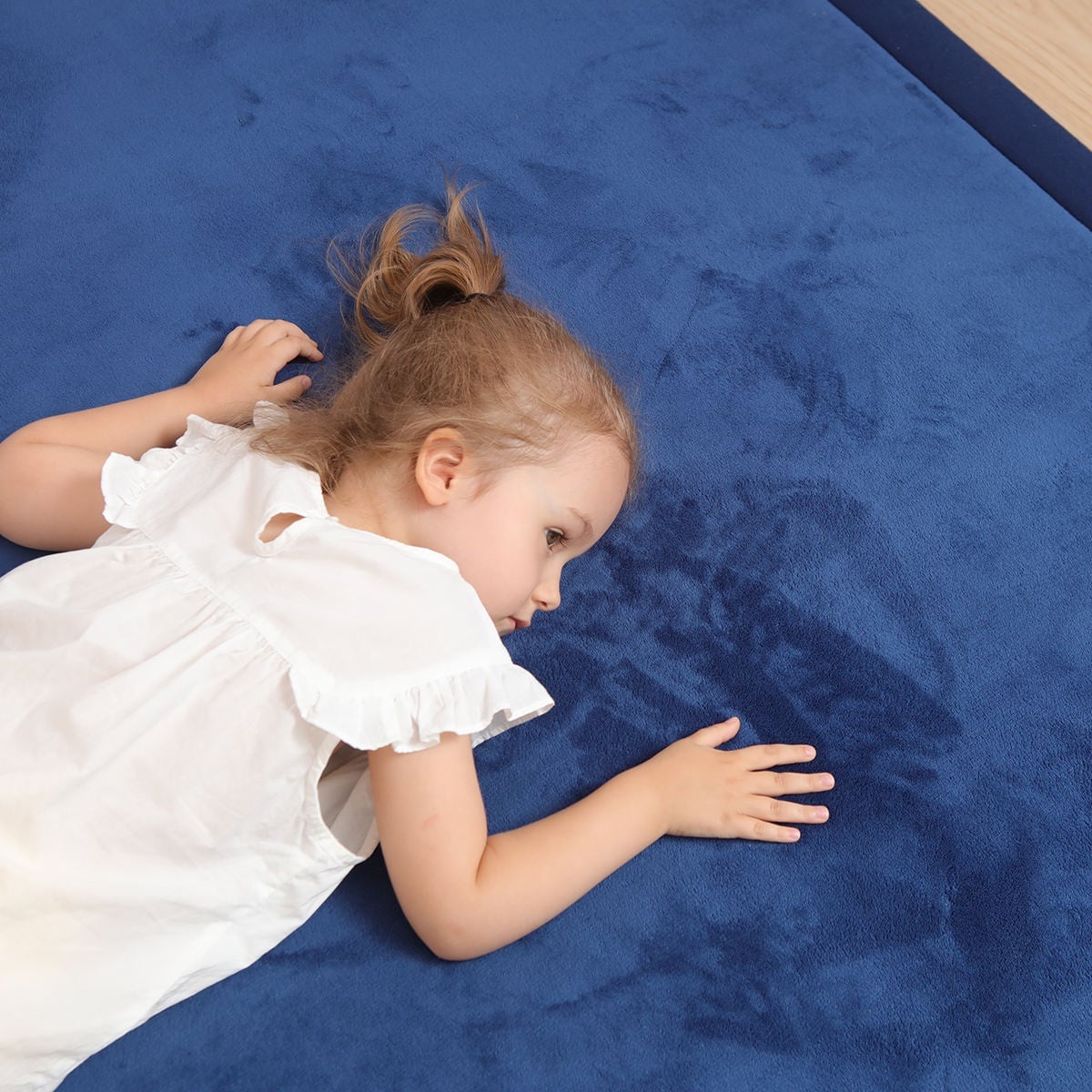
The process of selecting a play mat requires careful consideration of multiple factors working together to ensure safety, durability, and suitability for your specific space. A poorly chosen play mat can lead to inadequate protection, quick deterioration, difficulty in cleaning, or misalignment with your room's aesthetic and functional needs. This guide walks you through the essential criteria that make the difference between an average play mat and one that truly serves your family well for years to come.
The foundation of any quality play mat begins with its material composition. Most modern play mats use foam, rubber, or fabric-covered composites that balance cushioning with stability. When evaluating a play mat, look for non-toxic, hypoallergenic materials that won't off-gas harmful chemicals into your home's air. Closed-cell foam provides excellent cushioning while resisting moisture penetration, making maintenance easier. The thickness of your play mat directly affects its protective capabilities—thicker versions offer superior shock absorption for active play and falling. Check certifications from recognized safety organizations to confirm the play mat meets strict standards for chemical content, flame resistance, and material safety.
Children spend extended time directly in contact with their play mat, so material safety cannot be overemphasized. Look for play mats constructed from food-grade or medical-grade materials that have passed rigorous third-party testing. Breathability matters too—your play mat should allow adequate air circulation to prevent moisture accumulation and mold growth. Consider whether your family members have sensitive skin or known allergies, as this may influence which play mat composition works best. The durability of the play mat's materials also relates to health, since a deteriorating mat may shed particles or develop cracks that create safety hazards.
Before shopping for a play mat, measure your intended space precisely and plan how the mat will fit within your room layout. Consider the type of activities your children will engage in—tumbling and rolling require more space than quiet play with blocks or toys. A play mat that's too small fails to provide adequate coverage for active play and increases injury risk from children rolling onto hard floors. Conversely, an oversized play mat may consume valuable room space or create tripping hazards at the edges. Standard play mat sizes range from small portable mats around 3x5 feet to expansive playroom mats exceeding 10x12 feet. Measure the space while accounting for furniture placement, doorways, and storage areas to determine the ideal play mat dimensions for your home. Remember that a slightly larger play mat is usually safer than one that barely fits, since it provides buffer zones around the perimeter.
Your play mat's weight, foldability, and overall portability directly impact its practical usefulness in your home. The ease of setup and takedown influences how consistently your family actually uses the play mat, so factor this convenience element into your selection decision.
Investing in a durable play mat means your purchase will withstand years of active use, spills, and daily wear without degrading. Quality play mat construction features reinforced stitching, wear-resistant top surfaces, and materials engineered to resist creasing and permanent indentations. The expected lifespan of a play mat varies widely—budget options may last one to two years, while premium play mats often perform reliably for five to ten years depending on usage intensity. Higher-density foams and professional-grade fabrics provide superior longevity but typically command higher initial prices. Examine the play mat's warranty and return policies before purchasing, as these reflect the manufacturer's confidence in the product's durability. Reading reviews from parents who have used the same play mat for extended periods offers real-world insight into actual lifespan and wear patterns you can expect.
A play mat that resists stains, resists odors, and cleans easily will remain hygienic and fresh-looking throughout its lifespan. Most quality play mats feature machine-washable removable covers or tops that can be cleaned weekly without requiring full mat replacement. Check whether your play mat is compatible with standard household cleaning methods or requires specialized, expensive treatments. Sealed seams and finished edges on your play mat reduce opportunities for bacteria and dirt to become trapped in crevices. Some play mat brands include stain-resistant coatings that make cleanup faster and maintain appearance even after months of active use by young children. Realistic assessment of cleaning requirements ensures your play mat remains safe and pleasant for your family long-term.
Beyond basic cushioning, a well-selected play mat includes thoughtful safety features that prevent common injuries. Secure, non-slip bases keep your play mat anchored to the floor and prevent accidental movement that could cause tripping. Sealed, finished edges eliminate the risk of sharp corners, fraying fabric, or exposed foam that children might chew or inhale. Check that your play mat has no small detachable parts that could become choking hazards during active play. Anti-skid surfaces on the top of the play mat prevent children from sliding and losing their footing during running or tumbling activities. Consider whether your play mat includes a moisture barrier on the underside to protect hardwood floors from sweat, spills, or accidents that might cause long-term damage to expensive flooring.
Different ages and developmental stages require different play mat features and specifications. Infants and toddlers benefit from softer, thicker play mats with minimal surface texture that could cause irritation or present choking risks. Older children engaged in more dynamic play benefit from play mat designs that provide stable, responsive cushioning for running, jumping, and rolling activities. Temperature regulation matters too—some play mat materials stay cool to the touch in warm climates, while others provide insulating warmth for basements or unheated playrooms. Involving your children in the selection process, when age-appropriate, helps ensure the final play mat truly supports their preferred play styles and comfort preferences.
Thickness depends on age and activity level. Infants and toddlers typically need play mats at least 0.5 to 1 inch thick for gentle cushioning. Toddlers and preschoolers benefit from 1 to 2-inch thickness that provides adequate shock absorption for active play. Older children and families engaging in gymnastics or tumbling activities should consider 2 to 3-inch play mats. Thicker isn't always better—extremely thick play mats can become unstable or difficult to store. Most safety experts recommend choosing the thickest play mat that your space and budget allow, as this provides maximum injury prevention during falls and active play.
Frequent, light cleaning extends your play mat's lifespan and maintains hygiene. Spot-clean visible spills and stains immediately, and perform weekly deep cleaning of high-contact areas. Machine-wash removable play mat covers monthly following manufacturer instructions. Full play mat replacement depends on wear patterns and material quality—budget play mats may need replacement annually, while premium options last five to ten years with proper care. Signs your play mat needs replacement include permanent indentations, tears or seam separation, visible deterioration, persistent odors, or visual mold growth that won't clean away.
Yes, most quality play mats work well on hardwood and tile with proper preparation. Ensure your play mat includes a moisture barrier on the underside to protect expensive hardwood from sweat and spills. Use a non-slip underlay beneath your play mat on smooth tile to prevent sliding and slipping hazards. Place felt pads or protective barriers at contact points between the play mat and hardwood to reduce friction and wear marks. Ensure air circulation underneath to prevent moisture accumulation between the mat and floor. Inspect hardwood regularly after play mat use for signs of damage—tiles are typically more resilient to moisture exposure than hardwood floors.

2026/11/02
Struggling to choose the right living room rugs? Avoid costly mistakes with expert insights on size, material, durability, style & care. Get your perfect rug.

2026/11/03
Worried about infant falls during crawling? Discover how cushioned baby play mats absorb impact, and support motor development. Get expert safety tips now.

2026/11/04
Struggling with messy spills and tummy time needs? Discover waterproof, sensory, and tummy-time-optimized play mat surface. Compare materials now.

2026/11/05
Can a kids play mat reduce noise? Discover how thickness, foam density & full coverage deliver real acoustic relief. Get the guide.

2026/11/06
Why do kids slip on tile, laminate & polished wood? Discover how premium non-slip play mats anchor securely AND absorb impact. Boost safety.

2026/11/09
Tired of scrubbing stains and battling odors? Discover the 5 key kids play mat features—waterproof surfaces, washable covers, non-slip grip. See what makes maintenance effortless.

