 EN

What Should Buyers Know Before Ordering Living Room Rugs?
2026/11/02
Struggling to choose the right living room rugs? Avoid costly mistakes with expert insights on size, material, durability, style & care. Get your perfect rug.
Choosing the right play mats for babies is one of the most important decisions parents make during early childhood development. The correct play mat supports motor skill development, provides a safe environment for exploration, and contributes to cognitive growth across different developmental stages. Babies grow rapidly, and their needs change dramatically from newborn to toddler, making age-appropriate selection essential for both safety and developmental benefit.
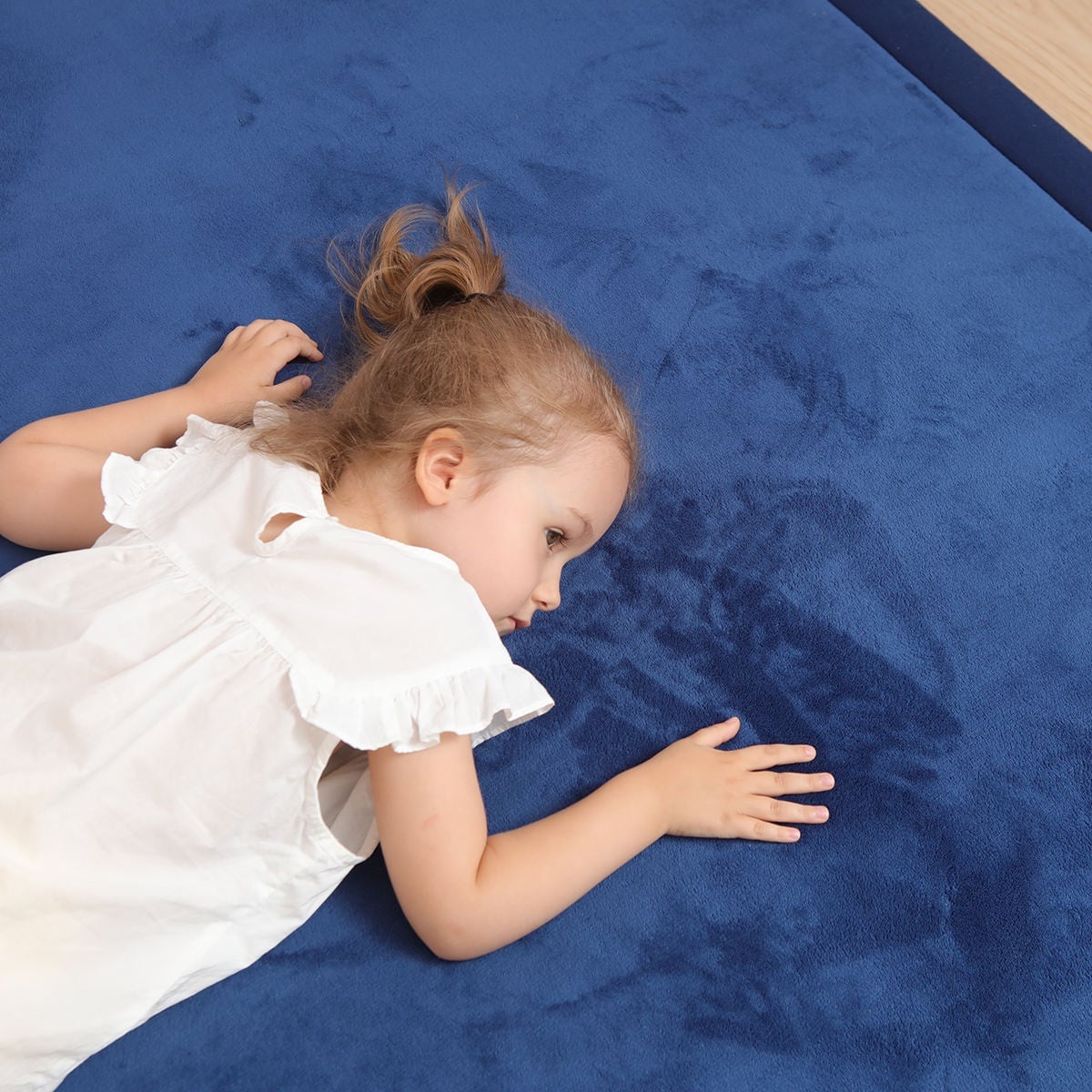
Understanding the specific requirements for each age group ensures you invest in a mat that grows with your child and meets evolving physical and sensory needs. From the soft, padded surfaces newborns require to the interactive features older babies enjoy, selecting appropriate play mats for babies at different ages requires careful consideration of thickness, material composition, safety certifications, and developmental appropriateness. This guide walks you through each stage, helping you make informed decisions that support healthy development while maintaining the highest safety standards.
Newborns need play mats for babies that prioritize comfort and protection above all else. During the first three months, babies spend most of their time lying flat, making cushioning and surface texture critically important. The ideal newborn play mat should feature substantial padding, typically two to four inches thick, to protect developing joints and provide spinal support on hard floors. Materials must be hypoallergenic and free from harmful chemicals, as newborns have sensitive skin and may come into contact with the mat surface during tummy time and rest periods.
Safety certifications become paramount when selecting play mats for babies at the newborn stage. Look for mats that meet CPSC standards, contain no phthalates or BPA, and have been tested for flame resistance. The surface should be easy to clean and maintain since newborns frequently experience diaper leaks and spit-up. Moisture-resistant backing prevents liquid from seeping through to your floor, while seamless construction eliminates potential choking hazards from loose threads or peeling edges.
As babies progress from three to six months, their motor skills begin developing more noticeably, requiring play mats for babies that encourage movement while maintaining safety. Babies at this age start reaching, grasping, and rolling, making surface grip and mat stability essential features. The play mat should remain firmly in place during active movement, with a non-slip base that prevents sliding or bunching when babies shift their weight. Many parents prefer slightly lighter padding at this stage—around two to three inches—to allow easier movement without sacrificing protective cushioning.
Introducing subtle sensory elements becomes appropriate for this age group. Play mats for babies designed for three to six month olds may incorporate different fabric textures, gentle patterns, or removable sensory toys. However, these additions should never compromise the mat's primary function of providing a safe, clean play surface. Washability becomes increasingly important as babies begin exploring their environment more actively and may drool more frequently.
Between six and twelve months, babies develop significantly increased mobility through crawling, pulling to stand, and cruising. Play mats for babies in this age range must support these dynamic movements while maintaining protective cushioning during inevitable falls. Padding thickness should remain adequate—at least one and a half to two inches—to absorb impact during falls, which become more frequent as babies practice standing. The mat's surface should provide adequate grip to help babies gain traction when attempting to pull themselves up or crawl across the surface.
Color and visual stimulation become more important for this developmental stage. Play mats for babies aged six to twelve months often feature bright colors and engaging patterns that support visual development and encourage exploration. Durability becomes increasingly critical as active babies put significant wear on mat surfaces through crawling and play. Look for mats with reinforced seams and high-quality materials that withstand frequent washing and vigorous use without degrading or showing excessive wear.
Toddlers between twelve and twenty-four months require play mats for babies that accommodate walking, running, jumping, and increasingly complex play scenarios. At this stage, babies become true toddlers with greater strength and coordination. Play surface stability becomes crucial, as toddlers move more quickly and may attempt activities that could cause falls. A non-slip surface prevents accidents and provides the secure footing toddlers need as they develop balance and coordination skills.
Interactive features can be incorporated into play mats for babies at this age without compromising safety. Some mats include built-in activity stations, sensory zones, or detachable toys that engage toddlers' developing cognitive abilities. However, all additions must be securely attached to prevent detachment and choking hazards. Thickness can be reduced slightly to one and a half inches, as older toddlers have stronger bones and more developed protective reflexes than younger infants, though adequate cushioning remains important.
All play mats for babies must meet established safety standards regardless of age. Certification by organizations like the Consumer Product Safety Commission ensures the mat has been tested for harmful substances, flame resistance, and structural integrity. Non-toxic materials are non-negotiable, as babies explore with their mouths and hands. The mat should contain no lead paint, phthalates, heavy metals, or volatile organic compounds that could harm developing bodies and sensitive respiratory systems.
The play mat's construction must prevent entanglement hazards and contain no loose parts or removable elements for younger babies. Seams should be finished securely to prevent fraying, and any attached toys or sensory features must withstand pulling and tugging without detaching. Check that the mat has no sharp edges, small parts, or potential pinch points. A moisture-resistant or waterproof backing protects flooring and prevents bacterial growth that could harm baby health during extended use on various surfaces.
The best play mats for babies use high-quality foam cores with durable fabric covers. Closed-cell foam resists moisture and bacterial growth better than open-cell alternatives, making it more hygienic for babies who spend hours on the mat. The fabric surface should be soft, washable, and resistant to staining from common baby incidents like food, diaper accidents, and milk spills. Hypoallergenic materials minimize reactions in babies with sensitive skin or allergies.
Thickness and density of foam directly influence the play mat's protective qualities and longevity. Higher-density foam maintains its cushioning properties longer, resisting compression and flattening from consistent use. The combination of appropriate thickness, quality foam, and durable fabric covering determines how well the play mats for babies will protect your child while withstanding regular cleaning and active play. Investing in higher-quality construction pays dividends through extended usability and better protection across multiple children in growing families.
Textured play mats for babies can be safely introduced around three to four months when babies begin developing more sophisticated sensory awareness and tactile exploration. At this age, babies are developmentally ready to explore different textures through touch and are less likely to put mat materials in their mouths. However, any textured elements must be firmly attached and safe for infant contact. Always verify that textured additions meet safety standards and don't present choking hazards before introducing them to younger babies.
Quality play mats for babies typically last two to three years with proper care and maintenance. Replacement depends on visible wear, compression of padding, or visible damage to safety features. Check regularly for signs of deterioration including flattened foam, tears in fabric covers, or peeling seams. If the mat shows signs of wear that compromise safety or cushioning effectiveness, replacement becomes necessary regardless of age. Regular cleaning extends mat lifespan while regular inspection ensures continued safety for your baby.
Yes, quality play mats for babies work on all common floor types including hardwood, tile, laminate, and carpet. A non-slip base prevents sliding on slippery surfaces like hardwood and tile, while on carpet the mat stays stable naturally. The waterproof or moisture-resistant backing protects underlying flooring from spills and accidents, making play mats for babies suitable for any room in your home. Always ensure the mat is placed on clean, dry flooring and that the non-slip surface maintains good contact with the floor for optimal stability and safety.

2026/11/02
Struggling to choose the right living room rugs? Avoid costly mistakes with expert insights on size, material, durability, style & care. Get your perfect rug.

2026/11/03
Worried about infant falls during crawling? Discover how cushioned baby play mats absorb impact, and support motor development. Get expert safety tips now.

2026/11/04
Struggling with messy spills and tummy time needs? Discover waterproof, sensory, and tummy-time-optimized play mat surface. Compare materials now.

2026/11/05
Can a kids play mat reduce noise? Discover how thickness, foam density & full coverage deliver real acoustic relief. Get the guide.

2026/11/06
Why do kids slip on tile, laminate & polished wood? Discover how premium non-slip play mats anchor securely AND absorb impact. Boost safety.

2026/11/09
Tired of scrubbing stains and battling odors? Discover the 5 key kids play mat features—waterproof surfaces, washable covers, non-slip grip. See what makes maintenance effortless.

