 EN

What Should Buyers Know Before Ordering Living Room Rugs?
2026/11/02
Struggling to choose the right living room rugs? Avoid costly mistakes with expert insights on size, material, durability, style & care. Get your perfect rug.
Choosing the right weighted blankets requires understanding your specific needs, body weight, and intended use. These therapeutic blankets have gained significant popularity in recent years because they provide deep pressure stimulation, a technique known to reduce anxiety, improve sleep quality, and enhance overall relaxation. Whether you're selecting weighted blankets for yourself, a child, or someone managing sensory sensitivities, the selection process involves several important factors that directly impact comfort and therapeutic benefit.
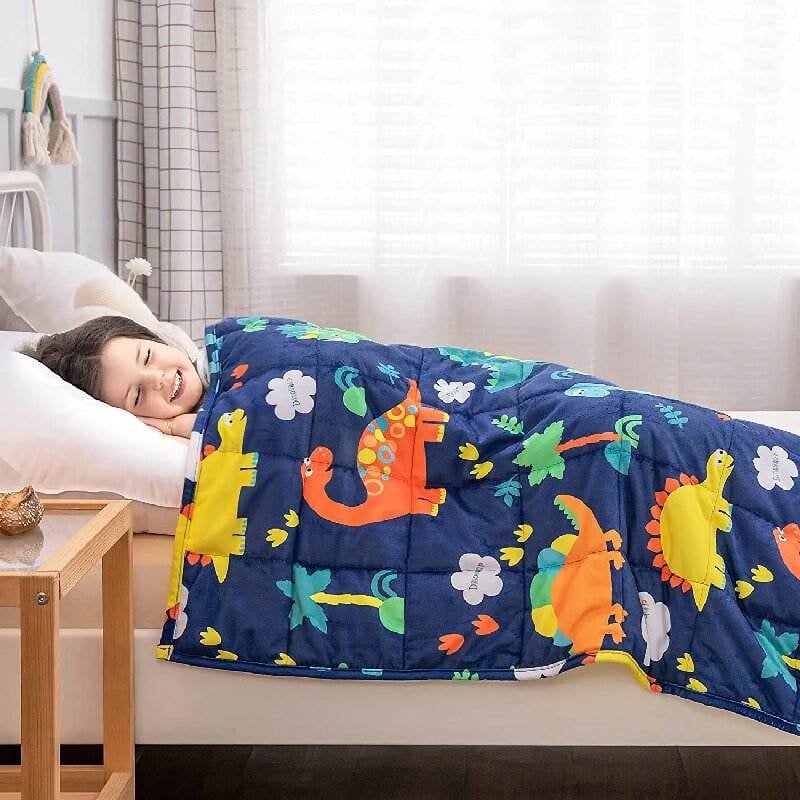
The process of selecting weighted blankets tailored to your circumstances begins with evaluating your body weight, sleep preferences, and any specific health conditions or sensory needs. Unlike standard blankets, weighted blankets work through applied pressure that triggers the parasympathetic nervous system, creating a calming effect similar to a therapeutic hug. This guide walks you through the essential selection criteria to ensure you invest in weighted blankets that genuinely support your wellness goals.
The fundamental rule for selecting weighted blankets is choosing a weight that equals approximately 10% of your body weight, plus one to two pounds for comfort and effectiveness. For example, if you weigh 150 pounds, your ideal weighted blanket weight would typically range between 15 and 17 pounds. This calculation ensures the blanket provides sufficient pressure to activate deep pressure stimulation without feeling restrictive or uncomfortable during the night.
However, individual preferences vary significantly when choosing weighted blankets. Some people prefer slightly lighter options for flexibility or movement during sleep, while others benefit from weights closer to 12% of body weight for enhanced therapeutic effects. If you fall between standard weight categories, consider starting with the lighter option and upgrading if you find it insufficient.
When selecting weighted blankets for children, the recommendation typically falls between 5% and 10% of body weight, depending on age and sensitivity levels. Younger children, particularly those under 50 pounds, should use lighter weighted blankets to prevent discomfort and ensure safe sleep. For adults managing conditions like anxiety, PTSD, or autism spectrum disorder, weighted blankets in the standard range often provide optimal therapeutic benefit.
Elderly individuals or those with mobility concerns should carefully evaluate whether weighted blankets suit their needs, as heavier options may pose challenges when repositioning or getting out of bed. Medical consultation is advisable before purchasing weighted blankets for individuals with respiratory conditions, circulation issues, or joint problems.
Selecting weighted blankets requires attention to fabric composition because materials directly affect breathability, temperature regulation, and skin comfort. Cotton and cotton-blend fabrics offer breathability and durability, making them ideal for warm climates or individuals who sleep hot. Minky dots and fleece materials provide softness and warmth, perfect for cooler environments and those seeking maximum coziness with their weighted blankets.
Bamboo and organic materials have become increasingly popular in weighted blanket selection for their hypoallergenic properties and moisture-wicking capabilities. These fabrics work exceptionally well for sensitive skin or anyone with allergies. When choosing weighted blankets, consider your local climate and personal temperature preferences to ensure year-round comfort and consistent use.
The internal composition of weighted blankets significantly impacts their longevity and performance. Most quality weighted blankets use glass beads, plastic pellets, or sand as weight-distributing materials within compartmentalized chambers. Glass beads tend to offer superior durability, minimal noise during movement, and excellent weight distribution compared to alternative fills when evaluating weighted blankets.
Compartmentalized designs in weighted blankets prevent clumping of fill materials, ensuring consistent pressure distribution throughout the blanket's lifespan. When selecting weighted blankets, verify that seams are reinforced and chambers are small enough to prevent migration of interior materials, which compromises both comfort and therapeutic effectiveness over time.
Selecting weighted blankets involves choosing appropriate dimensions that match your bed size while remaining practical for daily handling and washing. Standard options typically include twin, full, queen, and king sizes. A properly sized weighted blanket should cover your body adequately without extending too far beyond the bed edges, which creates tripping hazards and makes storage difficult.
For shared beds, consider whether both sleeping partners benefit from weighted blankets or if a smaller option serves one person better. Some couples prefer individual weighted blankets customized to each person's weight requirements rather than one universal option. Size selection directly impacts the blanket's ability to provide consistent pressure and affects its ease of maintenance when caring for weighted blankets.
When selecting weighted blankets, evaluate your lifestyle and whether you need portable options for travel, dorm rooms, or multi-room use. Lighter weighted blankets within the appropriate range may offer better versatility without sacrificing therapeutic benefit. Some weighted blankets include convenient carrying bags or compact designs specifically engineered for travel while maintaining their pressure-distributing effectiveness.
Caregivers or individuals managing multiple weighted blankets should consider weight and manageability as part of their selection criteria. Modern designs balance therapeutic effectiveness with practical usability, ensuring you select weighted blankets that fit seamlessly into your actual living situation rather than an idealized scenario.
Weighted blankets have shown therapeutic benefits for anxiety, insomnia, PTSD, autism spectrum disorder, and sensory processing difficulties. However, individuals with respiratory conditions, heart problems, circulation issues, or sleep apnea should consult healthcare providers before using weighted blankets. Medical professionals can advise whether weighted blankets align with your particular health situation and any contraindications.
Children can safely use weighted blankets when selected appropriately for their age and body weight. Experts recommend weighted blankets containing 5% to 10% of a child's body weight, and children must be old enough to remove the blanket independently if needed. Always supervise young children initially and consult pediatricians if your child has any underlying health conditions before introducing weighted blankets.
Most weighted blankets can be machine washed on a gentle cycle in cold water every 3 to 6 months, depending on use frequency and personal preference. Always check manufacturer instructions since some weighted blankets require professional cleaning or hand washing. Proper care extends the lifespan of weighted blankets significantly and maintains their therapeutic effectiveness and fabric integrity.

2026/11/02
Struggling to choose the right living room rugs? Avoid costly mistakes with expert insights on size, material, durability, style & care. Get your perfect rug.

2026/11/03
Worried about infant falls during crawling? Discover how cushioned baby play mats absorb impact, and support motor development. Get expert safety tips now.

2026/11/04
Struggling with messy spills and tummy time needs? Discover waterproof, sensory, and tummy-time-optimized play mat surface. Compare materials now.

2026/11/05
Can a kids play mat reduce noise? Discover how thickness, foam density & full coverage deliver real acoustic relief. Get the guide.

2026/11/06
Why do kids slip on tile, laminate & polished wood? Discover how premium non-slip play mats anchor securely AND absorb impact. Boost safety.

2026/11/09
Tired of scrubbing stains and battling odors? Discover the 5 key kids play mat features—waterproof surfaces, washable covers, non-slip grip. See what makes maintenance effortless.

