 EN

What Should Buyers Know Before Ordering Living Room Rugs?
2026/11/02
Struggling to choose the right living room rugs? Avoid costly mistakes with expert insights on size, material, durability, style & care. Get your perfect rug.
Selecting the right play mat involves more than picking the first colorful option you find. Parents and caregivers need to understand how size and thickness directly impact a child's safety, comfort, and developmental needs. A properly chosen play mat creates a protective cushioned surface where infants and toddlers can explore safely while building confidence in their movement and motor skills. The right selection ensures your investment supports your child's growth while fitting your living space and lifestyle demands.
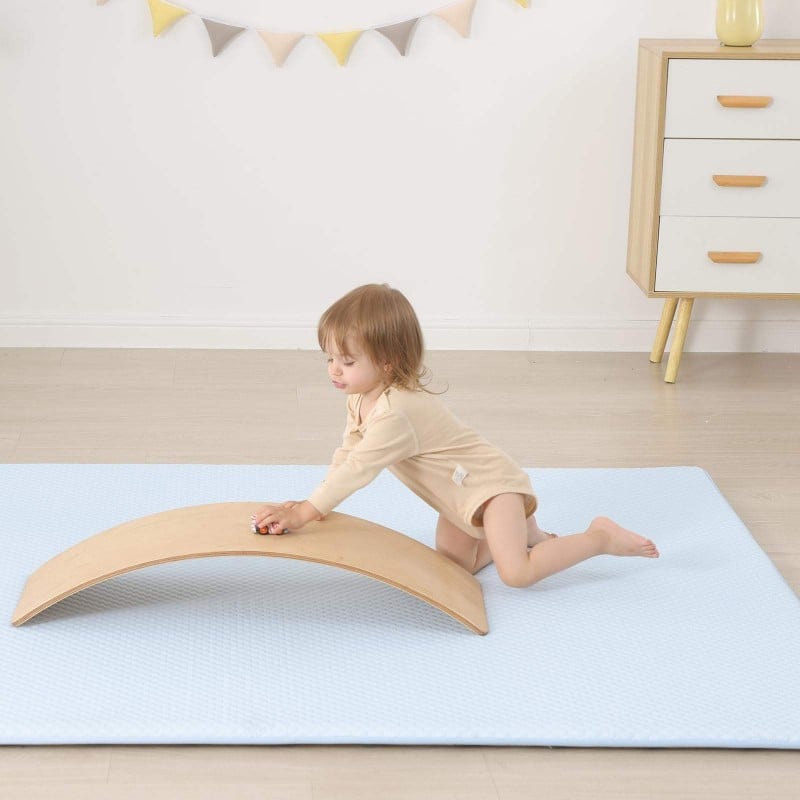
Understanding dimensions and material thickness transforms your decision from guesswork into informed planning. A water-resistant play mat protects against spills and accidents, extending the product's lifespan and simplifying maintenance. Whether you prioritize an easy clean play mat for quick daily wipe-downs or a durable sensory play surface for developmental engagement, the combination of size, thickness, and material properties creates the foundation for successful use in your home environment.
Before selecting any play mat, map out your actual floor space and consider how your play mat will fit into your room's existing layout. Standard dimensions typically range from small portables at 36 by 48 inches up to expansive floor covers exceeding 8 by 10 feet. Measure doorways, furniture placement, and high-traffic zones where your play mat will live most of the time. A play mat that dominates an entire room may look impressive but creates practical challenges for vacuuming, moving furniture, or creating separate activity zones.
Infants beginning tummy time require less space than crawling toddlers exploring independently. A water-resistant play mat sized at 4 by 6 feet works well for single-child tummy time activities and provides room for sensory play toys without overwhelming compact living spaces. Active toddlers benefit from larger configurations that allow crawling, rolling, and standing exploration. Consider whether your play mat will grow with your child or if you plan phased replacements as activity levels increase, since this affects both immediate sizing decisions and long-term budget planning.
Play mat thickness directly determines impact absorption, joint protection, and comfort during extended use. Most quality products range from half-inch lightweight mats to 1.5-inch premium cushioned versions. Thinner mats around half-inch work for occasional use over hardwood or carpet but offer minimal protection against serious bumps. A medium-thickness play mat at three-quarters to one inch balances portability with meaningful impact protection for daily developmental activities. Thicker options exceeding one inch provide superior cushioning for energetic toddlers prone to falls and rough play sessions.
Your underlying floor type influences optimal play mat thickness decisions. Hard tile, concrete, or hardwood floors require thicker cushioning to protect developing joints and bones. A sensory play surface over these materials should provide at least one inch of thickness to absorb fall impact effectively. Carpeted rooms allow thinner options since existing padding already provides baseline protection. A water-resistant play mat selection should also account for your home's climate and moisture conditions, as thicker materials provide better insulation and durability in humid environments where condensation or spills may occur.
Modern play mats increasingly feature water-resistant surfaces that repel liquids and prevent moisture penetration into foam layers. An easy clean play mat with water-resistant backing simplifies daily maintenance and extends product lifespan significantly. Non-porous top layers allow quick wipe-downs with mild soap and water, eliminating the frustration of stains setting into fabric or mold growth developing in damp materials. Breathable fabrics underneath prevent moisture trapping that could damage foam cores, ensuring your investment remains sanitary and functional through years of use. These features become especially critical in homes with multiple children or pets where spills, accidents, and hygiene represent constant practical concerns.
A quality sensory play surface combines appropriate thickness with varied textures that engage developing senses and encourage exploration. Textured patterns and color variations stimulate visual development while different fabric finishes provide tactile feedback during movement. The play mat thickness should support physical activity without compromising the sensory engagement that builds confidence and motor development. Soft yet durable materials maintain their texture quality through repeated use and washings, ensuring your sensory play surface remains developmentally effective throughout your child's early years. When combined with water-resistant properties, these sensory features create an environment where learning and hygiene coexist seamlessly.
For compact living spaces, a play mat measuring between 4 by 6 and 5 by 7 feet provides adequate room for infant tummy time and early toddler exploration without consuming excessive floor space. Foldable options allow you to store your play mat when not in use, making them ideal for studio apartments or homes where dedicated play areas don't exist. Prioritize a water-resistant play mat in these settings since spill cleanup must be quick and efficient in close quarters.
Active toddlers benefit most from a play mat thickness between one and 1.5 inches, which absorbs impact from frequent falls while remaining stable enough for standing and walking practice. This thickness range supports a sensory play surface that engages movement development without compromising balance or proprioceptive feedback. An easy clean play mat at this thickness also provides practical durability for the wear and tear that energetic toddlers inevitably create.
Most water-resistant play mat designs feature removable fabric covers that accommodate machine washing, while foam cores require spot cleaning or gentle hand washing. Always check your specific product's care instructions before attempting full-machine washing, as high heat or aggressive agitation can damage water-resistant coatings or foam integrity. Hand washing with mild soap and cool water preserves your play mat's protective properties while keeping the sensory play surface clean and hygienic for continued child use.

2026/11/02
Struggling to choose the right living room rugs? Avoid costly mistakes with expert insights on size, material, durability, style & care. Get your perfect rug.

2026/11/03
Worried about infant falls during crawling? Discover how cushioned baby play mats absorb impact, and support motor development. Get expert safety tips now.

2026/11/04
Struggling with messy spills and tummy time needs? Discover waterproof, sensory, and tummy-time-optimized play mat surface. Compare materials now.

2026/11/05
Can a kids play mat reduce noise? Discover how thickness, foam density & full coverage deliver real acoustic relief. Get the guide.

2026/11/06
Why do kids slip on tile, laminate & polished wood? Discover how premium non-slip play mats anchor securely AND absorb impact. Boost safety.

2026/11/09
Tired of scrubbing stains and battling odors? Discover the 5 key kids play mat features—waterproof surfaces, washable covers, non-slip grip. See what makes maintenance effortless.

