 EN

What Should Buyers Know Before Ordering Living Room Rugs?
2026/11/02
Struggling to choose the right living room rugs? Avoid costly mistakes with expert insights on size, material, durability, style & care. Get your perfect rug.
Selecting the right fabric for your weighted blanket is crucial for maximizing both comfort and longevity throughout the year. Each season presents different temperature and humidity challenges, and the fabric choice directly impacts how well your weighted blanket performs during sleep. Understanding which materials work best in spring, summer, fall, and winter ensures your sleep comfort routine remains consistent no matter the weather.
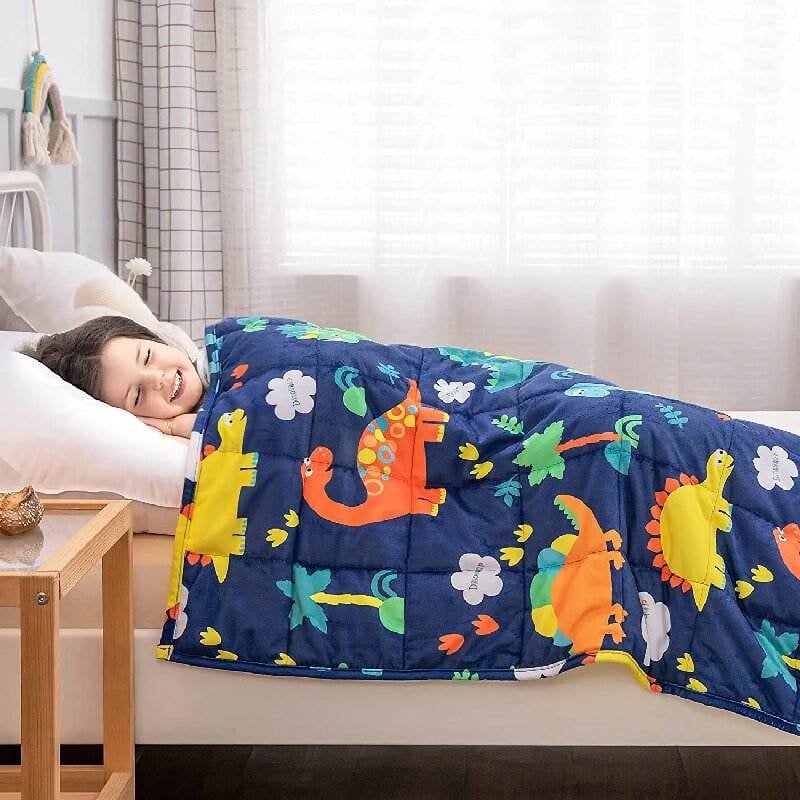
Beyond aesthetics, fabric selection influences whether your weighted blanket maintains proper temperature regulation, resists moisture buildup, and remains durable after repeated washing and use. The right breathable blanket fabric adapts to seasonal shifts, preventing overheating in warm months while retaining warmth when needed. This guide walks you through fabric options, weighted blanket care requirements, and sizing considerations to help you choose materials that enhance your sleep experience year-round.
Cotton remains one of the most versatile and accessible fabrics for weighted blankets, particularly in warmer seasons. A high-quality breathable blanket fabric made from 100% cotton or cotton-polyester blends allows air circulation and moisture evaporation, preventing the trapped heat that can disrupt sleep. Spring temperatures fluctuate, and cotton's natural breathability accommodates these shifts without causing excessive sweating.
Cotton weighted blankets typically feature a thread count between 300 and 600, balancing durability with breathability. Lower thread counts trap less body heat, while still providing the tactile comfort that enhances your sleep comfort routine. Cotton is also forgiving during weighted blanket care, as it can withstand regular washing without degrading quickly.
Bamboo-derived fabrics like lyocell offer superior moisture-wicking properties, making them ideal for summer use. These materials absorb and release moisture more efficiently than cotton, maintaining a dry sleep surface even during warm nights. Bamboo's naturally hypoallergenic properties reduce the risk of skin irritation, which becomes more common when sweat accumulates under traditional weighted blankets.
Lyocell weighted blankets feel silky and soft against the skin while remaining lightweight enough to avoid overheating. This fabric choice is particularly valuable if you live in humid climates or tend to sleep warm. However, bamboo fabrics require more careful weighted blanket care during washing to prevent shrinkage and maintain their smooth texture.
As temperatures drop, minky and fleece fabrics become excellent choices for weighted blankets. These plush materials provide insulation while maintaining the pressure therapy benefits that support your sleep comfort routine. Minky, a microfiber polyester blend, offers exceptional softness and traps warm air close to your body without creating excessive bulk.
Fleece-based weighted blankets deliver similar warmth benefits with a familiar, cozy texture. Unlike cotton or breathable blanket fabric options, fleece maintains its temperature-regulating properties without allowing heat to escape, making it ideal for fall and winter sleep sessions. The weighted blanket care for fleece is relatively straightforward, though these materials can pill over time if not washed gently.
When choosing seasonal fabrics, weighted blanket sizing must account for how different materials feel and perform. A heavier fabric in a larger weighted blanket size might trap too much heat in summer, while lightweight fabrics may provide insufficient warmth in winter. Standard sizing ranges from 36 by 48 inches for individual use to 60 by 80 inches for couples, and fabric choice should align with these dimensions.
Durability varies significantly between fabric types, influencing long-term weighted blanket care decisions. Minky requires cold water washing and gentle drying, while cotton tolerates warmer temperatures. Weighted blanket sizing also affects fabric wear, as larger blankets experience more stress on seams and edges during use and washing. Investing in quality fabric construction ensures your weighted blanket remains functional and comfortable across multiple seasons.
Spring and fall present unique challenges when temperatures shift unpredictably throughout the day. Layering a breathable blanket fabric weighted option over a lighter duvet allows flexibility without replacing your entire sleep setup. This approach extends the usability of single-season weighted blankets and reduces the need for multiple blankets across the year.
Your sleep comfort routine benefits from understanding when to switch between weighted blanket options. Many sleep experts recommend rotating seasonal blankets every three months to balance comfort with the natural fabric deterioration that occurs with continuous use. This practice also aligns with proper weighted blanket care schedules, as each seasonal switch presents an opportunity for deep cleaning.
Proper storage extends the life of your weighted blanket significantly. When transitioning between seasons, store off-season weighted blankets in breathable bags rather than plastic containers, which can trap moisture and promote mold growth. Ensure the storage area remains dry and cool to prevent fabric degradation and weight distribution problems.
Regular weighted blanket care includes vacuuming the surface monthly to remove dust and skin cells that accumulate regardless of season. Spot-clean stains immediately to prevent permanent marks, and follow manufacturer instructions for washing frequency. Most weighted blankets benefit from washing every two to four weeks, depending on use intensity and fabric type. By establishing consistent care practices, your weighted blanket maintains its performance and appearance across all seasons.
Yes, a weighted blanket with breathable blanket fabric can function year-round if you choose natural fibers like cotton or bamboo. However, comfort may vary seasonally, and you might need to adjust layering or room temperature. Many people find that having two weighted blankets—one for warm months and one for winter—provides optimal comfort and extends the lifespan of each through reduced usage frequency.
Weighted blanket sizing recommendations typically suggest selecting a blanket that weighs 5 to 10 percent of your body weight. For most adults, this means 15 to 25 pound weighted blankets, though individual preferences vary. Ensure the weighted blanket sizing covers your body adequately without extending beyond the bed edges, as overhang can cause uneven weight distribution and discomfort. Your sleep comfort routine should feel naturally supported without restriction.
Cotton weighted blankets tolerate warm water and standard detergent, while minky and fleece require cold water and gentle cycles to prevent damage. Bamboo fabrics fall between these extremes, benefiting from cool water and mild detergent. Always check manufacturer guidelines, as weighted blanket care instructions vary by construction method and filler type. Proper care prevents fabric pilling, color fading, and weight clumping that compromise your sleep comfort routine over time.

2026/11/02
Struggling to choose the right living room rugs? Avoid costly mistakes with expert insights on size, material, durability, style & care. Get your perfect rug.

2026/11/03
Worried about infant falls during crawling? Discover how cushioned baby play mats absorb impact, and support motor development. Get expert safety tips now.

2026/11/04
Struggling with messy spills and tummy time needs? Discover waterproof, sensory, and tummy-time-optimized play mat surface. Compare materials now.

2026/11/05
Can a kids play mat reduce noise? Discover how thickness, foam density & full coverage deliver real acoustic relief. Get the guide.

2026/11/06
Why do kids slip on tile, laminate & polished wood? Discover how premium non-slip play mats anchor securely AND absorb impact. Boost safety.

2026/11/09
Tired of scrubbing stains and battling odors? Discover the 5 key kids play mat features—waterproof surfaces, washable covers, non-slip grip. See what makes maintenance effortless.

