 EN

What Should Buyers Know Before Ordering Living Room Rugs?
2026/11/02
Struggling to choose the right living room rugs? Avoid costly mistakes with expert insights on size, material, durability, style & care. Get your perfect rug.
Selecting the right weighted blankets involves understanding how material composition directly affects temperature regulation and overall sleep quality. Whether you sleep warm or cool, the fabric and filling structure of your weighted blanket will determine how effectively it supports your comfort throughout the night. Different weighted blanket materials offer distinct thermal properties, breathability levels, and maintenance requirements that align with individual sleep preferences and environmental conditions.
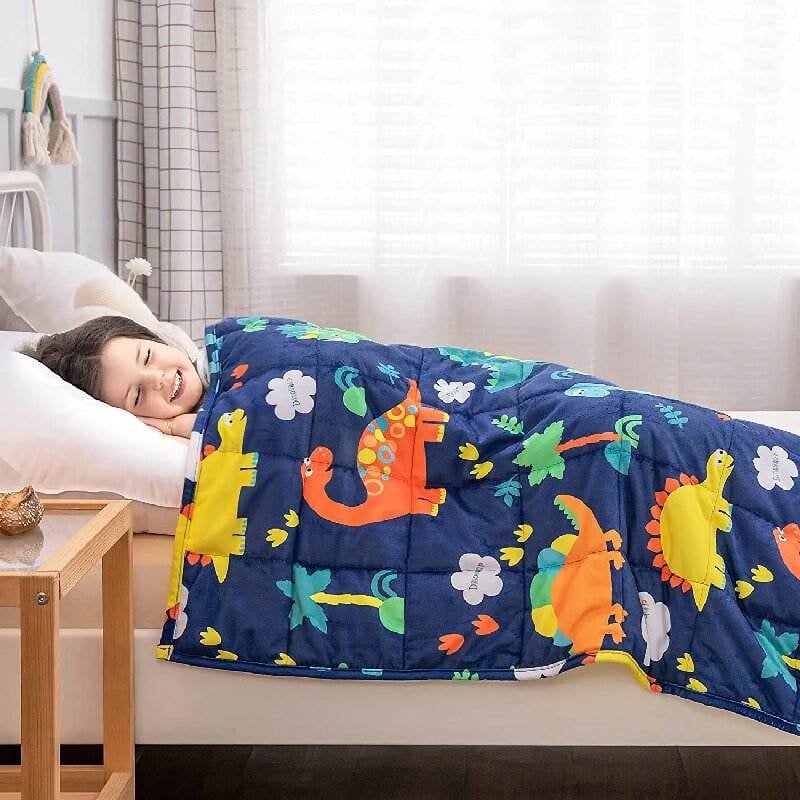
The market offers numerous weighted blanket materials, each engineered to manage heat and moisture differently. Some fabrics prioritize temperature regulation for warm sleepers, while others provide insulation benefits for those who run cold. Understanding the specific characteristics of cotton, bamboo, polyester blends, and specialized cooling fibers helps you make an informed choice that matches your sleep environment and personal thermoregulation needs. This guide explores the key material options, their performance traits, and practical considerations for finding your ideal weighted blanket solution.
The outer cover fabric of weighted blanket materials plays a crucial role in determining whether heat is retained or dispersed. Natural fibers like cotton and bamboo naturally wick moisture away from the body, making them excellent choices for warm sleepers. These materials allow air circulation, which prevents the blanket from trapping heat against your skin. Synthetic materials and polyester blends tend to retain warmth more effectively, benefiting sleepers who feel cold during the night. The density and weave pattern of the fabric also influence how well the blanket breathes, affecting both comfort and temperature regulation throughout your sleep cycle.
Beyond the outer cover, the fill material inside weighted blankets significantly impacts heat retention. Glass beads, commonly used in weighted blanket materials, offer neutral thermal properties and excellent durability. Steel pellets provide slightly more heat retention, while plastic pellets tend to distribute weight evenly without major temperature impact. For cool sleepers seeking maximum warmth, thicker batting layers and denser fill concentrations create a more insulating effect. Conversely, warm sleepers benefit from blankets with looser fill distributions and breathable barrier layers that prevent excessive heat accumulation. The interaction between cover fabric and internal fill structure determines the overall thermal performance of your weighted blanket choice.
Warm sleepers thrive with breathable weighted blanket materials that promote air circulation and moisture evaporation. Bamboo fabric, known for its exceptional moisture-wicking properties, outperforms many alternatives in managing night sweats and preventing heat buildup. Cotton blends offer similar benefits with slightly lower cost, though pure cotton provides the most breathable option. Linen represents an advanced choice for those seeking maximum cooling effect, as it naturally dissipates body heat more efficiently than other fabrics. When selecting weighted blankets for warm sleep, prioritize low-density fills, open weave patterns, and moisture-wicking covers that prevent the blanket from creating a heat trap around your body.
Cool sleepers benefit from weighted blanket materials designed to trap and retain warmth throughout the night. Microfiber polyester and fleece covers provide excellent insulation while maintaining softness against the skin. Thicker cotton flannel offers a warm touch without the moisture-locking properties of synthetic materials. Dense fill concentrations and multiple batting layers in weighted blanket construction create the insulation effect cool sleepers require. Some premium options include specialized cooling gel-infused beads alongside insulating layers, providing temperature modulation for mixed-sleeper couples. Choose weighted blankets with tightly woven covers and maximum fill density to ensure your blanket maintains consistent warmth throughout your sleep period.
Understanding weighted blanket washing requirements is essential for maintaining material integrity and performance longevity. Cotton and bamboo covers typically withstand machine washing on gentle cycles with cold water, though specific weighted blanket materials may require hand washing depending on fill type and construction. Microfiber and polyester covers generally tolerate regular washing more readily than delicate natural fabrics. Most weighted blankets with glass beads can endure standard laundering, while those with plastic or steel fills may need special care to prevent damage to seams or internal compartments. Always check manufacturer guidelines for weighted blanket washing, as improper cleaning can compromise the structural integrity of the blanket and reduce its lifespan.
Regular maintenance extends the lifespan of your weighted blanket investment regardless of material type. Air drying weighted blanket materials prevents shrinkage and maintains fabric elasticity better than machine drying. Spot cleaning minor stains can reduce the frequency of full-scale weighted blanket washing, minimizing wear on seams and stitching. Store weighted blankets in cool, dry environments away from direct sunlight to prevent color fading and material degradation. Rotating between multiple weighted blankets, if available, distributes wear more evenly and maintains performance consistency. Periodically inspect weighted blanket materials for signs of pilling, seam separation, or fill shifting, addressing minor issues promptly to prevent progression.
Weighted blanket sizing must account for how material composition affects overall comfort at different weights. Heavier blankets with dense materials require stronger covers and more durable stitching to maintain integrity under sustained weight distribution. For warm sleepers, lighter weighted blankets paired with breathable materials may provide optimal comfort without overheating concerns. A breathable weighted blanket weighing 15 to 20 pounds often delivers better thermal regulation than heavier alternatives for warm sleepers. Cool sleepers might prefer 25 to 35 pounds with denser, more insulating materials to maximize the therapeutic pressure effect while maintaining warmth. Your body weight, preferred pressure intensity, and sleep temperature profile should guide your weighted blanket sizing decision in conjunction with material selection.
Before committing to a weighted blanket purchase, consider conducting a trial period to assess material compatibility with your specific sleep conditions. Room temperature, bedding layers, and seasonal variations all influence how well specific weighted blanket materials perform for your needs. A weighted blanket that feels perfect during winter months may prove too warm during summer without a breathable alternative available. Testing different weighted blanket materials during transition seasons helps identify which fabric types and fills align best with your consistent comfort preferences. Many retailers offer trial periods specifically to address this compatibility concern, recognizing that material performance varies significantly based on individual sleep environments and personal thermoregulation patterns.
Bamboo and cotton covers offer superior breathability for hot sleepers, as these natural fibers wick moisture effectively and allow air circulation. Pair these covers with lightweight glass bead fills and open weave construction to maximize cooling performance. A breathable weighted blanket with these characteristics prevents heat accumulation while delivering the therapeutic pressure benefits you seek.
Most weighted blanket washing schedules recommend laundering every 2 to 4 weeks, though cotton and bamboo materials can tolerate more frequent washing than delicate synthetics. Check your specific weighted blanket materials care instructions, as fill type and seam construction significantly impact safe cleaning frequency. Spot cleaning between full washes reduces the need for frequent weighted blanket washing and extends material lifespan.
Yes, selecting a weighted blanket with breathable materials specifically designed for warm sleepers makes this achievable. Look for linen or lightweight cotton covers paired with minimal fill weight and open weave patterns. These weighted blanket materials maintain the therapeutic pressure you need while preventing the heat-trapping effect that makes traditional weighted blankets uncomfortable in warm environments.

2026/11/02
Struggling to choose the right living room rugs? Avoid costly mistakes with expert insights on size, material, durability, style & care. Get your perfect rug.

2026/11/03
Worried about infant falls during crawling? Discover how cushioned baby play mats absorb impact, and support motor development. Get expert safety tips now.

2026/11/04
Struggling with messy spills and tummy time needs? Discover waterproof, sensory, and tummy-time-optimized play mat surface. Compare materials now.

2026/11/05
Can a kids play mat reduce noise? Discover how thickness, foam density & full coverage deliver real acoustic relief. Get the guide.

2026/11/06
Why do kids slip on tile, laminate & polished wood? Discover how premium non-slip play mats anchor securely AND absorb impact. Boost safety.

2026/11/09
Tired of scrubbing stains and battling odors? Discover the 5 key kids play mat features—waterproof surfaces, washable covers, non-slip grip. See what makes maintenance effortless.

