 EN

What Should Buyers Know Before Ordering Living Room Rugs?
2026/11/02
Struggling to choose the right living room rugs? Avoid costly mistakes with expert insights on size, material, durability, style & care. Get your perfect rug.
The landscape of children's play environments continues to evolve as parents and designers increasingly recognize the importance of combining safety, functionality, and visual appeal. Modern kids play mat designs reflect these priorities, incorporating advanced materials, thoughtful ergonomics, and contemporary aesthetic choices that transform nurseries and playrooms into engaging spaces. Understanding current trends helps parents make informed decisions about selecting products that align with both their child's developmental needs and their home's design philosophy.
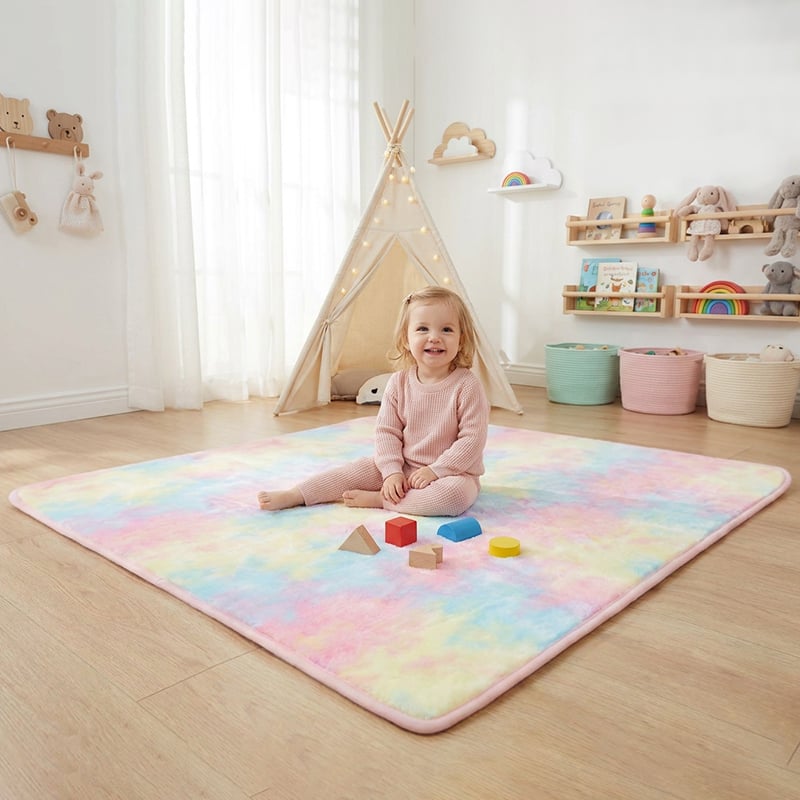
Today's kids play mat designs go far beyond simple colored padding. Contemporary offerings blend therapeutic benefits with sustainable manufacturing practices, educational elements integrated into surface patterns, and customizable options that accommodate different age groups and developmental stages. These innovations reflect broader industry shifts toward mindful parenting, environmental consciousness, and holistic child development approaches that prioritize both physical safety and cognitive stimulation.
Modern kids play mat products increasingly feature premium memory foam cores that adapt to a child's body contours while maintaining structural integrity. This advancement provides superior joint protection during crawling, falling, and active play compared to traditional foam. Memory foam in contemporary kids play mat designs also resists compression over extended use, maintaining performance through years of active childhood. The density specifications used in today's premium options ensure appropriate support without excessive softness that could pose developmental concerns.
Parents today prioritize health safety, driving significant demand for kids play mat options manufactured with certified non-toxic materials. Leading designers now avoid phthalates, heavy metals, and off-gassing compounds that earlier generations overlooked. Third-party testing certifications have become standard in quality kids play mat production, providing transparency and verifiable safety documentation. This trend reflects growing consumer awareness about early childhood exposure to chemical compounds and their potential long-term health implications.
Today's kids play mat designs break away from garish, cartoon-heavy aesthetics toward sophisticated color palettes and geometric patterns that complement modern home interiors. Trending options include pastel gradients, minimalist line work, Scandinavian-inspired designs, and nature-based motifs that appeal to both children and parents. Many contemporary kids play mat products feature reversible designs with contrasting patterns on each side, providing visual variety while maintaining interior design harmony. This shift reflects broader millennial and Gen-Z parenting preferences for stylish home environments that don't sacrifice function for form.
Personalized kids play mat designs have emerged as a significant market segment, with manufacturers offering monogramming, bespoke color combinations, and custom pattern creation services. This trend acknowledges parents' desire for unique, personalized spaces that reflect individual family identities. Custom kids play mat options allow selection of specific color schemes, inclusion of educational elements like alphabet sequences or number patterns, and incorporation of family photos or meaningful symbols. The rise of digital design tools has made customization increasingly accessible and affordable for mainstream consumers.
Progressive kids play mat designs now incorporate educational components directly into surface patterns and textures. Alphabet designs, number sequences, world map layouts, and animal identification patterns transform the kids play mat into an interactive learning environment. Textured elements and color-coded zones encourage sensory exploration and gross motor skill development. This integration addresses parental concerns about maximizing developmental benefits during unstructured playtime while maintaining the product's primary function as a safe, comfortable play surface.
Contemporary kids play mat products increasingly feature varied surface textures and firmness zones designed to support different developmental milestones. Traction-enhancing surfaces promote safe crawling and early walking practice, while designated softer zones provide comfort during tummy time. Some modern kids play mat options include raised patterns, embossed elements, and temperature-responsive materials that stimulate tactile awareness. These thoughtful design features demonstrate the shift toward evidence-based product development informed by pediatric research on early childhood motor and sensory development.
Environmental awareness among parents has driven significant innovation in how kids play mat products are manufactured and sourced. Leading brands now prioritize renewable material sources, water-efficient production processes, and recyclable or biodegradable components. Sustainable kids play mat options utilize organic cotton surfaces, recycled foam cores, and low-impact dyes that reduce environmental footprint. This trend reflects broader consumer expectations that children's products should align with environmental values and support responsible corporate practices.
Extended product lifecycle has become a central sustainability focus in kids play mat design, with manufacturers creating durable options that withstand multiple children or resale through secondary markets. Quality construction extends the usable lifespan of kids play mat products significantly, reducing replacement frequency and overall environmental impact. Many contemporary options feature modular designs allowing component replacement rather than complete product disposal. This approach combines environmental responsibility with economic value for families, addressing both sustainability concerns and household budgeting considerations.
Parents should look for certification marks such as CertiPUR-US for foam quality, OEKO-TEX certification for fabric safety, and compliance with relevant consumer product safety standards. These certifications confirm that kids play mat products have undergone third-party testing for harmful chemicals, heavy metals, and manufacturing standards. Reputable manufacturers prominently display these certifications on product pages and packaging, making verification straightforward during the selection process.
Textured kids play mat designs offer enhanced sensory stimulation and improved traction for crawling, while smooth surfaces provide easier cleaning and consistent comfort for tummy time and infant activities. The optimal choice depends on the child's age and developmental stage; textured options suit older crawlers, while newborns and very young infants typically benefit more from smooth surfaces. Many families use both types sequentially as their child develops, or select reversible kids play mat products that accommodate different preferences and stages.
Custom kids play mat designs justify the investment for families prioritizing personalization, long-term durability through premium materials, and integration of educational elements aligned with specific developmental goals. Standard kids play mat options remain excellent choices for budget-conscious families or those seeking versatile, neutral designs adaptable across multiple children. Custom options offer greater longevity and emotional significance, particularly for families planning multiple children or seeking keepsake-quality pieces that grow with their household.

2026/11/02
Struggling to choose the right living room rugs? Avoid costly mistakes with expert insights on size, material, durability, style & care. Get your perfect rug.

2026/11/03
Worried about infant falls during crawling? Discover how cushioned baby play mats absorb impact, and support motor development. Get expert safety tips now.

2026/11/04
Struggling with messy spills and tummy time needs? Discover waterproof, sensory, and tummy-time-optimized play mat surface. Compare materials now.

2026/11/05
Can a kids play mat reduce noise? Discover how thickness, foam density & full coverage deliver real acoustic relief. Get the guide.

2026/11/06
Why do kids slip on tile, laminate & polished wood? Discover how premium non-slip play mats anchor securely AND absorb impact. Boost safety.

2026/11/09
Tired of scrubbing stains and battling odors? Discover the 5 key kids play mat features—waterproof surfaces, washable covers, non-slip grip. See what makes maintenance effortless.

