 EN

What Should Buyers Know Before Ordering Living Room Rugs?
2026/11/02
Struggling to choose the right living room rugs? Avoid costly mistakes with expert insights on size, material, durability, style & care. Get your perfect rug.
Choosing the right baby play mat requires understanding which features truly matter for your child's safety, comfort, and developmental needs. A quality baby play mat serves as more than just a soft surface—it creates a secure environment where infants and toddlers can explore, play, and grow with confidence. Parents often face overwhelming choices when evaluating different mats, each claiming to offer the best protection and comfort. Understanding the key characteristics that define a superior baby play mat helps you make an informed decision that supports your child's early development while providing peace of mind.
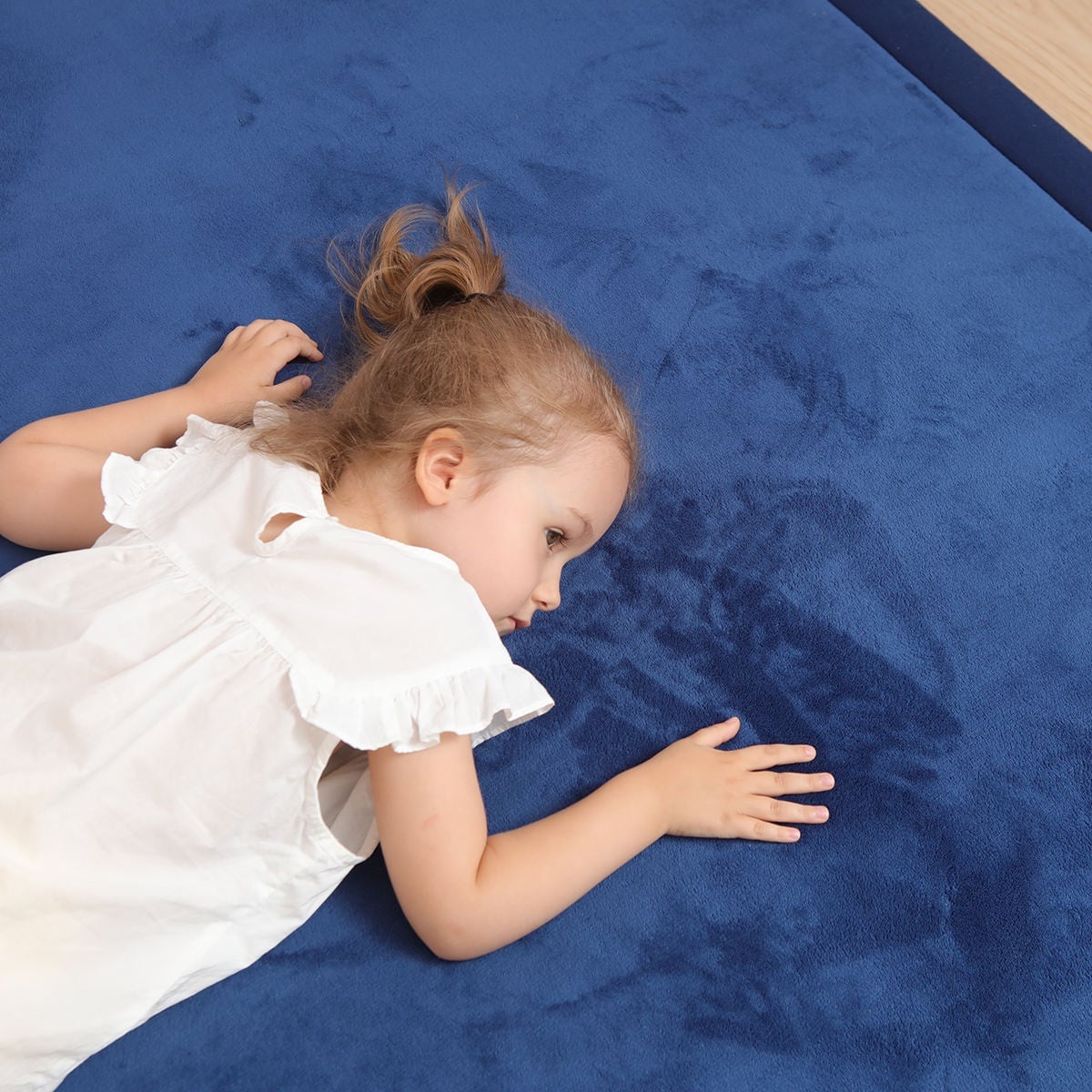
The foundation of any quality baby play mat lies in its construction, materials, and ability to provide a safe, hygienic space for play. A premium baby play mat combines thoughtful engineering with child-safe materials to create an environment that supports both physical development and parent confidence. Whether you're setting up your first nursery or upgrading to a more durable option, knowing what to look for ensures you invest in a product that truly serves your family's needs over time.
The core material of a baby play mat directly impacts safety and comfort. Premium baby play mats use high-density, non-toxic foam that meets strict safety certifications and avoids harmful chemicals like phthalates, BPA, and heavy metals. Quality foam provides proper cushioning while maintaining structural integrity, preventing sagging and uneven surfaces that could pose fall risks. Certified foam materials ensure your baby experiences consistent support whether the mat has been in use for weeks or months, making durability a key safety feature.
A quality baby play mat features soft, skin-friendly surface materials that minimize irritation and allergic reactions. Coral velvet, organic cotton, and similar gentle fabrics provide comfort during extended play sessions while remaining easy to clean. The surface should be securely bonded to the foam base, preventing peeling, fraying, or detachment that could create choking hazards. High-quality stitching and reinforced edges ensure the baby play mat withstands frequent use and washing without deteriorating, maintaining its safety properties throughout its lifespan.
Optimal thickness is critical for a protective baby play mat that balances cushioning with stability. A mat between 0.5 to 1 inch thick provides sufficient padding to absorb impact during falls while maintaining enough firmness to support proper motor development. Thinner mats offer less protection and may create discomfort during extended tummy time, while excessively thick mats can make crawling more difficult and create instability for toddlers learning to walk. A well-designed baby play mat provides graduated cushioning that adapts to your child's developmental stage, from newborn tummy time through active toddler play.
High-density foam resists compression and maintains its supportive properties after months of regular use. A quality baby play mat will not develop permanent indentations or flat spots where your child frequently plays, ensuring consistent protection over time. The foam structure should support proper spinal alignment during tummy time exercises, which are crucial for developing neck and shoulder strength. Dense materials also resist odor absorption and moisture penetration, making the baby play mat more hygienic and longer-lasting than lower-quality alternatives.
A quality baby play mat includes a waterproof backing layer that protects floors from spills, diaper accidents, and moisture damage. This feature enables quick cleanup and prevents liquid from seeping into the foam foundation, which could cause mold, mildew, and unpleasant odors. The best baby play mats feature removable, machine-washable covers that allow thorough cleaning without compromising the mat's structural integrity. Easy maintenance extends the product's usable life and ensures a consistently hygienic play surface for your child.
A functional baby play mat balances sufficient size for play with reasonable portability for household use. Quality mats typically range from 3 by 5 feet to 5 by 7 feet, providing adequate space for multiple play activities while fitting through doorways and storing in closets. Lightweight construction allows parents to move the baby play mat between rooms or fold it for travel without excessive effort. Thoughtful design features, such as reinforced handles or carrying cases, enhance convenience for families who move the mat frequently or travel with their children.
Premium baby play mats carry certifications from recognized safety organizations such as CPSIA, ASTM, or ISO standards that verify adherence to strict safety requirements. These certifications confirm the baby play mat has undergone rigorous testing for chemical safety, flammability, and structural integrity. Manufacturers who invest in third-party testing demonstrate commitment to child safety beyond basic compliance, providing parents with verified confidence in their product choice. Reviewing certification labels and safety documentation helps you distinguish between products with genuine safety backing and those making unsubstantiated claims.
A quality baby play mat features sealed, reinforced edges that prevent fraying, unraveling, or separation from the foam base. Properly constructed edges eliminate pinch points and loose threads that could pose choking or entanglement risks. The mat should have no exposed foam edges or glued seams that could deteriorate or become hazardous with regular use and cleaning. Superior construction extends the baby play mat's safe usable period while preventing the need for premature replacement due to edge degradation.
A baby play mat should typically be between 0.5 to 1 inch thick to provide adequate cushioning while maintaining proper firmness for development support. This thickness range offers sufficient impact protection during falls while preventing the instability that very thick mats can create for crawling and walking practice. Thinner mats under 0.5 inches provide minimal protection, while mats thicker than 1 inch may hinder motor skill development. Your specific choice depends on your child's age, activity level, and your home's flooring type.
A baby play mat should be cleaned weekly for high-traffic families and spot-cleaned immediately after spills or accidents to maintain hygiene and prevent bacterial growth. Regular maintenance extends the mat's lifespan while keeping your child's play surface safe and healthy. For families with multiple young children or frequent use, twice-weekly cleaning may be necessary to maintain optimal hygiene standards. Check the manufacturer's care instructions for your specific baby play mat to ensure cleaning methods don't compromise materials or safety features.
Yes, a quality baby play mat provides the safe, comfortable foundation necessary for proper motor skill development during tummy time and early crawling stages. Proper cushioning and firmness support correct body alignment, allowing babies to build neck, shoulder, and core strength essential for later milestones. The secure, clean surface of a well-designed baby play mat encourages exploration and movement, which are crucial for developing coordination and strength. However, the mat itself is one component of development; active supervision, age-appropriate toys, and varied play experiences are equally important for comprehensive development support.

2026/11/02
Struggling to choose the right living room rugs? Avoid costly mistakes with expert insights on size, material, durability, style & care. Get your perfect rug.

2026/11/03
Worried about infant falls during crawling? Discover how cushioned baby play mats absorb impact, and support motor development. Get expert safety tips now.

2026/11/04
Struggling with messy spills and tummy time needs? Discover waterproof, sensory, and tummy-time-optimized play mat surface. Compare materials now.

2026/11/05
Can a kids play mat reduce noise? Discover how thickness, foam density & full coverage deliver real acoustic relief. Get the guide.

2026/11/06
Why do kids slip on tile, laminate & polished wood? Discover how premium non-slip play mats anchor securely AND absorb impact. Boost safety.

2026/11/09
Tired of scrubbing stains and battling odors? Discover the 5 key kids play mat features—waterproof surfaces, washable covers, non-slip grip. See what makes maintenance effortless.

