 EN

What Should Buyers Know Before Ordering Living Room Rugs?
2026/11/02
Struggling to choose the right living room rugs? Avoid costly mistakes with expert insights on size, material, durability, style & care. Get your perfect rug.
Selecting the right play mat for children requires understanding which features directly impact safety, comfort, and developmental benefits. Parents and caregivers often focus only on appearance or price, overlooking critical attributes that determine whether a play mat will truly serve its intended purpose. A quality play mat supports children's growth while protecting them from injury during active play and exploration.
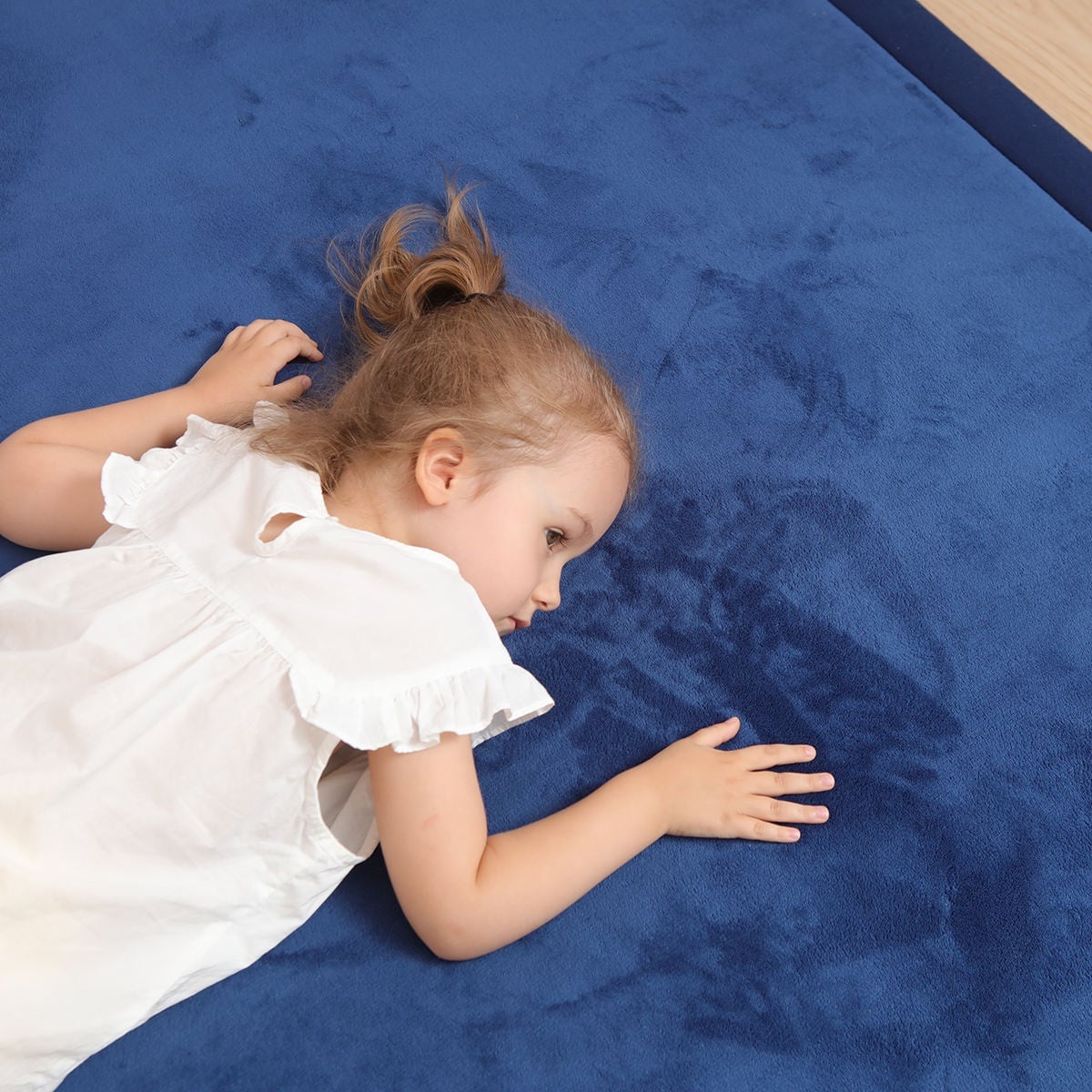
The most suitable play mat combines multiple functional features that work together to create an optimal play environment. These features span material composition, thickness, surface properties, ease of maintenance, and longevity. Understanding each feature helps caregivers make informed decisions that protect children while promoting active engagement and healthy development during their most formative years.
The foundational feature of any appropriate play mat is the material itself. A play mat made from non-toxic, hypoallergenic materials ensures that children remain safe during prolonged contact and mouthing behavior. Young children frequently place objects and their hands on surfaces, making chemical safety absolutely critical. Quality play mats utilize certified foam, natural rubber, or other materials that have been tested for harmful substances like phthalates, BPA, and heavy metals.
Hypoallergenic construction matters equally for children with sensitive skin or respiratory sensitivities. A play mat designed with these considerations prevents allergic reactions, rashes, and respiratory irritation that could otherwise interrupt play sessions or cause discomfort. Certifications from recognized safety organizations confirm that a play mat meets international standards for child product safety and material purity.
The surface texture of a play mat directly affects comfort and skin health. A soft, skin-friendly play mat provides gentle contact during crawling, rolling, and floor-based activities. Materials like coral velvet or premium foam create a smooth surface that doesn't scratch or irritate delicate skin. This tactile quality encourages children to spend extended time on the mat while reducing the risk of friction-related injuries or discomfort that might discourage play and development.
Thickness represents one of the most important protective features of a play mat. A properly cushioned play mat absorbs impact energy when children fall, crawl, or engage in active movement. Thickness typically ranges from one-half inch to one inch, depending on the intended use and age group. Thicker play mats provide superior shock absorption, reducing the force transmitted to joints and bones during impact events. This protective quality directly prevents injuries to the head, spine, and limbs during the normal play activities of infants and toddlers.
The relationship between thickness and protection follows a direct principle: greater thickness improves cushioning performance across most play scenarios. A play mat with insufficient thickness fails to protect effectively, while excessive thickness may reduce stability and cause children to lose balance. The optimal play mat balances protective cushioning with stability, enabling confident movement while maintaining injury prevention benefits.
Beyond cushioning, a play mat must maintain structural integrity under varying pressure. Quality construction ensures the mat doesn't compress unevenly or develop permanent indentations from repeated use. A stable play mat provides consistent support across its entire surface, preventing children from sinking excessively into localized soft spots. This uniform support helps children develop balance and coordination without unexpected surface changes that could cause falls or disorientation.
Practical features define whether a play mat remains functional throughout years of active use. A waterproof play mat withstands spills, accidents, and moisture without absorbing liquid or developing mold and mildew. This resistance extends the mat's lifespan significantly while maintaining hygienic conditions essential for children's health. Stain-resistant surfaces allow quick cleaning with basic household products, supporting regular maintenance without degrading material quality. These features ensure that a play mat retains its protective and comfort benefits across multiple children and extended use periods.
A practical play mat incorporates surfaces designed for effortless cleaning. Smooth, non-porous finishes prevent dirt, bacteria, and allergens from embedding into material fibers. Many quality play mats feature antimicrobial treatments that inhibit bacterial and fungal growth without adding chemical residues harmful to children. This combination creates a hygienic play environment that supports child health while reducing the effort required from caregivers. Regular cleaning maintains the mat's protective properties and extends its useful life significantly.
Long-term durability depends on material resilience and construction quality. A well-made play mat resists tears, peeling, and delamination that can expose internal materials or create choking hazards. Reinforced edges and quality seaming prevent unraveling, ensuring the mat remains intact and safe throughout years of use across multiple children or developmental stages. These durability features ultimately provide better value by extending the product's functional lifespan.
The size of a play mat must accommodate the intended activity space while remaining manageable for setup and storage. Larger play mats provide room for multiple children or various activities without restricting movement. A play mat that rolls or folds compactly supports portability for families who move between rooms, travel, or manage limited storage space. These design choices balance protective coverage with practical convenience that encourages regular use and maintenance.
Colors and visual elements should support child engagement without overstimulation. A thoughtfully designed play mat incorporates age-appropriate visual elements that encourage exploration and learning. Neutral colors or simple patterns can work well, while some play mats include educational elements like shapes, numbers, or textures. The visual design should complement the child's developmental stage, providing appropriate sensory input that enhances cognitive engagement during play and movement activities.
A play mat with thickness between one-half inch and one inch provides effective impact protection for most children. Specific thickness depends on intended use and the child's age and weight. Infants and toddlers benefit from thicker mats ranging toward one inch, while older children may find one-half inch adequate. Always verify that your chosen play mat meets safety standards and provides adequate cushioning for the intended activities and user age group.
Most play mats can be cleaned with a damp cloth or mild soap solution, then air-dried completely. Wipe spills promptly to prevent moisture absorption and bacterial growth. Avoid harsh chemicals that might compromise material integrity or leave residues harmful to children. Store the play mat in a clean, dry location away from direct sunlight to prevent degradation. Regular maintenance extends the mat's lifespan while keeping it hygienic and safe for continued use.
A quality play mat functions effectively on various floor types including hardwood, tile, and carpet. On smooth floors, consider using a non-slip base or mat underneath to prevent shifting during active play. On carpeted surfaces, the play mat may be used directly without additional supports. Always ensure the play mat sits flat and stable regardless of flooring type, as wrinkles or movement could create tripping hazards. Position the mat away from stairs, heavy furniture, and other environmental hazards regardless of floor surface.

2026/11/02
Struggling to choose the right living room rugs? Avoid costly mistakes with expert insights on size, material, durability, style & care. Get your perfect rug.

2026/11/03
Worried about infant falls during crawling? Discover how cushioned baby play mats absorb impact, and support motor development. Get expert safety tips now.

2026/11/04
Struggling with messy spills and tummy time needs? Discover waterproof, sensory, and tummy-time-optimized play mat surface. Compare materials now.

2026/11/05
Can a kids play mat reduce noise? Discover how thickness, foam density & full coverage deliver real acoustic relief. Get the guide.

2026/11/06
Why do kids slip on tile, laminate & polished wood? Discover how premium non-slip play mats anchor securely AND absorb impact. Boost safety.

2026/11/09
Tired of scrubbing stains and battling odors? Discover the 5 key kids play mat features—waterproof surfaces, washable covers, non-slip grip. See what makes maintenance effortless.

