 EN

What Should Buyers Know Before Ordering Living Room Rugs?
2026/11/02
Struggling to choose the right living room rugs? Avoid costly mistakes with expert insights on size, material, durability, style & care. Get your perfect rug.
Choosing the right play mats for babies involves understanding what truly makes them comfortable and safe for your child. Parents often overlook the critical features that distinguish a quality mat from a mediocre one, focusing only on appearance rather than the functional elements that support healthy development. Comfort goes beyond softness; it encompasses material quality, thickness, safety certifications, and ergonomic design. A well-designed play mat provides the proper cushioning for your baby's delicate body while promoting safe exploration and play.
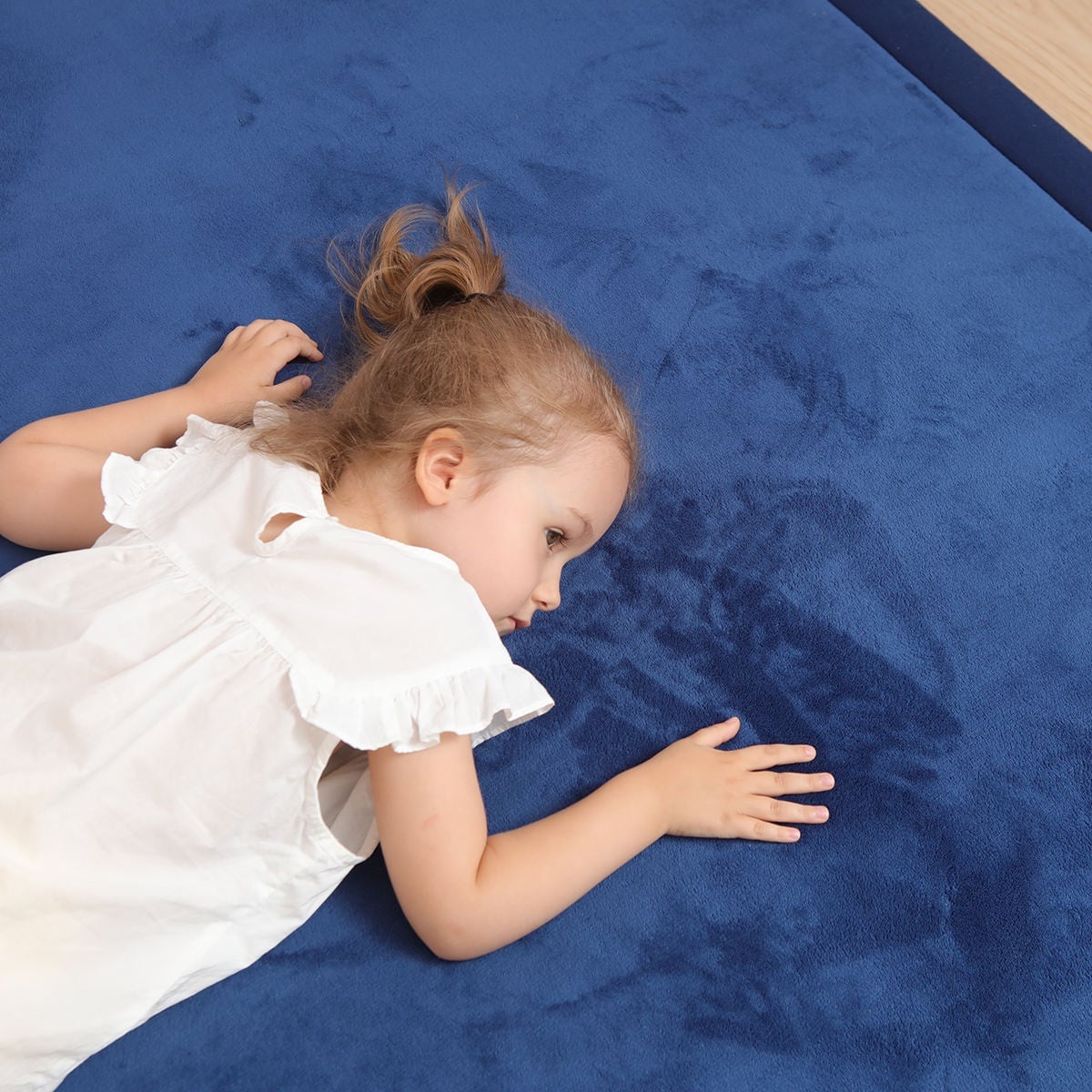
The comfort of play mats for babies depends on multiple interconnected factors working together. Understanding these features helps you select a mat that genuinely supports your baby's comfort, health, and development rather than settling for a product based on price alone. This guide examines the specific characteristics that separate comfortable, high-quality mats from basic alternatives.
The foundation of any comfortable play mat lies in its material composition. High-quality play mats for babies use non-toxic, closed-cell foam that provides consistent cushioning without off-gassing harmful chemicals. This foam type resists bacterial growth, mold, and mildew better than porous alternatives, maintaining hygiene and safety over extended use. Closed-cell foam also prevents liquids from soaking deep into the mat, making cleanup straightforward and preventing odor accumulation that plagues inferior mats.
The top surface of play mats for babies should feature soft, breathable materials that won't irritate sensitive skin. Many premium mats use coral velvet, cotton blends, or similar materials that provide gentle contact while allowing proper air circulation. This prevents heat buildup and sweating, which cause discomfort during extended play sessions. The surface should be smooth enough to feel pleasant against bare skin but textured sufficiently to prevent slipping when your baby begins crawling.
Comfort requires adequate thickness that balances support with mobility. Play mats for babies typically benefit from 10 to 20 millimeters of cushioning, providing sufficient shock absorption for crawling and tumbling while maintaining enough firmness to support proper spinal alignment. Thinner mats compress under body weight, reducing the protective benefits and creating uncomfortable pressure points. Conversely, excessively thick mats restrict natural movement and can create instability for babies learning to crawl and stand.
Advanced play mats for babies employ dual-density foam systems with firmer base layers and softer upper layers. This construction delivers comfort where it matters most while maintaining stability and proper support beneath. The firmer foundation prevents the mat from compressing excessively when concentrated pressure is applied, ensuring consistent support throughout the mat's lifespan. This engineering approach extends durability significantly compared to uniform-density alternatives.
Premium play mats for babies incorporate non-slip backing systems that prevent shifting and bunching during use. This safety feature proves especially critical as babies become more mobile, protecting them from tripping hazards and creating a stable play surface. Reinforced, properly finished edges prevent fraying and unraveling, eliminating choking hazards while extending the mat's serviceable life. Quality construction means your investment remains safe and functional for multiple children over many years.
Comfort extends to convenience; play mats for babies with waterproof backing protect against spills, diaper accidents, and moisture penetration. This feature maintains the mat's integrity and prevents moisture-related deterioration that creates uncomfortable, unhygienic conditions. Easy-to-clean surfaces allow quick sanitization, which becomes essential for maintaining a fresh, pleasant environment where your baby enjoys spending time. Removable, washable covers add another layer of hygiene management.
Comfortable play mats for babies balance durability with portability, allowing you to create safe play spaces throughout your home or transport them easily. Lightweight construction doesn't compromise support; rather, quality engineering achieves both properties simultaneously. The ability to roll, fold, or carry your mat means you can maintain consistent comfort standards wherever your baby needs to play, whether in the living room, bedroom, or outdoors on suitable surfaces.
The right play mats for babies provide adequate space for your child's developmental stage without overwhelming room dimensions. Smaller mats suit newborns and very young babies, while toddlers benefit from larger surfaces supporting increased mobility and more complex play activities. Adequate coverage reduces falls onto hard floors while providing room for natural movement and exploration. Choosing appropriate sizing ensures comfort isn't sacrificed for either excessive space or insufficient play area.
Most experts recommend 10 to 20 millimeters of foam thickness for optimal baby comfort. This range provides adequate cushioning for crawling and tumbling while maintaining enough firmness for proper support and stability. Thinner mats offer insufficient protection, while excessively thick versions can create instability and restrict natural movement patterns.
Yes, non-toxic materials are fundamental to safety and long-term comfort. Toxic foam releases harmful chemicals through off-gassing, creating unpleasant odors and health concerns. Non-toxic, closed-cell foam prevents these issues while resisting bacterial growth and maintaining hygiene, directly contributing to a comfortable, healthy play environment.
Surface materials directly influence skin comfort and hygiene. Soft, breathable materials like coral velvet or cotton blends prevent irritation and heat buildup while providing gentle contact with sensitive skin. Quality surface textures offer appropriate grip without being too rough, preventing discomfort during extended play sessions while supporting safe movement as babies develop mobility skills.

2026/11/02
Struggling to choose the right living room rugs? Avoid costly mistakes with expert insights on size, material, durability, style & care. Get your perfect rug.

2026/11/03
Worried about infant falls during crawling? Discover how cushioned baby play mats absorb impact, and support motor development. Get expert safety tips now.

2026/11/04
Struggling with messy spills and tummy time needs? Discover waterproof, sensory, and tummy-time-optimized play mat surface. Compare materials now.

2026/11/05
Can a kids play mat reduce noise? Discover how thickness, foam density & full coverage deliver real acoustic relief. Get the guide.

2026/11/06
Why do kids slip on tile, laminate & polished wood? Discover how premium non-slip play mats anchor securely AND absorb impact. Boost safety.

2026/11/09
Tired of scrubbing stains and battling odors? Discover the 5 key kids play mat features—waterproof surfaces, washable covers, non-slip grip. See what makes maintenance effortless.

