 EN

What Should Buyers Know Before Ordering Living Room Rugs?
2026/11/02
Struggling to choose the right living room rugs? Avoid costly mistakes with expert insights on size, material, durability, style & care. Get your perfect rug.
Parents want their babies to have safe, comfortable spaces for play and rest, and a quality playpen mat plays a critical role in that equation. A well-designed playpen mat combines multiple protective features with comfort elements that support healthy development while giving parents peace of mind. Understanding what distinguishes a premium playpen mat from a basic one helps you make an informed choice for your child's safety and well-being.
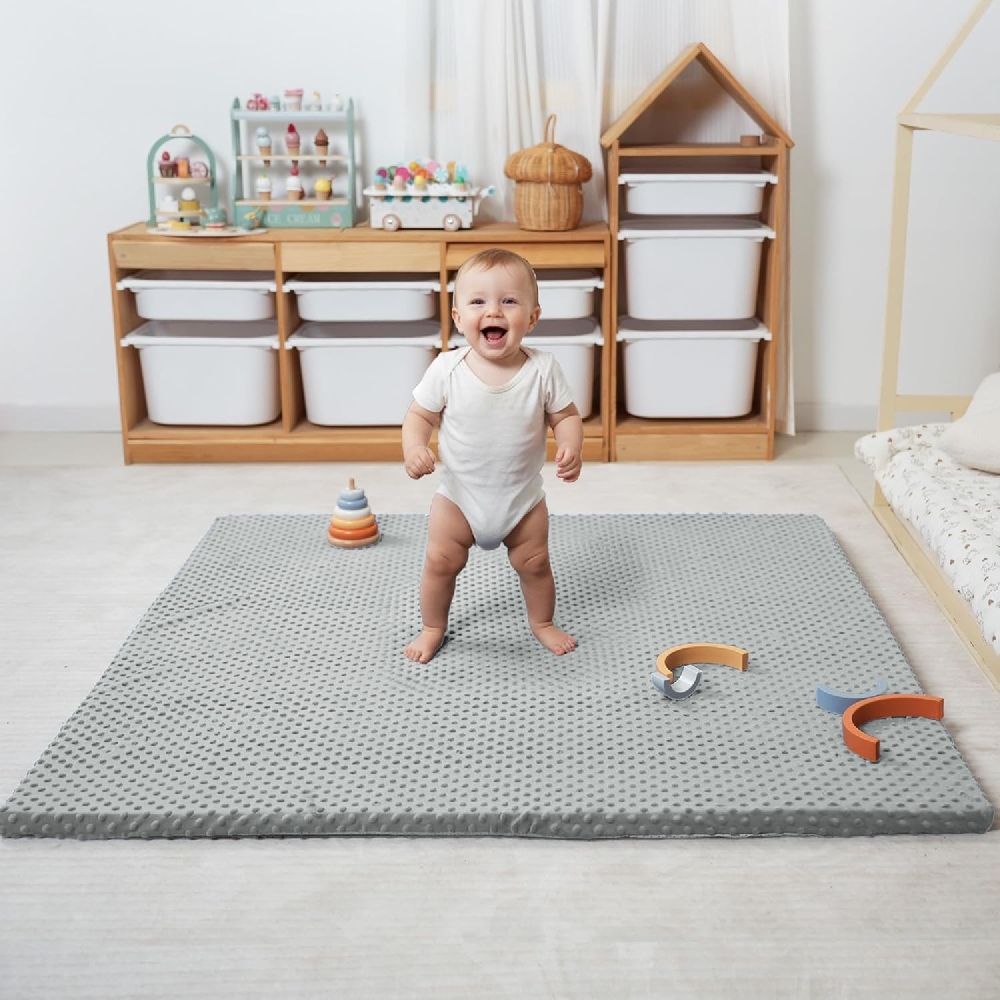
Choosing the right playpen mat requires knowledge of cushioning technology, material safety, washability, and structural integrity. Each of these elements contributes to a playpen mat that truly protects and comforts your baby during daily play, naps, and tummy time sessions.
The foundation of any protective playpen mat lies in its cushioning layer. High-quality foam materials, typically ranging from 0.75 to 1.5 inches thick, provide adequate shock absorption for falls and impacts without feeling too soft or unstable underfoot. A playpen mat with proper foam density maintains its shape over time, preventing the flattening that compromises both comfort and protective capacity. Multi-layer foam construction—combining different densities—creates a playpen mat that feels soft on the surface while providing firm structural support underneath.
Beyond internal cushioning, the top layer of a playpen mat determines how pleasant the experience feels for your baby. Premium playpen mat options feature soft, plush fabrics like minky dot or crystal velvet that are gentle against delicate skin. These surface materials on a quality playpen mat offer warmth, reduce static electricity, and create an inviting texture that encourages extended play. The combination of supportive foam and luxurious fabric transforms a basic playpen mat into an environment where babies want to spend time comfortably.
Safety-conscious parents prioritize playpen mat products made from non-toxic, certified materials free from harmful chemicals like BPA, phthalates, and formaldehyde. A trustworthy playpen mat meets or exceeds international safety standards such as CPSIA and OEKO-TEX certification. The foam core should be food-grade and hypoallergenic to minimize risks for babies with sensitive skin or allergies. Choosing a playpen mat with transparent material certifications gives you confidence that every component has been tested and validated for infant safety.
A practical playpen mat must handle frequent cleaning without degrading in quality or safety. Removable, machine-washable covers on a premium playpen mat simplify hygiene maintenance and extend the product's lifespan significantly. The ability to wash your playpen mat at home eliminates the need for expensive dry cleaning and allows quick turnaround when spills, accidents, or illness requires sanitization. Waterproof backing on a playpen mat prevents liquids from seeping into the foam core, which could cause mold growth or material breakdown over time.
Structural integrity directly impacts how well a playpen mat protects your baby. Strong seams, reinforced edges, and high-quality stitching prevent the playpen mat from separating or fraying during regular use. Double-stitched seams and bound edges on a durable playpen mat withstand the pulling, tugging, and movement that babies naturally generate. Tightly constructed corners prevent tripping hazards and ensure the playpen mat stays flat and secure within the playpen frame.
A playpen mat with a non-slip base prevents shifting and sliding that could create safety concerns or discomfort for your baby. Rubberized or textured undersides keep the playpen mat anchored in place even on smooth flooring. Despite its protective weight and cushioning, a quality playpen mat should remain light enough for easy transport between rooms or when traveling. Portability features like storage bags or rolled designs make a playpen mat convenient for parents managing multiple spaces in their home or moving between locations regularly.
A playpen mat should typically be between 0.75 and 1.5 inches thick to balance cushioning comfort with structural support. Thinner playpen mat options may feel less comfortable and provide inadequate impact protection, while excessively thick versions can create instability and are harder to fit within standard playpen frames. The ideal playpen mat thickness depends on your baby's age and developmental stage, with thicker options often preferred for younger infants who spend more time on the mat.
Regular washing maintains hygiene and extends your playpen mat's lifespan. A playpen mat should be spot-cleaned after visible spills or accidents and given a deeper wash every two to four weeks depending on usage frequency and your baby's habits. For families dealing with illness, frequent accidents, or babies who drool extensively, washing your playpen mat more frequently ensures a fresh, sanitary environment. Always follow the manufacturer's care instructions to preserve the quality and protective properties of your playpen mat.
Yes, a properly cushioned playpen mat significantly reduces injury risk from falls and impacts by absorbing shock energy that would otherwise transfer directly to your baby's body. The foam core of a quality playpen mat is specifically engineered to protect against bumps and tumbles that occur naturally during play. While a playpen mat cannot eliminate all injury risk, it substantially reduces the severity of potential injuries and provides essential protection during the critical developmental stages when babies are learning to sit, crawl, and stand.

2026/11/02
Struggling to choose the right living room rugs? Avoid costly mistakes with expert insights on size, material, durability, style & care. Get your perfect rug.

2026/11/03
Worried about infant falls during crawling? Discover how cushioned baby play mats absorb impact, and support motor development. Get expert safety tips now.

2026/11/04
Struggling with messy spills and tummy time needs? Discover waterproof, sensory, and tummy-time-optimized play mat surface. Compare materials now.

2026/11/05
Can a kids play mat reduce noise? Discover how thickness, foam density & full coverage deliver real acoustic relief. Get the guide.

2026/11/06
Why do kids slip on tile, laminate & polished wood? Discover how premium non-slip play mats anchor securely AND absorb impact. Boost safety.

2026/11/09
Tired of scrubbing stains and battling odors? Discover the 5 key kids play mat features—waterproof surfaces, washable covers, non-slip grip. See what makes maintenance effortless.

