 EN

What Should Buyers Know Before Ordering Living Room Rugs?
2026/11/02
Struggling to choose the right living room rugs? Avoid costly mistakes with expert insights on size, material, durability, style & care. Get your perfect rug.
A weighted eye mask has become increasingly popular among individuals seeking to improve their sleep quality and relaxation routines. Unlike standard eye masks that simply block light, a weighted eye mask combines gentle pressure with darkness to create a therapeutic experience. Understanding the features that contribute to comfort is essential when selecting the right eye mask for your personal sleep environment and needs.
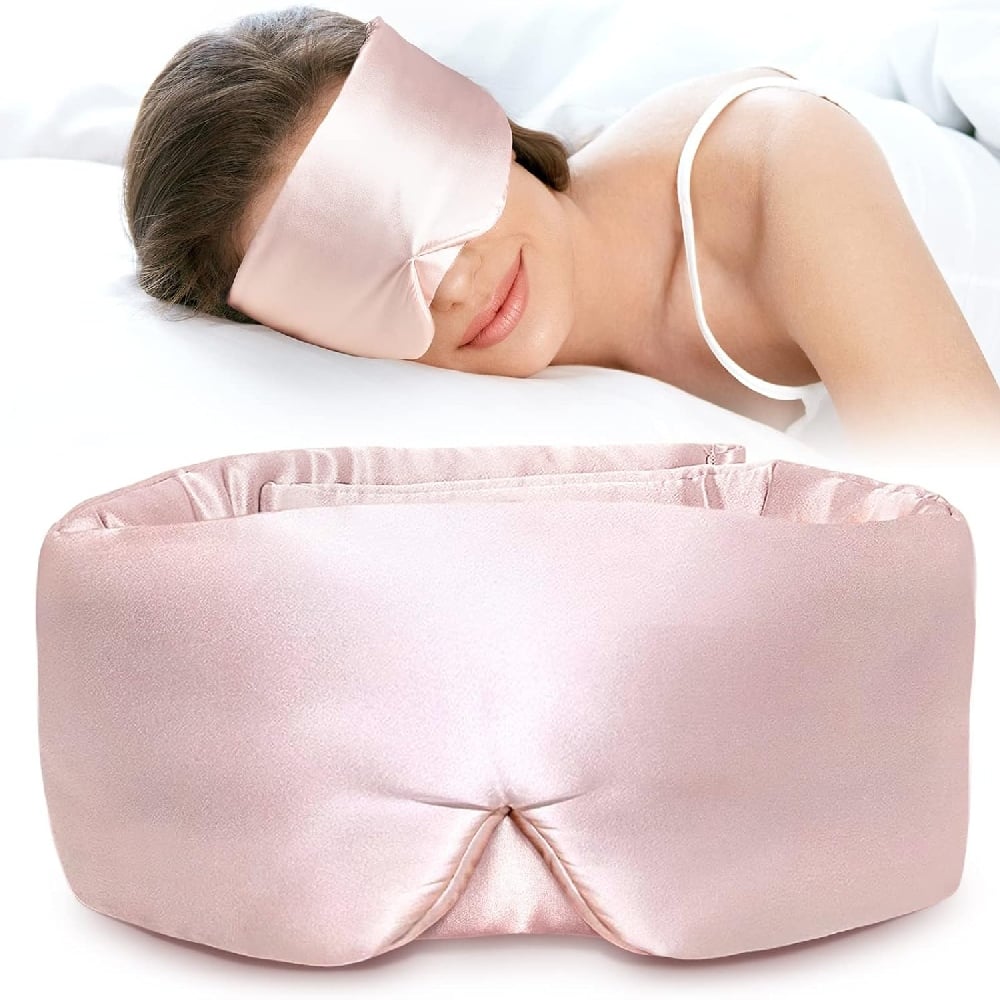
The comfort level of a weighted eye mask depends on multiple interconnected factors, from material composition to weight calibration and fit design. A truly comfortable weighted eye mask should feel supportive without causing pressure points, allow proper air circulation around the eyes, and maintain consistent contact throughout the night. The combination of these features directly influences how well users can relax, fall asleep faster, and maintain deeper sleep cycles.
The outer fabric of a weighted eye mask plays a crucial role in overall comfort and wearability. Premium materials like silk or bamboo silk offer superior softness compared to standard cotton, reducing friction against delicate eye-area skin. These natural fibers breathe better, preventing moisture buildup and heat retention that can cause discomfort during extended wear. When evaluating a weighted eye mask, checking the fabric composition helps determine how the mask will feel against your skin throughout an entire night of sleep.
The internal structure of a weighted eye mask significantly affects both comfort and therapeutic benefit. High-quality weighted eye masks typically use glass beads or other premium fill materials that distribute weight evenly without creating lumps or pressure concentrations. The padding layer between the fill and your skin should be thick enough to cushion the weight while remaining thin enough to conform naturally to facial contours. Proper padding prevents the mask from feeling heavy or uncomfortable, transforming the weight into a gentle, soothing pressure that promotes relaxation.
A well-designed weighted eye mask distributes its weight strategically across the eye area, forehead, and upper cheek regions. This balanced distribution ensures that no single point experiences excessive pressure, which would create discomfort and take away from the therapeutic benefits. The ideal weighted eye mask maintains consistent pressure throughout its contact surface, mimicking the effect of a gentle, supportive compression. Masks with uneven weight distribution often cause users to experience pressure points, headaches, or the need to readjust the mask during sleep, significantly reducing overall comfort.
The strap system determines whether a weighted eye mask stays in place without excessive tightness. A comfortable weighted eye mask features adjustable straps that allow customization for different head sizes and shapes without requiring extreme tension. Elastic or velcro-based fastening systems should provide secure fit while remaining flexible enough to accommodate movement during sleep. Straps that are too tight create pressure on the sides of the head and temples, causing tension headaches, while loose straps result in the mask shifting during the night and loss of effectiveness.
Extended wear of a weighted eye mask requires adequate air circulation to prevent heat and moisture accumulation around the eyes and face. Quality designs incorporate ventilation channels or breathable panels that maintain airflow while keeping light out. This breathability becomes especially important during warmer months or for individuals who sleep in heated environments. A comfortable weighted eye mask should feel cool against the skin and not create a stuffy sensation, which would disrupt sleep quality and cause users to remove the mask during the night.
The ability of a weighted eye mask to manage moisture contributes directly to long-term comfort and hygiene. Masks made from moisture-wicking materials pull sweat away from the skin surface, preventing the clammy feeling that disrupts sleep. Removable, washable covers make maintaining cleanliness easier, which is essential for comfortable continued use. Regular washing removes accumulated skin oils and sweat, keeping the mask fresh and preventing bacterial growth that could cause skin irritation or allergies.
A thoughtfully designed weighted eye mask includes a contoured eye cavity that provides space for the eyes without applying direct pressure to the eyeballs. This ergonomic feature is critical for comfort, as direct pressure on the eyes causes discomfort and defeats the mask's therapeutic purpose. The contour should follow natural facial anatomy, allowing the weighted eye mask to rest gently on the eye area without requiring any eye pressure to maintain its position. Proper contouring also helps achieve better light blockage while maintaining comfort throughout the night.
Different individuals have different preferences regarding how much weight they find comfortable. A quality weighted eye mask manufacturer offers appropriate weight options, typically ranging from one to three pounds for eye masks. Heavier does not automatically mean better; the ideal weight varies based on personal sensitivity, face size, and therapeutic goals. Users should choose a weighted eye mask with weight calibrated for their specific needs rather than assuming maximum weight provides maximum benefit, as excessive weight can cause discomfort and defeat the relaxation purpose.
Most users can safely wear a weighted eye mask for eight hours or longer, though individual tolerance varies. Starting with shorter durations of two to three hours and gradually increasing wear time allows your body to adjust to the gentle pressure. If you experience any discomfort, headaches, or pressure point sensitivity, reduce the wearing duration and ensure your weighted eye mask fits properly without excessive tightness.
The optimal weight for a weighted eye mask typically ranges from one to three pounds, with most people finding one to two pounds most comfortable for nightly use. Lighter weights suit individuals new to weighted eye masks or those with sensitive skin, while some prefer slightly heavier versions after acclimation. Start with a lighter weighted eye mask and adjust upward only if comfortable, as personal preference and facial anatomy significantly influence the ideal weight for your specific needs.
An uncomfortable weighted eye mask will likely disrupt rather than improve sleep quality, regardless of its therapeutic design. Comfort is foundational to the therapeutic benefits of a weighted eye mask, as physical discomfort triggers stress responses that counteract relaxation. Prioritize comfort features like breathable fabric, proper weight distribution, and secure yet gentle strapping to ensure your weighted eye mask actually enhances sleep rather than causing frustration throughout the night.

2026/11/02
Struggling to choose the right living room rugs? Avoid costly mistakes with expert insights on size, material, durability, style & care. Get your perfect rug.

2026/11/03
Worried about infant falls during crawling? Discover how cushioned baby play mats absorb impact, and support motor development. Get expert safety tips now.

2026/11/04
Struggling with messy spills and tummy time needs? Discover waterproof, sensory, and tummy-time-optimized play mat surface. Compare materials now.

2026/11/05
Can a kids play mat reduce noise? Discover how thickness, foam density & full coverage deliver real acoustic relief. Get the guide.

2026/11/06
Why do kids slip on tile, laminate & polished wood? Discover how premium non-slip play mats anchor securely AND absorb impact. Boost safety.

2026/11/09
Tired of scrubbing stains and battling odors? Discover the 5 key kids play mat features—waterproof surfaces, washable covers, non-slip grip. See what makes maintenance effortless.

