 EN

What Should Buyers Know Before Ordering Living Room Rugs?
2026/11/02
Struggling to choose the right living room rugs? Avoid costly mistakes with expert insights on size, material, durability, style & care. Get your perfect rug.
A quality foam mat serves as the foundation for comfort and safety in play areas, fitness studios, and home environments. Whether you're selecting a foam mat for children's play or exercise purposes, understanding what makes one comfortable and long-lasting is essential to making the right investment. The difference between a foam mat that lasts for years and one that deteriorates within months often comes down to specific material characteristics, construction methods, and design choices that distinguish premium options from lower-quality alternatives.
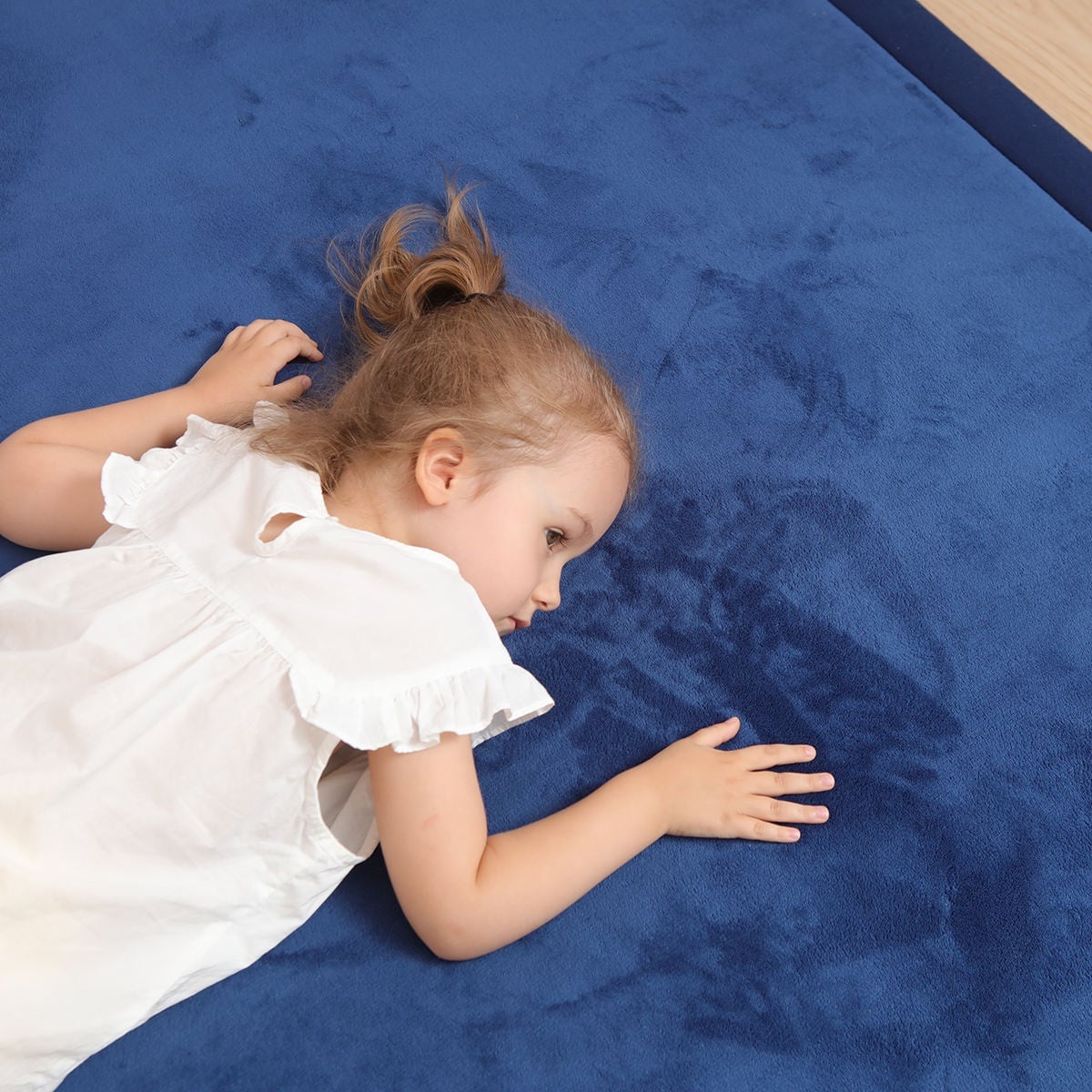
Choosing the right foam mat requires examining multiple dimensions of product quality and performance. A comfortable and durable foam mat balances material composition, structural integrity, and protective properties to deliver consistent performance over extended use. This guide explores the essential factors that determine whether a foam mat will provide genuine comfort and withstand daily wear.
The density of foam directly influences both comfort and longevity. Higher-density foam provides superior support and maintains its shape through repeated use, whereas low-density foam compresses easily and fails to recover properly. A high-quality foam mat typically uses foam with density between 20 to 40 kg/m³, striking an optimal balance between softness and structural resilience. This density range ensures the foam mat absorbs impact effectively while resisting permanent deformation from regular contact and movement.
The surface layer of a foam mat directly affects user comfort and safety. Coral velvet, microfiber, and other premium fabric surfaces provide soft tactile experiences while protecting the foam core from direct contact and environmental exposure. A durable foam mat incorporates surface materials that resist pilling, fading, and wear. These materials should also feature skin-friendly properties, particularly for products designed for children, ensuring the foam mat remains safe during extended contact with bare skin.
Thickness determines how effectively a foam mat distributes force and protects underlying surfaces. Play mats typically benefit from thicker foam mat constructions, ranging from 1 to 2 inches, providing adequate cushioning for active children while maintaining stability. A foam mat designed for exercise or yoga may require different thickness specifications depending on intended use. Adequate thickness prevents the foam mat from bottoming out during impacts, which would eliminate the protective benefits and create discomfort for users.
Premium foam mat products often feature layered construction combining materials with different properties. A resilient base layer supports the foam mat's structural integrity, while an intermediate foam layer provides primary cushioning, and the top surface layer delivers comfort and protection. This multi-layered design ensures the foam mat maintains consistent performance over years of use. The layering approach distributes stress more effectively, preventing the foam mat from degrading unevenly and extending its functional lifespan significantly.
The durability of a foam mat depends significantly on how edges and seams are constructed. Reinforced edges prevent the foam mat from fraying or separating during extended use, while strong seams maintain structural cohesion as the foam mat flexes and moves. Quality manufacturing processes use appropriate bonding agents and stitching techniques that withstand repeated folding, movement, and environmental exposure. A durable foam mat exhibits secure, well-finished edges that resist unraveling even after years of active use.
Environmental exposure challenges foam mat longevity significantly. A quality foam mat incorporates moisture-resistant properties that prevent water absorption, mold growth, and material degradation. The surface material should resist staining and allow easy cleaning without compromising the foam mat's integrity. Products designed for high-moisture environments benefit from additional protective treatments that enhance the foam mat's ability to withstand wet conditions. Easy maintenance extends the foam mat's lifespan, as users can regularly clean and care for the product without causing damage.
For children's play areas, a foam mat thickness between 1 and 2 inches provides optimal protection and comfort. This thickness range offers sufficient cushioning to prevent injuries from falls while remaining stable enough for safe movement and play. A foam mat within this thickness range balances portability with protective performance, making it ideal for both home and portable use situations.
Examine the foam mat's density rating, surface material quality, and edge construction before purchasing. Higher foam mat density, premium surface materials, and reinforced seams indicate superior durability. Check product specifications for foam mat thickness, layered construction details, and manufacturer warranties. A reputable foam mat includes clear documentation about material composition, density, and expected performance characteristics.
Yes, a quality foam mat designed with moisture-resistant surface materials can be cleaned with mild soap and water. The foam mat should dry quickly without retaining moisture or developing odors. Avoid harsh chemicals or machine washing that could compromise the foam mat's integrity. Regular maintenance and proper drying techniques help preserve a foam mat's appearance and functionality throughout its lifespan.

2026/11/02
Struggling to choose the right living room rugs? Avoid costly mistakes with expert insights on size, material, durability, style & care. Get your perfect rug.

2026/11/03
Worried about infant falls during crawling? Discover how cushioned baby play mats absorb impact, and support motor development. Get expert safety tips now.

2026/11/04
Struggling with messy spills and tummy time needs? Discover waterproof, sensory, and tummy-time-optimized play mat surface. Compare materials now.

2026/11/05
Can a kids play mat reduce noise? Discover how thickness, foam density & full coverage deliver real acoustic relief. Get the guide.

2026/11/06
Why do kids slip on tile, laminate & polished wood? Discover how premium non-slip play mats anchor securely AND absorb impact. Boost safety.

2026/11/09
Tired of scrubbing stains and battling odors? Discover the 5 key kids play mat features—waterproof surfaces, washable covers, non-slip grip. See what makes maintenance effortless.

