 EN

What Should Buyers Know Before Ordering Living Room Rugs?
2026/11/02
Struggling to choose the right living room rugs? Avoid costly mistakes with expert insights on size, material, durability, style & care. Get your perfect rug.
Choosing the right tummy time mat involves understanding which materials protect your baby's sensitive skin and support healthy development. Parents often worry about chemical exposure, durability, and comfort when selecting gear for their infants. The foundation of a safe tummy time experience starts with material selection, as babies spend considerable time in direct contact with these surfaces during critical developmental phases.
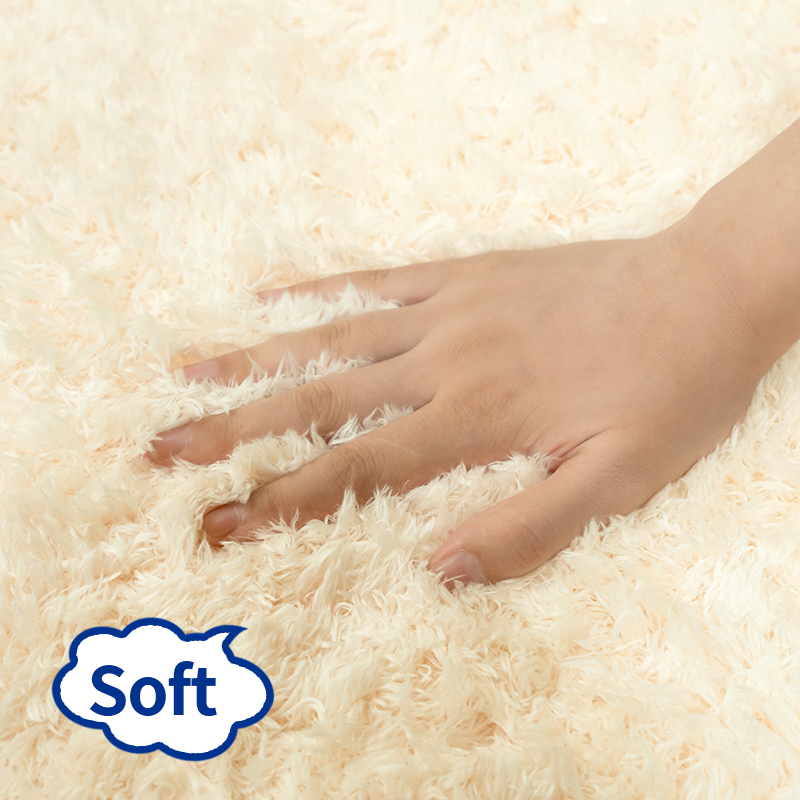
A quality tummy time mat combines softness, durability, and safety features that align with infant care standards. Parents benefit from understanding fabric composition, certification requirements, and cleaning protocols. This knowledge empowers informed purchasing decisions that protect developing babies while providing the support and comfort necessary for strengthening neck, shoulder, and core muscles during supervised play sessions.
The primary surface material of your tummy time mat directly contacts your baby's face and skin during extended play periods. Premium fabrics like organic cotton, natural bamboo fiber, and certified polyester meet safety standards that minimize chemical exposure. Organic cotton grown without synthetic pesticides eliminates residual toxins that conventional cotton may retain, making it an excellent choice for sensitive infant skin. Bamboo-derived fabrics offer natural antibacterial properties while maintaining softness and breathability essential for preventing skin irritation.
When evaluating a tummy time mat, verify that fabric dyes are non-toxic and colorfast, meaning they resist fading and won't transfer onto your baby's skin. Look for materials that have undergone rigorous testing for harmful substances including heavy metals, phthalates, and formaldehyde. Certified facilities performing these tests ensure compliance with international safety regulations such as OEKO-TEX Standard 100, which guarantees the absence of harmful substances in textile production.
The cushioning layer beneath the surface fabric provides comfort and developmental support during tummy time activities. Natural latex, foam memory materials, and polyurethane represent common padding options, each with distinct safety profiles. Natural latex derived from rubber trees offers excellent cushioning and hypoallergenic benefits, though parents with latex sensitivities should note potential cross-reactivity concerns. High-density foam provides reliable support without off-gassing, while low-density alternatives may release volatile organic compounds harmful to developing respiratory systems.
A safe tummy time mat typically incorporates padding thickness between half an inch and one inch, balancing comfort with proper developmental positioning. Thicker padding can cause improper neck alignment, while minimal padding reduces comfort and support. Ensure padding materials include certifications verifying they meet Consumer Product Safety Commission standards and contain no flame retardants or toxic adhesives that could harm your infant during extended contact.
Reputable manufacturers submit their tummy time mat products to third-party laboratories for comprehensive chemical testing and safety verification. OEKO-TEX certification represents one of the most stringent textile safety standards, examining materials for over 300 potentially harmful substances. Certifications from SGS, Intertek, and other accredited testing organizations provide independent verification that products meet safety requirements and contain no prohibited chemicals.
When purchasing a tummy time mat, request documentation of safety certifications and chemical test results from the manufacturer. Products meeting these standards display certification marks prominently and provide accessible proof of compliance. Avoid materials lacking transparent certification information, as reputable producers willingly share this documentation with concerned parents. Certifications specifically addressing infant and children's products carry greater weight than generic textile certifications, since manufacturers must meet stricter standards for products contacting sensitive baby skin.
New tummy time mat materials may release volatile organic compounds, commonly called off-gassing, particularly during the first few weeks after purchase. This process occurs naturally as chemical solvents used in manufacturing evaporate from materials. Low-off-gassing materials, particularly those containing natural latex, bamboo fiber, and certified foams, minimize this concern and create healthier environments for developing infants.
Airing out your tummy time mat before initial use reduces off-gassing exposure significantly. Many parents place new mats in well-ventilated spaces for 24 to 48 hours before introducing them to their babies. Materials explicitly labeled as low-VOC or non-toxic provide additional assurance of minimal off-gassing risk. If your baby develops unexplained respiratory irritation or skin reactions shortly after introducing a new tummy time mat, discontinue use and consult your pediatrician about potential chemical sensitivity.
Maintaining your tummy time mat through proper cleaning ensures the material remains safe and hygienic throughout extended use. Machine washing in cold water with gentle detergents preserves fabric integrity while removing dirt, saliva, and skin oils accumulated during play sessions. Always verify the manufacturer's care instructions before washing, as certain fabrics require special handling to prevent degradation or potential chemical leaching from improperly used cleaning agents.
Harsh chemical cleaners, bleach, and fabric softeners can compromise material safety and introduce toxins to your baby's tummy time mat. Choosing plant-based, hypoallergenic detergents specifically formulated for baby items ensures effective cleaning without chemical residues. Air-drying your tummy time mat naturally extends its lifespan and prevents heat-related material breakdown that might compromise structural integrity or release additional compounds.
Proper storage protects your tummy time mat from moisture accumulation, mold growth, and material degradation that could create unsafe conditions. Store mats in dry, cool environments away from direct sunlight, which can fade colors and weaken certain fabric fibers over time. Humidity and moisture exposure promote bacterial and fungal growth that compromise both hygiene and material composition, potentially introducing allergens that irritate your baby's respiratory system or skin.
Regularly inspect your tummy time mat for signs of wear, discoloration, or odors indicating contamination or material breakdown. If your mat develops persistent odors despite proper cleaning, mold growth despite drying efforts, or visible deterioration affecting structural integrity, replace it promptly. Environmental factors including temperature fluctuations, chemical exposure, and moisture levels directly influence how long materials remain safe for your baby's use.
Look for OEKO-TEX Standard 100 certification, which indicates thorough testing for harmful substances, along with compliance marks from Consumer Product Safety Commission and relevant children's product safety standards. Third-party testing from accredited organizations like SGS or Intertek provides independent verification that your tummy time mat meets strict safety requirements for infant contact.
Not all synthetic materials are unsafe; certified polyester, microfiber, and polyurethane foam that meet safety standards provide reliable performance and durability. The key factor is verification through safety certifications and testing that confirms the absence of harmful chemicals. Many high-quality tummy time mat products incorporate synthetic materials alongside natural fibers for enhanced durability and performance.
Replace your tummy time mat when visible wear appears, materials show signs of degradation, persistent odors develop despite cleaning, or your baby outgrows the dimensions. With proper maintenance and storage, quality mats typically remain safe and functional for two to three years. Monitor your mat regularly for changes in material integrity or hygiene status that might compromise infant safety.

2026/11/02
Struggling to choose the right living room rugs? Avoid costly mistakes with expert insights on size, material, durability, style & care. Get your perfect rug.

2026/11/03
Worried about infant falls during crawling? Discover how cushioned baby play mats absorb impact, and support motor development. Get expert safety tips now.

2026/11/04
Struggling with messy spills and tummy time needs? Discover waterproof, sensory, and tummy-time-optimized play mat surface. Compare materials now.

2026/11/05
Can a kids play mat reduce noise? Discover how thickness, foam density & full coverage deliver real acoustic relief. Get the guide.

2026/11/06
Why do kids slip on tile, laminate & polished wood? Discover how premium non-slip play mats anchor securely AND absorb impact. Boost safety.

2026/11/09
Tired of scrubbing stains and battling odors? Discover the 5 key kids play mat features—waterproof surfaces, washable covers, non-slip grip. See what makes maintenance effortless.

