 EN

What Should Buyers Know Before Ordering Living Room Rugs?
2026/11/02
Struggling to choose the right living room rugs? Avoid costly mistakes with expert insights on size, material, durability, style & care. Get your perfect rug.
A quality memory foam mat represents far more than a simple cushioned surface. Understanding the materials that compose these mats is essential for anyone seeking to invest in long-lasting comfort and performance. The construction of a premium memory foam mat involves carefully selected components working together to provide support, durability, and responsiveness.
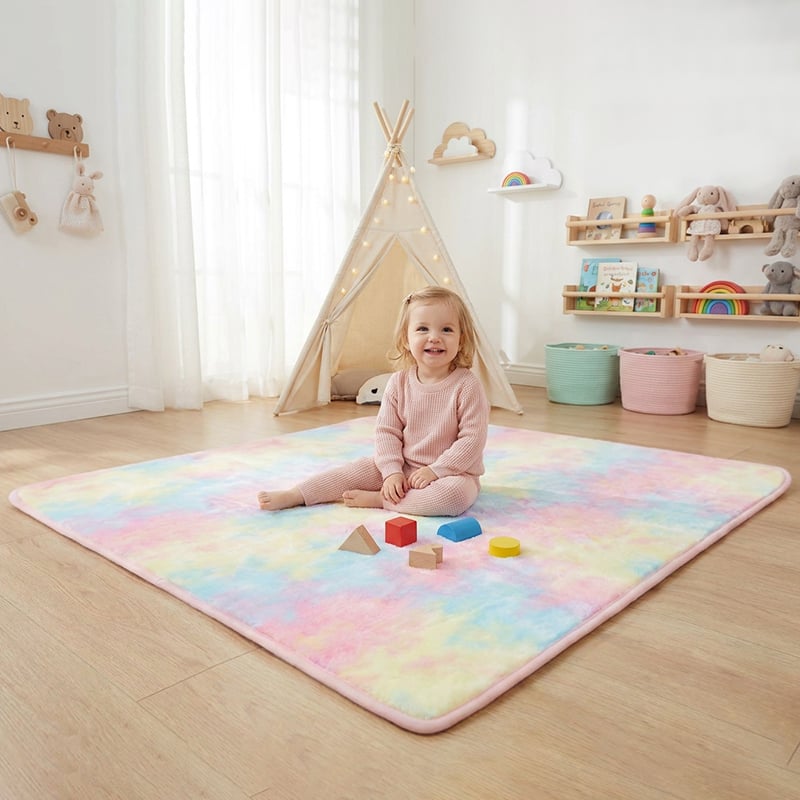
When evaluating a memory foam mat, consumers often overlook the material specifications that directly impact comfort levels, lifespan, and cost-effectiveness. The quality of foam density, the composition of the top cover, the base layer construction, and adhesive systems all determine whether a mat will deliver genuine value. This guide explores the essential materials that distinguish superior memory foam mats from mediocre alternatives.
The foam density of a memory foam mat is measured in pounds per cubic foot and directly correlates with durability and performance. High-quality mats typically feature foam densities ranging from 3 to 5 pounds per cubic foot, which provides optimal balance between responsiveness and longevity. Lower density foams compress excessively and lose their shape prematurely, while excessively dense foams may feel rigid and less comfortable during extended use.
Memory foam composition relies on polyurethane base materials infused with chemical additives that enable the temperature-responsive behavior consumers expect. These polyurethane polymers are crosslinked during manufacturing to create the viscoelastic properties that make memory foam conform to body contours. The molecular structure of quality memory foam allows it to return to its original shape gradually rather than bouncing back instantly, providing that signature slow-response feel that distinguishes this material from standard foams.
Different manufacturers blend polyurethane polymers with additives such as gel particles, graphite, or plant-based materials to enhance specific performance characteristics. Gel-infused memory foam mats offer improved temperature regulation by dispersing body heat more effectively than traditional formulations. Plant-based polyols reduce reliance on petroleum-derived materials while maintaining structural integrity, appealing to environmentally conscious consumers seeking sustainable options in their memory foam mat selection.
The cover fabric of a quality memory foam mat significantly impacts user experience, durability, and maintenance requirements. Premium covers often utilize polyester blends or specialized performance fabrics engineered for breathability, stain resistance, and long-term color retention. Knitted covers provide stretch and conform smoothly to the underlying foam, while woven structures offer enhanced tear resistance and firmness. The thread count and fiber quality determine whether the cover will pill, fade, or develop permanent impressions over months of regular use.
Microfiber covers remain popular in quality memory foam mat construction because they deliver softness, moisture-wicking properties, and exceptional durability. Cotton blends offer natural breathability and comfort, particularly for applications where temperature regulation matters significantly. Some premium mats feature moisture-resistant or waterproof outer layers, essential for children's play mats or environments prone to spills and accidents.
The way cover fabric bonds to underlying foam layers determines whether your memory foam mat will develop separation or deterioration patterns. Quality manufacturing employs adhesive systems that cure fully without off-gassing harmful chemicals, ensuring safety alongside durability. Double stitching along seams prevents unraveling and extends the mat's usable lifespan significantly, while single-stitched edges may fray within the first year of intensive use.
Beneath the primary memory foam layer lies the base structure that provides stability, prevents bottoming-out, and distributes weight evenly. High-density support foam, typically ranging from 2 to 3 pounds per cubic foot, creates a transition layer that prevents users from compressing all the way through the mat. Some quality mats incorporate high-resilience polyfoam or latex cores that resist permanent compression and extend overall product lifespan significantly compared to single-layer designs.
The base layer material must resist moisture absorption and maintain structural integrity even in damp environments. Closed-cell foam structures prevent moisture penetration more effectively than open-cell alternatives, crucial for mats used in kitchens, bathrooms, or outdoor spaces. Quality memory foam mat construction includes moisture barriers, often polyethylene films or non-woven materials, that protect internal layers from humidity and spills while maintaining breathability.
The perimeter of a memory foam mat experiences concentrated wear from foot traffic and furniture placement, making edge reinforcement critical for long-term durability. Some premium designs incorporate denser foam strips around the edges, while others use fabric binding or synthetic leather edging to prevent fraying and compression. These reinforcement materials add measurable cost but significantly extend the useful life of quality memory foam mats, particularly in commercial or high-traffic applications.
For residential use, a memory foam mat with density between 3 and 5 pounds per cubic foot offers optimal balance between comfort and durability. This density range ensures the mat will maintain its shape after years of daily use while remaining responsive and comfortable. Mats below 2.5 pounds per cubic foot tend to compress permanently, while those exceeding 5 pounds may feel too firm for comfortable everyday use.
Quality plant-based memory foam mats perform comparably to traditional petroleum-derived formulations when manufactured by reputable producers. The performance difference depends primarily on overall foam density and molecular structure rather than material origin. Many consumers find eco-friendly memory foam mat options provide equivalent comfort and durability while aligning with their sustainability values and environmental preferences.
A well-constructed memory foam mat with proper density, quality cover materials, and reinforced edges typically lasts 7 to 10 years with regular home use. Longevity depends on usage intensity, maintenance practices, and environmental conditions like humidity and temperature fluctuations. Premium memory foam mat models with superior materials and construction methods may exceed this timeframe, while budget alternatives may compress within 3 to 5 years.

2026/11/02
Struggling to choose the right living room rugs? Avoid costly mistakes with expert insights on size, material, durability, style & care. Get your perfect rug.

2026/11/03
Worried about infant falls during crawling? Discover how cushioned baby play mats absorb impact, and support motor development. Get expert safety tips now.

2026/11/04
Struggling with messy spills and tummy time needs? Discover waterproof, sensory, and tummy-time-optimized play mat surface. Compare materials now.

2026/11/05
Can a kids play mat reduce noise? Discover how thickness, foam density & full coverage deliver real acoustic relief. Get the guide.

2026/11/06
Why do kids slip on tile, laminate & polished wood? Discover how premium non-slip play mats anchor securely AND absorb impact. Boost safety.

2026/11/09
Tired of scrubbing stains and battling odors? Discover the 5 key kids play mat features—waterproof surfaces, washable covers, non-slip grip. See what makes maintenance effortless.

