 EN

What Should Buyers Know Before Ordering Living Room Rugs?
2026/11/02
Struggling to choose the right living room rugs? Avoid costly mistakes with expert insights on size, material, durability, style & care. Get your perfect rug.
When investing in custom rugs, durability becomes a critical consideration that directly impacts long-term value and performance. The materials chosen for your custom rugs will determine how well they withstand foot traffic, resist staining, maintain their appearance, and serve your space for years to come. Understanding the fiber types, construction techniques, and quality standards behind durable custom rugs empowers you to make informed decisions that align with your functional needs and aesthetic preferences.
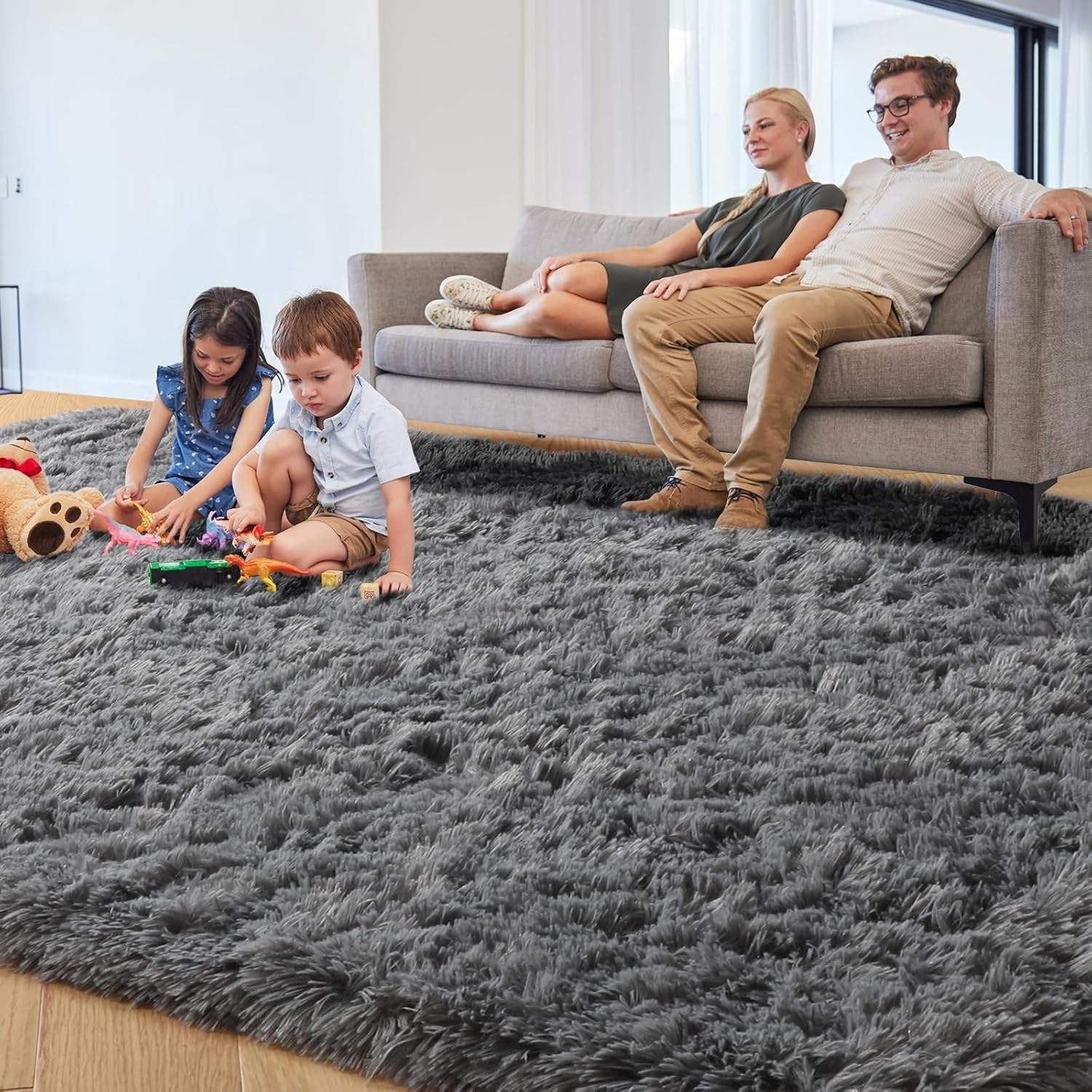
Custom rugs designed for durability combine premium fiber selection with advanced construction methods that enhance resilience and longevity. The relationship between material composition and rug performance is fundamental to creating products that maintain their structural integrity, color vibrancy, and tactile quality through years of use. This guide explores the key material factors that elevate custom rugs above standard alternatives and explores why certain fiber choices and construction approaches deliver superior durability across demanding environments.
Wool stands as one of the most durable natural fibers used in custom rugs, offering inherent resilience that bounces back from compression and maintains appearance through extended use. The crimped structure of wool fibers provides natural elasticity and volume retention, allowing custom rugs made from wool to resist matting even in high-traffic areas. Wool naturally contains lanolin, a protective oil that repels moisture and prevents rapid soil accumulation, making these custom rugs easier to maintain and cleaner over time. Blending wool with synthetic fibers in custom rugs creates an optimal balance between natural durability and cost-effectiveness, leveraging wool's performance properties while reducing overall material expenses.
Synthetic materials like polypropylene and nylon have become popular choices for custom rugs specifically because they offer exceptional stain resistance and moisture protection that natural fibers cannot match. Custom rugs made from polypropylene resist fading when exposed to sunlight, making them ideal for rooms with significant natural light or outdoor applications where UV exposure poses challenges. Nylon-based custom rugs provide superior durability in extremely high-traffic environments, with fibers that maintain structural integrity even when subject to constant pressure and movement. The practical advantages of synthetic custom rugs extend to their ease of cleaning, as most common stains can be removed without specialized treatment methods that natural fiber custom rugs sometimes require.
The construction method used to create custom rugs significantly impacts their durability and longevity in residential and commercial spaces. Tufted custom rugs, where yarn loops are inserted through a primary backing material, require a secondary backing layer that holds fibers securely in place and prevents unraveling or shedding. Hand-tufted custom rugs offer superior durability compared to machine-tufted alternatives because artisans can adjust tension and density according to specific design requirements, creating foundations that resist distortion and wear patterns. The backing material itself contributes substantially to custom rug durability; polypropylene or jute backings provide stable foundations that prevent shifting and fiber separation, while poor-quality backings may deteriorate and cause premature rug failure.
Custom rugs with higher pile density contain more yarn per square inch, which directly translates to increased durability and better resilience against traffic-induced wear. Measuring the weight of custom rugs offers practical insight into construction quality, as heavier custom rugs typically contain denser pile and sturdier backing materials that extend functional lifespan. The relationship between pile height and durability in custom rugs requires careful consideration; while taller piles create luxurious textures, lower-to-medium pile heights in custom rugs often prove more resistant to crushing and matting in active living environments. Premium custom rugs balance these factors by implementing optimal pile density that maintains appearance while providing comfort and acoustic benefits.
The quality of individual fibers used in custom rugs determines how effectively materials resist pilling, fading, and structural degradation over time. Superior custom rugs utilize higher-grade wool sourced from healthy animals and processed with care to maintain fiber integrity and prevent premature weakness. Chemical treatments applied during custom rug production, such as stain resistance applications and color-setting processes, must be carefully formulated to enhance durability without compromising fiber strength or creating harmful residues. Custom rugs from reputable manufacturers undergo quality control testing that validates fiber performance and confirms that materials meet established durability standards before reaching consumers.
Durability in custom rugs extends beyond structural integrity to include resistance against staining and soil accumulation that compromise appearance over time. Custom rugs treated with professional-grade stain protection create hydrophobic barriers that prevent liquids from penetrating fibers, allowing spills to be cleaned before permanent damage occurs. The combination of fiber type, pile construction, and chemical treatment determines how effectively custom rugs repel everyday soils like dust, pet accidents, and food particles. Investing in custom rugs featuring multi-layer protection systems ensures longer intervals between professional cleanings and maintains aesthetic appeal throughout the product lifespan.
Wool, wool blends, and high-quality synthetic fibers like nylon and polypropylene create the most durable custom rugs. Wool naturally resists matting and soil accumulation, while synthetics excel at stain resistance and UV protection. The choice depends on your specific environment and maintenance preferences, but all three material categories deliver superior longevity compared to lower-grade alternatives. Custom rugs combining these materials often provide optimal performance for demanding spaces.
Higher pile density in custom rugs means more yarn per square inch, which directly enhances durability and resilience against traffic wear. Custom rugs with greater pile density resist crushing, matting, and visible traffic patterns more effectively than lower-density alternatives. This density translates to longer functional lifespans and better maintenance of appearance in active living areas. When evaluating custom rugs, checking pile density and weight provides reliable indicators of construction quality and expected longevity.
Yes, backing material is crucial to custom rug durability because it prevents fiber separation, shifting, and premature deterioration. Quality secondary backings made from polypropylene or other stable materials hold the primary structure securely and distribute weight evenly across the foundation. Poor-quality backings in custom rugs can fail independently of fiber quality, leading to unraveling and performance decline. Professional-grade custom rugs invest in superior backing systems that match the durability of the pile itself, ensuring comprehensive longevity.

2026/11/02
Struggling to choose the right living room rugs? Avoid costly mistakes with expert insights on size, material, durability, style & care. Get your perfect rug.

2026/11/03
Worried about infant falls during crawling? Discover how cushioned baby play mats absorb impact, and support motor development. Get expert safety tips now.

2026/11/04
Struggling with messy spills and tummy time needs? Discover waterproof, sensory, and tummy-time-optimized play mat surface. Compare materials now.

2026/11/05
Can a kids play mat reduce noise? Discover how thickness, foam density & full coverage deliver real acoustic relief. Get the guide.

2026/11/06
Why do kids slip on tile, laminate & polished wood? Discover how premium non-slip play mats anchor securely AND absorb impact. Boost safety.

2026/11/09
Tired of scrubbing stains and battling odors? Discover the 5 key kids play mat features—waterproof surfaces, washable covers, non-slip grip. See what makes maintenance effortless.

