 EN

What Should Buyers Know Before Ordering Living Room Rugs?
2026/11/02
Struggling to choose the right living room rugs? Avoid costly mistakes with expert insights on size, material, durability, style & care. Get your perfect rug.
Ordering a memory foam mat represents an important investment for your space, whether for children's play areas, fitness studios, therapeutic environments, or industrial applications. Before making a purchase decision, buyers must understand the critical specifications and performance characteristics that directly impact durability, comfort, safety, and long-term value. This guide provides the essential knowledge needed to evaluate options and select the right memory foam mat for your specific use case.
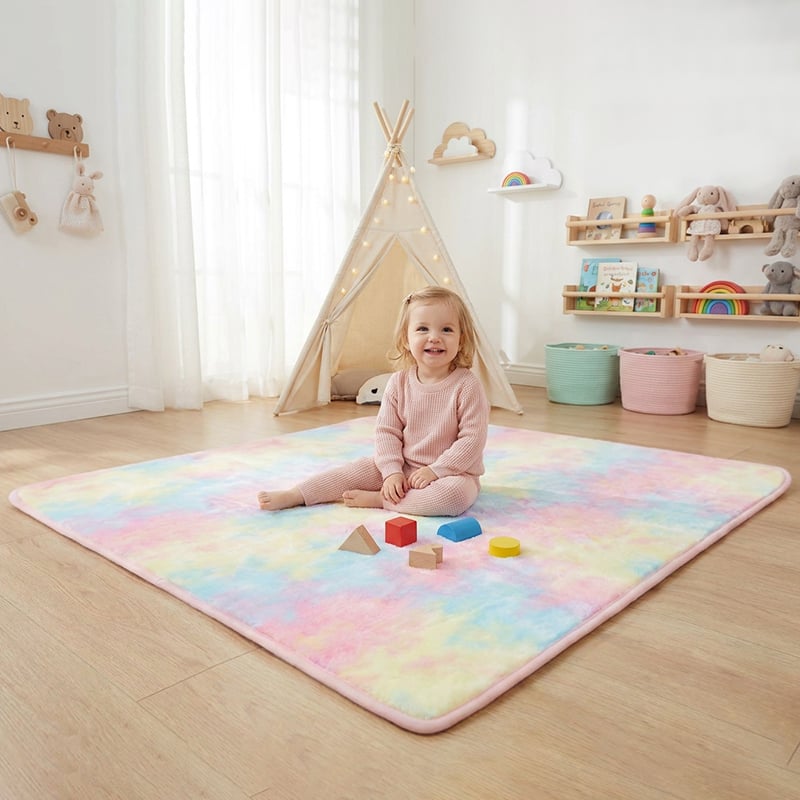
The market for memory foam mats has expanded significantly, offering a wide range of options across price points and quality levels. However, not all memory foam mats perform equally under different conditions and usage patterns. Understanding the specifications, material composition, manufacturing standards, and intended applications ensures you invest in a product that meets your expectations and delivers measurable value over time.
Thickness and density are fundamental specifications that directly influence the performance and longevity of a memory foam mat. Standard memory foam mats typically range from one inch to four inches thick, with density varying from two pounds per cubic foot to five pounds per cubic foot or higher. Thicker mats generally provide better cushioning and support, while higher density materials offer greater durability and resistance to wear. When evaluating a memory foam mat, consider your specific application: children's play areas may require different thickness than fitness studios or therapeutic settings.
Density plays a crucial role in how quickly a memory foam mat recovers after compression. Higher-density memory foam mats return to their original shape more consistently, maintaining performance over extended periods. Lower-density options are more affordable but may compress over time, reducing support and comfort. For commercial or high-traffic environments, selecting a memory foam mat with density above three pounds per cubic foot ensures better resilience and extends the product lifespan significantly.
The quality of raw materials used in manufacturing directly affects how a memory foam mat performs and whether it meets safety and environmental standards. Premium memory foam mats are typically made from polyurethane-based formulations that provide superior responsiveness and durability. Look for memory foam mat products carrying certifications such as CertiPUR-US, which verifies the absence of harmful chemicals and ensures compliance with environmental and safety regulations.
Beyond the foam itself, examine the base layer and cover materials. A quality memory foam mat should have a durable backing or base layer that prevents slipping and protects the foam from moisture and debris. The cover should be easy to clean, resistant to staining, and constructed from materials that withstand regular use without deteriorating. Understanding these material layers helps you assess whether a memory foam mat represents good value and will perform reliably in your intended environment.
Compression resistance determines how long a memory foam mat maintains its supportive properties under repeated use and weight stress. High-quality memory foam mats engineered with advanced formulations resist permanent deformation better than standard options. Testing reports often indicate compression set values, which measure how much a memory foam mat fails to recover after sustained pressure. Lower compression set percentages indicate a memory foam mat will maintain its shape and performance characteristics longer.
The lifespan of a memory foam mat depends heavily on usage intensity, environmental conditions, and maintenance practices. Commercial-grade memory foam mats designed for fitness studios, daycare centers, or therapeutic facilities typically incorporate advanced materials that withstand thousands of hours of use. Understanding the expected lifespan and compression behavior helps you project total cost of ownership and plan replacement schedules accordingly. Always inquire about durability testing data before selecting a memory foam mat for high-demand applications.
Environmental conditions such as humidity, temperature fluctuations, and sun exposure significantly impact memory foam mat performance and deterioration rates. Memory foam mats exposed to excessive moisture may develop mold, odors, or structural degradation over time. Selecting a memory foam mat with moisture-resistant properties and proper ventilation becomes critical in humid climates or damp environments. Regular cleaning schedules and appropriate storage practices extend the lifespan of any memory foam mat substantially.
Before ordering, verify the maintenance requirements and environmental limits specified by the manufacturer. Some memory foam mat products require specific cleaning methods to prevent damage or material breakdown. Understanding these requirements upfront prevents costly mistakes and ensures your memory foam mat remains hygienic and functional. Ask suppliers for detailed care instructions, warranty coverage related to environmental damage, and recommended storage conditions when not in use.
Safety considerations must guide your decision when ordering a memory foam mat, particularly for environments involving children, elderly individuals, or medical applications. Reputable memory foam mat manufacturers provide documentation confirming compliance with relevant safety standards, including flame retardancy, non-toxicity, and structural integrity requirements. Products meeting CPSIA standards, ASTM specifications, or similar regulatory frameworks demonstrate commitment to consumer safety and quality assurance.
Chemical safety is especially important when purchasing a memory foam mat for enclosed spaces where off-gassing could affect air quality. High-quality memory foam mats with low-VOC formulations minimize harmful emissions and reduce health risks. Request safety certifications, material safety data sheets, and third-party testing results before finalizing your purchase. This diligence ensures your memory foam mat meets legal requirements and protects users from potential health hazards.
Different applications demand specific characteristics from a memory foam mat. Children's play areas require non-toxic, impact-absorbing mats with antimicrobial properties and high washability. Fitness studios need memory foam mats with excellent grip, noise reduction, and resilience for repeated impact. Medical facilities require antimicrobial memory foam mat options that support therapeutic positioning and patient comfort. Evaluating your exact use case determines which memory foam mat specifications matter most for your investment.
Before ordering, communicate your intended application and environmental conditions to suppliers or manufacturers. They can recommend appropriate memory foam mat options specifically engineered for your scenario. This consultation process prevents purchasing mismatches and ensures the memory foam mat delivers performance and value aligned with your expectations and operational needs.
The ideal thickness depends on your application. For children's play areas and general cushioning, two to three inches of memory foam mat thickness typically provides adequate support and comfort. Fitness facilities and therapeutic environments often benefit from thicker mats ranging from three to four inches. Consider the surface underneath your memory foam mat as well; harder surfaces may require thicker cushioning to prevent bottoming out and discomfort.
Quality indicators include CertiPUR-US certification, higher density ratings, low compression set values, and reputable brand backing with warranty coverage. High-quality memory foam mat products show detailed specification sheets, include safety testing documentation, and come with clear care instructions. Read customer reviews specifically mentioning durability and performance over time, as real-world usage data reveals how well a memory foam mat maintains its properties under actual conditions.
Most standard memory foam mat products are designed for indoor use and may deteriorate when exposed to direct sunlight, rain, and temperature extremes. Some specialty memory foam mat options feature weather-resistant coverings and UV-protective formulations suitable for outdoor environments. Always check the manufacturer's specifications and recommendations before placing a memory foam mat outdoors, as exposure to harsh conditions typically voids warranties and accelerates material breakdown.

2026/11/02
Struggling to choose the right living room rugs? Avoid costly mistakes with expert insights on size, material, durability, style & care. Get your perfect rug.

2026/11/03
Worried about infant falls during crawling? Discover how cushioned baby play mats absorb impact, and support motor development. Get expert safety tips now.

2026/11/04
Struggling with messy spills and tummy time needs? Discover waterproof, sensory, and tummy-time-optimized play mat surface. Compare materials now.

2026/11/05
Can a kids play mat reduce noise? Discover how thickness, foam density & full coverage deliver real acoustic relief. Get the guide.

2026/11/06
Why do kids slip on tile, laminate & polished wood? Discover how premium non-slip play mats anchor securely AND absorb impact. Boost safety.

2026/11/09
Tired of scrubbing stains and battling odors? Discover the 5 key kids play mat features—waterproof surfaces, washable covers, non-slip grip. See what makes maintenance effortless.

