 EN

What Should Buyers Know Before Ordering Living Room Rugs?
2026/11/02
Struggling to choose the right living room rugs? Avoid costly mistakes with expert insights on size, material, durability, style & care. Get your perfect rug.
Selecting the right play mat requires careful consideration of multiple factors that directly impact safety, durability, and usability in your home or facility. Many buyers rush through this decision, focusing only on price or appearance, without evaluating the technical specifications and material properties that determine whether a play mat will truly meet their needs. Understanding these critical factors before placing an order helps you avoid costly mistakes, returns, and safety concerns that can affect children's wellbeing.
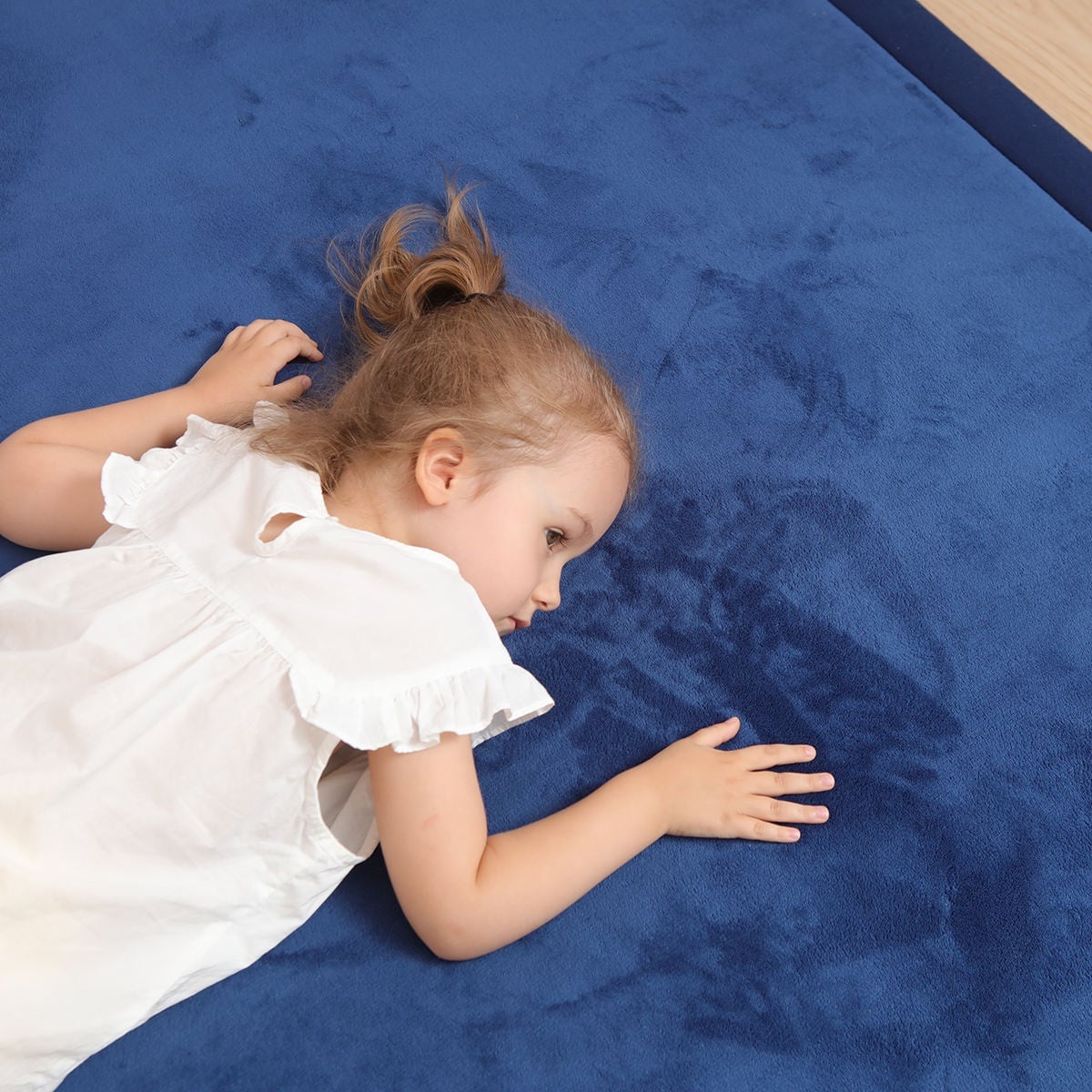
A quality play mat serves as more than just a decorative accessory—it functions as a protective barrier between active children and hard flooring, provides cushioning that reduces fall-related injuries, and creates a defined activity zone. Before ordering a play mat, buyers need to evaluate material composition, structural integrity, size appropriateness, certifications, and long-term maintenance requirements. This comprehensive guide walks through the essential considerations that separate high-quality options from substandard alternatives.
The material foundation of any play mat directly determines its safety profile, longevity, and performance characteristics. Most quality play mats use closed-cell foam, which resists moisture absorption and bacterial growth better than open-cell alternatives. Buyers should verify whether the play mat incorporates non-toxic, hypoallergenic materials certified by recognized safety organizations like CPSC or ASTM International. Some play mats feature a velvet or soft-touch cover layer that enhances comfort and aesthetic appeal while protecting the underlying foam from dirt and damage. Understanding the specific material composition helps buyers identify products that align with their safety standards and usage environment.
Before ordering a play mat, verify that the product meets or exceeds relevant safety certifications applicable in your region. A certified play mat should undergo testing for flammability, toxic substance content, and structural durability. Many reputable manufacturers provide detailed documentation showing their play mat has been tested for formaldehyde emissions, phthalates, and other potentially harmful chemicals. Asking suppliers for third-party certification reports demonstrates your commitment to purchasing a safe product and helps distinguish quality manufacturers from those cutting corners.
Play mat thickness significantly impacts shock absorption and protective capability during falls. Standard play mats typically range from 0.5 inches to 2 inches in thickness, with thicker options providing superior cushioning for active play environments. Buyers should consider the age and activity level of intended users—toddlers engaged in vigorous play benefit from thicker play mat options, while light-use settings may function adequately with thinner versions. The play mat thickness must balance adequate protection with practical considerations like storage space, weight, and portability for your specific application.
Before ordering a play mat, carefully measure your intended installation space and account for furniture placement, doorway clearance, and activity requirements. A play mat that covers too small an area leaves edges exposed where children might fall onto hard flooring, defeating its protective purpose. Conversely, an oversized play mat can create tripping hazards and consume unnecessary storage space. Consider whether you need a single contiguous play mat or multiple smaller sections that interconnect, which offers flexibility for different room configurations. Proper spatial planning before purchase prevents the frustration of receiving a play mat that does not fit your space effectively.
The surface treatment of your play mat determines how easily you can maintain it and how well it resists staining, odors, and bacterial colonization over time. Play mats with sealed or treated surfaces clean more effectively and dry faster than untreated foam options. Before ordering, inquire about the recommended cleaning methods and verify whether the play mat is compatible with standard household disinfectants or requires specialized solutions. Some play mat designs incorporate antimicrobial treatments that naturally inhibit mold and mildew growth, particularly valuable in humid environments or facilities with frequent use.
A durable play mat represents better long-term value than a cheaper alternative that deteriorates after months of use. Examine the quality of seams, edge binding, and surface stitching before ordering, as these details indicate manufacturing precision and longevity. Many quality manufacturers provide warranty coverage on their play mat products, offering peace of mind if the material fails prematurely due to manufacturing defects. Consider your expected usage intensity and timeframe—a play mat for occasional light play requires different specifications than one for high-traffic childcare facilities with continuous daily use.
For nursery environments with young toddlers, a play mat thickness of 1.5 to 2 inches provides optimal shock absorption during frequent falls and tumbling activities. Thicker play mat options create a more comfortable surface for extended play sessions and better protect developing bodies from impact injuries.
Most quality play mats can be spot-cleaned with a damp cloth and mild soap, while some models accommodate full washing depending on their construction and surface treatment. For a play mat in active-use environments, weekly surface cleaning and monthly deep cleaning maintain hygiene and extend the product's lifespan.
A typical living room play mat works well at 4-6 feet by 6-8 feet, which provides adequate coverage for standard activity zones without overwhelming the space. Measure your actual room dimensions and furniture layout to determine whether a single play mat or multiple connecting pieces better suits your specific needs.

2026/11/02
Struggling to choose the right living room rugs? Avoid costly mistakes with expert insights on size, material, durability, style & care. Get your perfect rug.

2026/11/03
Worried about infant falls during crawling? Discover how cushioned baby play mats absorb impact, and support motor development. Get expert safety tips now.

2026/11/04
Struggling with messy spills and tummy time needs? Discover waterproof, sensory, and tummy-time-optimized play mat surface. Compare materials now.

2026/11/05
Can a kids play mat reduce noise? Discover how thickness, foam density & full coverage deliver real acoustic relief. Get the guide.

2026/11/06
Why do kids slip on tile, laminate & polished wood? Discover how premium non-slip play mats anchor securely AND absorb impact. Boost safety.

2026/11/09
Tired of scrubbing stains and battling odors? Discover the 5 key kids play mat features—waterproof surfaces, washable covers, non-slip grip. See what makes maintenance effortless.

