 EN

What Should Buyers Know Before Ordering Living Room Rugs?
2026/11/02
Struggling to choose the right living room rugs? Avoid costly mistakes with expert insights on size, material, durability, style & care. Get your perfect rug.
Choosing the correct size for area rugs is one of the most overlooked decisions in interior design, yet it significantly impacts how a room feels and functions. Many homeowners purchase rugs based solely on color or pattern, only to discover later that the dimensions don't complement their space. Understanding proper sizing ensures that your area rugs anchor furniture, define spaces, and create visual balance throughout your home.
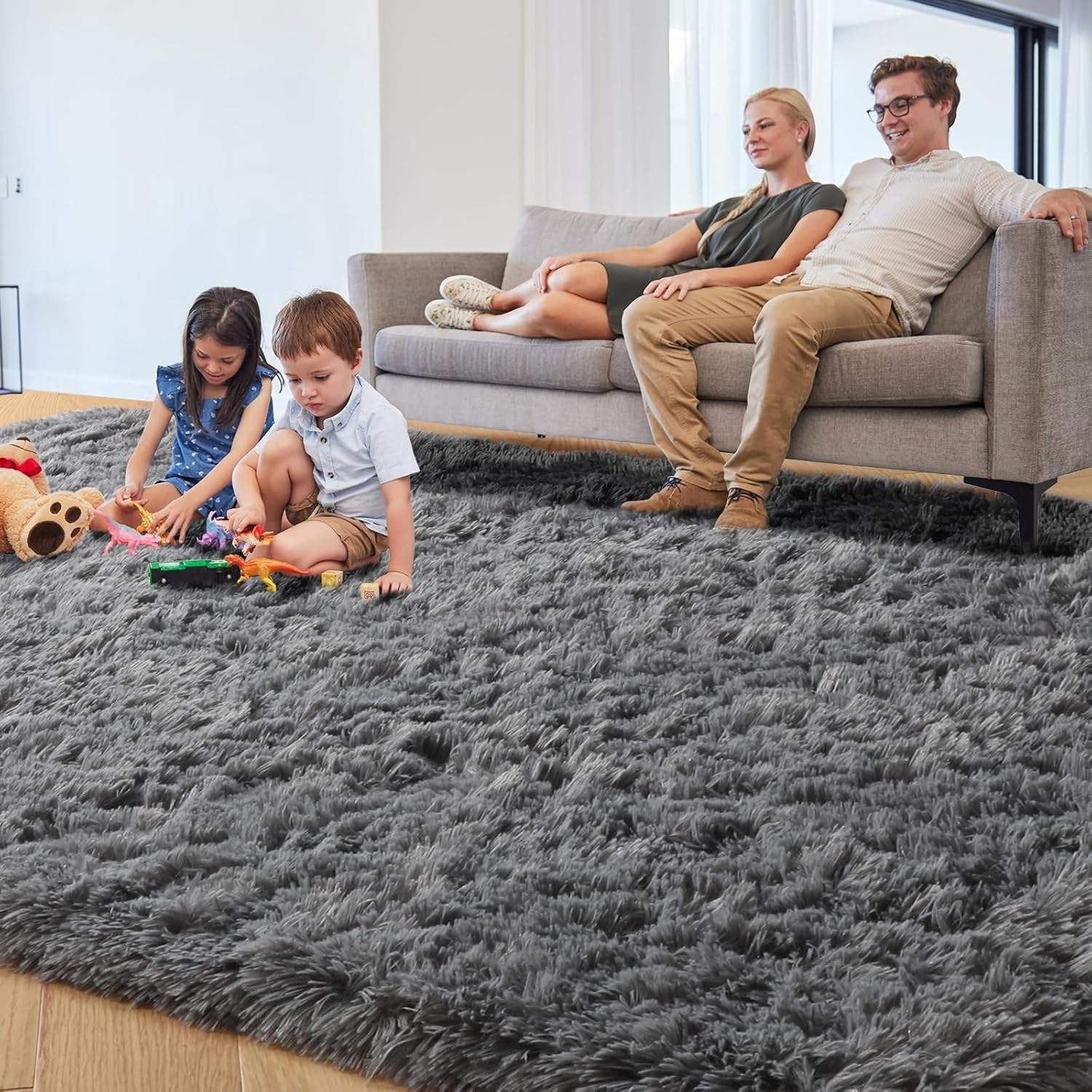
The foundation of successful rug placement lies in understanding how rug sizing works across different room types. Whether you're furnishing a cozy bedroom, spacious living room, or formal dining area, the dimensions of your area rugs should align with the room's layout and furniture arrangement. This guide breaks down the essential sizing principles that help you select area rugs that work harmoniously with your space.
Living rooms typically require larger area rugs to create a cohesive seating arrangement. For average living rooms with standard furniture, area rugs measuring 8 by 10 feet serve as the industry standard. This size allows all major furniture pieces—sofa, chairs, and coffee table—to sit partially or fully on the rug, creating a unified visual space. Smaller area rugs, such as 5 by 8 feet, work in compact living rooms where floor space is limited. In expansive open-concept spaces, consider area rugs sized 9 by 12 feet or larger to maintain proportional balance with the room's scale.
The primary furniture piece determines how much of the area rugs should extend beneath it. Position your sofa so that at least the front legs rest on the rug, creating visual anchoring. Side chairs and accent furniture should similarly have at least their front legs on the area rugs. For area rugs in living rooms, aim for at least 18 inches of rug extending beyond your furniture footprint on all sides. This creates adequate transition space between the rug edge and the room's perimeter, preventing the area rugs from appearing too small or insignificant in the space.
Bedroom area rugs serve different purposes than living room rugs, focusing on comfort and personal space rather than anchoring furniture groupings. In master bedrooms, area rugs measuring 9 by 12 feet or 10 by 14 feet work well when positioned so that the foot of the bed sits on the rug. For guest bedrooms or smaller secondary spaces, area rugs sized 5 by 8 feet or 6 by 9 feet provide sufficient coverage without overwhelming the room. The goal with bedroom area rugs is to create a soft, welcoming surface when stepping out of bed in the morning while maintaining visual continuity with the room's design scheme.
Children's rooms benefit from medium-sized area rugs that define play zones and add comfort underfoot. Area rugs measuring 5 by 8 feet or 6 by 9 feet work perfectly in most children's bedrooms, leaving adequate clearance around the perimeter for movement and furniture arrangement. When selecting area rugs for active play areas, prioritize durable, washable materials that can withstand frequent use. Positioning area rugs under toy storage, bookshelves, or a small desk creates visual zones within the room and encourages children to keep their play activities contained to specific areas.
Dining room area rugs require precise sizing to function effectively with your table and chairs. The fundamental rule is that all four chair legs must rest fully on the area rugs even when chairs are pulled out for seating. For standard rectangular dining tables seating six, area rugs measuring 8 by 10 feet work ideally. Smaller area rugs of 6 by 9 feet suit four-person dining tables or intimate kitchen nooks. Oversized area rugs measuring 9 by 12 feet accommodate eight-person tables and formal dining spaces. This ensures that whether seated or standing, diners interact with the rug as a unified design element rather than having chairs scrape against hardwood or tile.
Beyond seating, consider the visual flow created by area rugs in dining spaces. The rug should extend at least 24 inches beyond all sides of your dining table when chairs are in their relaxed position. This generous margin prevents the space from feeling cramped and allows people to walk around the dining area without their feet constantly shifting between the rug and floor. Area rugs in neutral tones or classic patterns complement various dining styles while creating a subtle boundary that distinguishes the dining zone from adjacent living spaces or kitchen areas.
Smaller area rugs excel in entryways and hallways where full-room coverage isn't necessary. Runner-style area rugs measuring 2.5 by 8 feet or 3 by 10 feet define these transitional spaces while protecting underlying flooring from foot traffic. Standard rectangular area rugs sized 3 by 5 feet or 4 by 6 feet work well in foyers and mudrooms, creating a welcoming first impression. These appropriately sized area rugs absorb moisture and dirt, extending the life of your primary flooring while adding color and texture to spaces that often get overlooked in design planning.
Home offices and open floor plans benefit from area rugs that define distinct functional zones. A 5 by 8 feet area rug positioned beneath a desk and office chair creates visual separation without completely isolating the workspace. In open floor plans combining kitchen, dining, and living areas, multiple area rugs of varying sizes establish clear boundaries between zones. Staggered sizing—perhaps a larger 8 by 10 rug in the living area paired with a smaller 5 by 8 rug in a reading nook—creates visual interest while maintaining spatial organization.
Start by measuring your room's dimensions using a tape measure, then identify your primary furniture pieces and their sizes. Sketch a basic layout showing where furniture will sit relative to walls. Measure the distance from walls to furniture edges to determine how much rug coverage you'll need. For area rugs, a good starting point is selecting a size where major furniture sits partially on the rug with 18 to 24 inches of rug extending beyond the furniture perimeter, depending on room size and layout.
Absolutely. Different rooms naturally require different area rug sizes based on their dimensions and functions. A living room might feature an 8 by 10 rug while a bedroom uses a 6 by 9, and this variation creates visual interest throughout your home. The key is ensuring that each area rug is appropriately proportioned to its individual space rather than trying to force one size to work everywhere. This approach also allows you to budget strategically, investing in larger quality area rugs for high-traffic spaces while choosing more affordable options for lower-traffic rooms.
Irregularly shaped or small rooms demand flexible thinking about area rug placement. In compact spaces, smaller area rugs measuring 3 by 5 feet or 4 by 6 feet create impact without overwhelming the room. For L-shaped living areas, consider using two complementary area rugs of different sizes to anchor separate furniture groupings. In unusually shaped rooms, positioning your area rug beneath the primary seating arrangement or under a key furniture piece establishes functional zones even if the rug doesn't cover the entire floor.

2026/11/02
Struggling to choose the right living room rugs? Avoid costly mistakes with expert insights on size, material, durability, style & care. Get your perfect rug.

2026/11/03
Worried about infant falls during crawling? Discover how cushioned baby play mats absorb impact, and support motor development. Get expert safety tips now.

2026/11/04
Struggling with messy spills and tummy time needs? Discover waterproof, sensory, and tummy-time-optimized play mat surface. Compare materials now.

2026/11/05
Can a kids play mat reduce noise? Discover how thickness, foam density & full coverage deliver real acoustic relief. Get the guide.

2026/11/06
Why do kids slip on tile, laminate & polished wood? Discover how premium non-slip play mats anchor securely AND absorb impact. Boost safety.

2026/11/09
Tired of scrubbing stains and battling odors? Discover the 5 key kids play mat features—waterproof surfaces, washable covers, non-slip grip. See what makes maintenance effortless.

