 EN

What Should Buyers Know Before Ordering Living Room Rugs?
2026/11/02
Struggling to choose the right living room rugs? Avoid costly mistakes with expert insights on size, material, durability, style & care. Get your perfect rug.
Choosing the right size foam play mat is one of the most important decisions parents make when setting up a safe play environment for their children. A foam play mat serves as a protective cushioning layer that absorbs impact, reduces noise, and creates a comfortable surface for active play. However, selecting the correct dimensions requires understanding your available space, the number of children using it, and the types of activities they'll engage in. Getting this right ensures your investment delivers maximum value while keeping your family safe and comfortable.
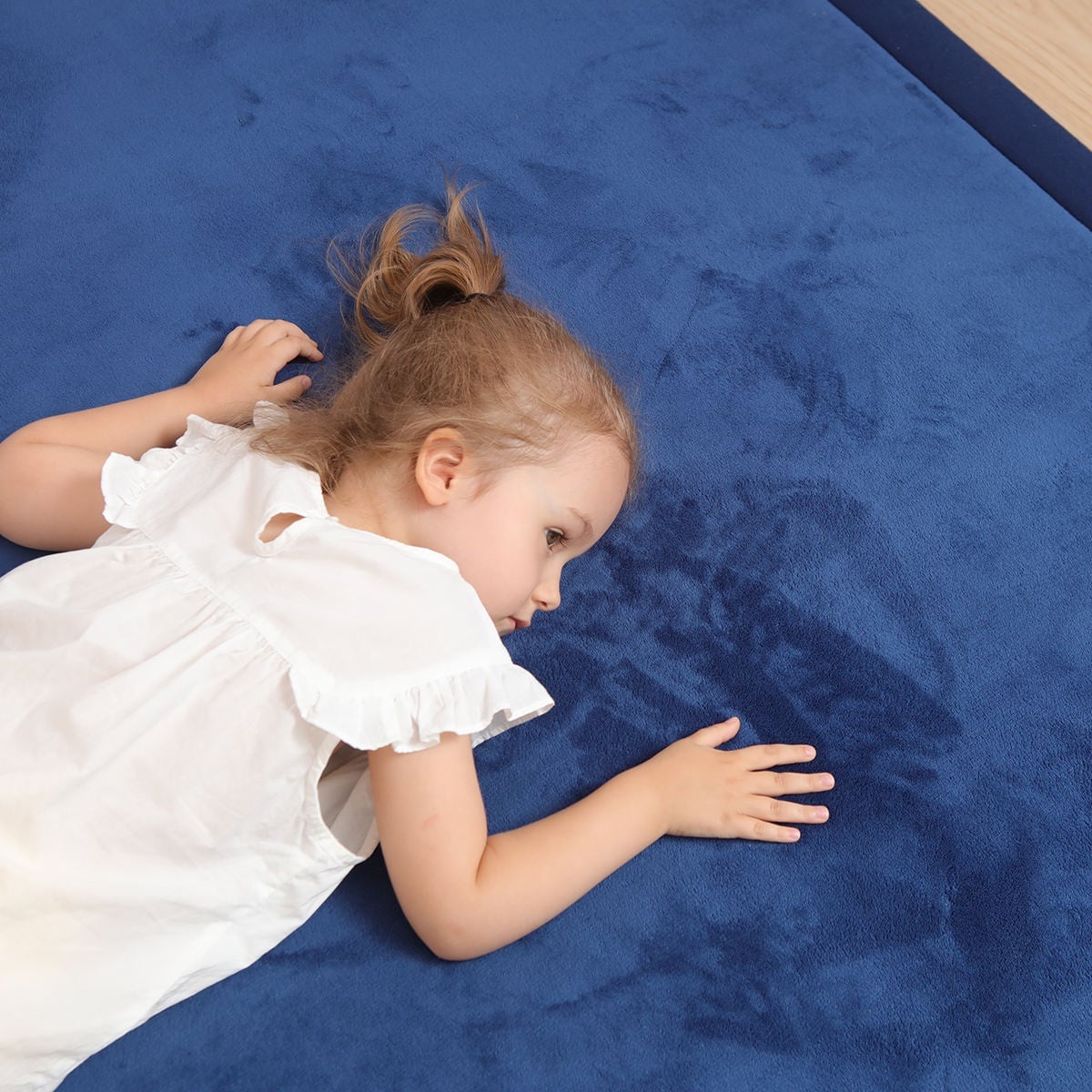
The ideal foam play mat dimensions depend on several practical factors specific to your household. Your available floor space, room layout, age range of children, and activity intensity all influence what size works best. Understanding these variables helps you avoid purchasing a mat that's either too small to be functional or oversized for your actual needs. This guide walks you through the decision-making process and provides concrete sizing recommendations for different family scenarios.
A foam play mat typically comes in several standard sizes designed to fit common room dimensions and family situations. The most popular options include small mats around 4 feet by 6 feet, medium mats ranging from 5 feet by 8 feet to 6 feet by 9 feet, and larger options extending to 8 feet by 10 feet or beyond. Each size category serves specific purposes and room configurations. When shopping for a foam play mat, understanding these standard ranges helps you quickly identify options that match your space constraints and activity needs.
The surface area of your foam play mat directly impacts how much room children have for movement and play. A smaller foam play mat works well for focused activities like reading, playing with toys, or tummy time for infants, but may feel cramped during active play like rolling, crawling, or practicing basic gymnastics movements. Larger mats provide freedom for multiple children to play simultaneously without bumping into furniture or walls. Consider the primary activities your children engage in when determining whether a standard or larger foam play mat makes sense for your family.
Before purchasing any foam play mat, take time to accurately measure your intended placement area. Use a measuring tape to determine the length and width of the space where you want to install the mat, accounting for clearance from walls, doors, and major furniture pieces. Remember that your foam play mat should allow at least 12 to 18 inches of clearance on sides where doors need to open or traffic frequently passes. This spacing prevents tripping hazards and ensures children can move safely around the mat's edges. Write down your measurements and use them as a reference when browsing available options.
Your room's traffic flow and furniture arrangement significantly impact how large your foam play mat can realistically be. If your family room connects to a kitchen or hallway where people regularly walk, a massive mat that blocks movement isn't practical regardless of how much space you theoretically have. Conversely, a dedicated playroom with minimal through-traffic can accommodate a larger foam play mat without functional issues. Sketch your room layout, mark where furniture pieces sit, and identify high-traffic zones. This visual representation helps you determine the maximum usable foam play mat size that still allows comfortable household flow.
The number of children using your foam play mat substantially influences the ideal size selection. A single toddler or infant needs significantly less space than two or three active children playing together. For one child, a medium-sized foam play mat between 4 feet by 6 feet and 5 feet by 8 feet typically provides adequate play space while fitting in most family rooms. Families with multiple children, especially those spanning different age ranges, benefit from larger dimensions like 6 feet by 9 feet or 8 feet by 10 feet. This extra space prevents sibling collisions and allows each child room for their own activities simultaneously on the same foam play mat.
The developmental stage of your children directly relates to the space they need during play. Very young infants doing floor exercises and tummy time require less space than toddlers learning to crawl, cruise, and eventually run. Preschoolers engaging in increasingly complex movement patterns and group games need more room than younger children. Similarly, children practicing basic gymnastics skills, yoga poses, or dance routines benefit from a larger foam play mat that accommodates these dynamic movements. Consider the ages of children currently using the mat and whether you anticipate the play mat serving younger siblings or cousins in coming years. A slightly larger foam play mat provides longer utility as children grow and their activity needs expand.
Beyond length and width, the thickness of your foam play mat affects both protection levels and practicality. Thicker mats, typically 0.5 to 1 inch thick, provide superior impact absorption for active play and bumps, making them ideal for energetic families. However, thicker foam play mat materials can be heavier and less portable than thinner alternatives. Some families prioritize portability and opt for thinner mats that are easier to move between rooms or store away when needed. Others prioritize maximum cushioning and accept the extra weight for better safety. Your preference depends on whether you'll move your foam play mat frequently or keep it in one permanent location, plus how active your children are during play sessions.
Most families find that 24 to 48 square feet of foam play mat coverage suits their needs well. A 4-by-6 mat provides 24 square feet, suitable for single children and confined spaces. A 6-by-8 mat offers 48 square feet, accommodating multiple children and more active play in medium-sized rooms. Families with large playrooms or expecting heavy use might consider 60 to 80 square feet, achievable through 6-by-10 or 8-by-10 foam play mat dimensions. The goal is ensuring enough surface area that children feel unrestricted during movement while the mat fits your physical space without dominating the room or blocking important pathways.
For apartments and smaller living spaces, a foam play mat in the 4-by-6 or 5-by-7 range typically provides the best balance between usable play space and room integration. These smaller dimensions fit easily in living rooms or bedrooms without overwhelming the space or blocking traffic flow. Some families in very compact apartments opt for even smaller mats around 3 feet by 4 feet for focused activities, then supplement with additional mats if needed as children grow or space becomes available.
Your foam play mat is adequately sized for active play if children can roll, crawl, and move in multiple directions without immediately reaching the edges or bumping into surrounding furniture. A practical test involves having your child or children play normally for 15 to 20 minutes and observing whether they seem confined or have sufficient freedom. If they're constantly tumbling off the sides or the mat feels cramped during their typical play patterns, consider a larger foam play mat. If there's noticeably unused space around the edges and the mat dominates your room, you may have chosen a size larger than necessary.
Yes, many families successfully connect multiple smaller foam play mat pieces to create larger custom surface areas. This modular approach allows flexibility to adjust coverage as needs change and makes storage easier when mats aren't needed. However, ensure your foam play mat pieces have compatible locking edges or connection systems, as not all designs interlock properly. Test the connection stability before allowing children to play on the combined surface to ensure there are no gaps or instability that could cause tripping.

2026/11/02
Struggling to choose the right living room rugs? Avoid costly mistakes with expert insights on size, material, durability, style & care. Get your perfect rug.

2026/11/03
Worried about infant falls during crawling? Discover how cushioned baby play mats absorb impact, and support motor development. Get expert safety tips now.

2026/11/04
Struggling with messy spills and tummy time needs? Discover waterproof, sensory, and tummy-time-optimized play mat surface. Compare materials now.

2026/11/05
Can a kids play mat reduce noise? Discover how thickness, foam density & full coverage deliver real acoustic relief. Get the guide.

2026/11/06
Why do kids slip on tile, laminate & polished wood? Discover how premium non-slip play mats anchor securely AND absorb impact. Boost safety.

2026/11/09
Tired of scrubbing stains and battling odors? Discover the 5 key kids play mat features—waterproof surfaces, washable covers, non-slip grip. See what makes maintenance effortless.

