 EN

What Should Buyers Know Before Ordering Living Room Rugs?
2026/11/02
Struggling to choose the right living room rugs? Avoid costly mistakes with expert insights on size, material, durability, style & care. Get your perfect rug.
The modern family home has evolved significantly over the past decade, and one product that has become increasingly indispensable is the play mat. Today's parents recognize that a quality play mat provides far more than just a soft surface for children to sit on. Whether you have an infant learning to crawl, a toddler exploring new motor skills, or a preschooler engaged in imaginative play, a play mat serves as a foundational piece of home infrastructure that supports child development, ensures safety, and creates designated spaces for structured learning and creativity.
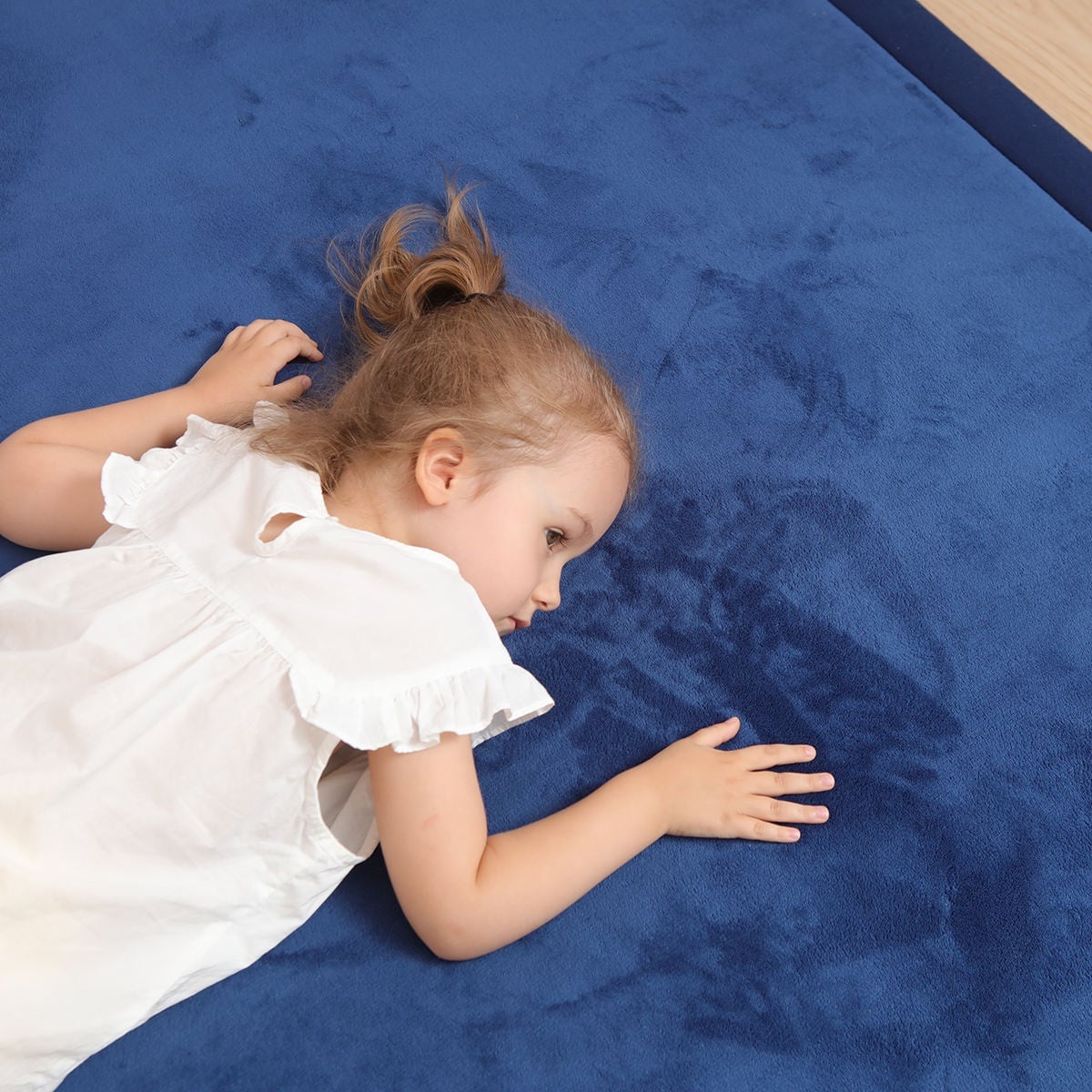
The popularity of play mats among families stems from a combination of practical, developmental, and health-related factors that align perfectly with contemporary parenting priorities. Parents are increasingly aware that investing in the right play mat can influence their child's physical development, reduce injury risks, and support early learning—all while making daily life more organized and manageable. Understanding the specific reasons behind this popularity helps families make informed purchasing decisions that truly match their household needs.
A play mat creates a controlled environment where infants and toddlers can safely practice essential motor skills. When a child uses a play mat from birth onward, they benefit from a defined space that encourages tummy time, rolling, crawling, and eventually walking. The cushioned surface of a quality play mat reduces the risk of impact injuries during these developmental milestones, allowing children to experiment with movement confidently. This structured practice environment accelerates the natural progression of motor development while parents maintain peace of mind knowing their child is protected.
Many play mats available today incorporate sensory elements, varying textures, and visual stimulation that engage a child's developing brain. A well-designed play mat can serve as a foundation for early learning through interactive features, color recognition, and tactile exploration. This multisensory engagement supports neural development during critical early childhood periods. Parents appreciate that a single play mat product can address multiple developmental domains simultaneously, making it an efficient investment in their child's cognitive growth.
One of the primary reasons families prioritize play mat products is the protective function they provide. Household floors—whether hardwood, tile, or laminate—present genuine hazards for young children learning to move independently. A play mat with adequate thickness and quality foam construction absorbs impact energy, significantly reducing the severity of falls and bumps that occur naturally during childhood play. This injury prevention benefit directly addresses parental anxiety and represents a measurable health advantage that families consistently value.
Parents increasingly recognize that a dedicated play mat creates a barrier between children and floor surfaces that may harbor dust, allergens, and pathogens. Families with allergies, asthma, or general health concerns find that a play mat product provides a cleaner play surface they can control and sanitize regularly. This hygiene factor has become especially important to modern families who understand the connection between clean play environments and reduced illness frequency among young children. The ability to wash or wipe down a play mat offers greater control over household cleanliness than relying on floor cleaning alone.
Contemporary homes increasingly feature open floor plans where living, dining, and play areas overlap. A play mat solves the challenge of defining boundaries and creating dedicated zones for children's activities without requiring structural changes or additional furniture. This organizational function appeals to parents who want to maintain household order while still allowing their children accessible play areas. A play mat product also helps contain toys and activities to a specific region, making cleanup more manageable and maintaining visual appeal in shared family spaces.
Families value play mats because they offer flexibility that permanent installations cannot match. Parents can roll up or fold a play mat to move it between rooms, take it to grandparents' homes, or transport it for travel. This portability makes play mat products ideal for modern families that don't stay confined to single locations throughout the day. The ability to create consistent, familiar play environments across multiple spaces supports child comfort and play continuity while requiring minimal setup time or installation effort.
Families can introduce a play mat from birth or shortly after. Newborns benefit from tummy time on a padded surface, and infants gain advantages as they develop rolling and crawling abilities. Starting early with a quality play mat establishes a safe play foundation that grows with the child through multiple developmental stages.
A play mat should be wiped or vacuumed weekly and deep-cleaned every two to four weeks, depending on usage frequency and household activity levels. Regular cleaning maintains hygiene and extends the life of the product. Always follow manufacturer care instructions, as different play mat materials require specific cleaning approaches.
While a play mat provides a safe designated zone, it should complement rather than replace comprehensive home childproofing. Parents still need to secure furniture, cover outlets, remove hazards, and maintain safe practices throughout the home. A play mat product represents one important layer of safety strategy within a broader childproofing approach.

2026/11/02
Struggling to choose the right living room rugs? Avoid costly mistakes with expert insights on size, material, durability, style & care. Get your perfect rug.

2026/11/03
Worried about infant falls during crawling? Discover how cushioned baby play mats absorb impact, and support motor development. Get expert safety tips now.

2026/11/04
Struggling with messy spills and tummy time needs? Discover waterproof, sensory, and tummy-time-optimized play mat surface. Compare materials now.

2026/11/05
Can a kids play mat reduce noise? Discover how thickness, foam density & full coverage deliver real acoustic relief. Get the guide.

2026/11/06
Why do kids slip on tile, laminate & polished wood? Discover how premium non-slip play mats anchor securely AND absorb impact. Boost safety.

2026/11/09
Tired of scrubbing stains and battling odors? Discover the 5 key kids play mat features—waterproof surfaces, washable covers, non-slip grip. See what makes maintenance effortless.

